



After ordering a coffee or some pizza on their smartphones, truck drivers may soon be able to use an app on their phone to pay the $13.05 Customs and Border Protection user fee for entering into the U.S. at the Peace Bridge.
 MENU
MENU SEARCH
Truck drivers may soon be able to use an app on their phone to pay the Customs and Border Protection user fee for entering into the U.S. at the Peace Bridge.

The Peace Bridge near Buffalo, N.Y. Photo via Wikipedia commons user Óðinn
After ordering a coffee or some pizza on their smartphones, truck drivers may soon be able to use an app on their phone to pay the $13.05 Customs and Border Protection user fee for entering into the U.S. at the Peace Bridge.
The move is designed to cut congestion at the popular border crossing where truck operators who do not have an annual user fee decal must fork over cold hard cash. That process, according to the US Department of Homeland Security, is taking a bit too long.
According to Homeland Security’s latest budget documents, the current manual collection process “results in increased wait times and fuel costs for carriers and loss of work hours for CBP.”
An automated system could cut processing times by as much as 6.5%, the department estimates.
The budget document claims, for example, that at the Port of Buffalo in 2015, approximately 1,700 work hours were spent performing cash collections, with each commercial truck inspection taking an average of 80 – 90 seconds per vehicle. User fee collections for 2015 in the Port of Buffalo were approximately $774,000, the document states. This equates to approximately 72,000 collections (7.6% of commercial trucks).
“Our Western New York economy relies on the efficient flow of goods and people across our international border but constrained infrastructure combined with outdated technology is choking opportunity,” said Brian Higgins, Congressman, N.Y. “This project, set for implementation in Buffalo this year, is yet another way for us to build efficiency and predictability at the border.”
Buffalo is one of three expected locations for the pilot project.

ACT Research data shows volumes hitting a four-year high and supply-demand balance strengthening, but higher oil prices are undercutting tariff relief and tempering optimism.
Read More →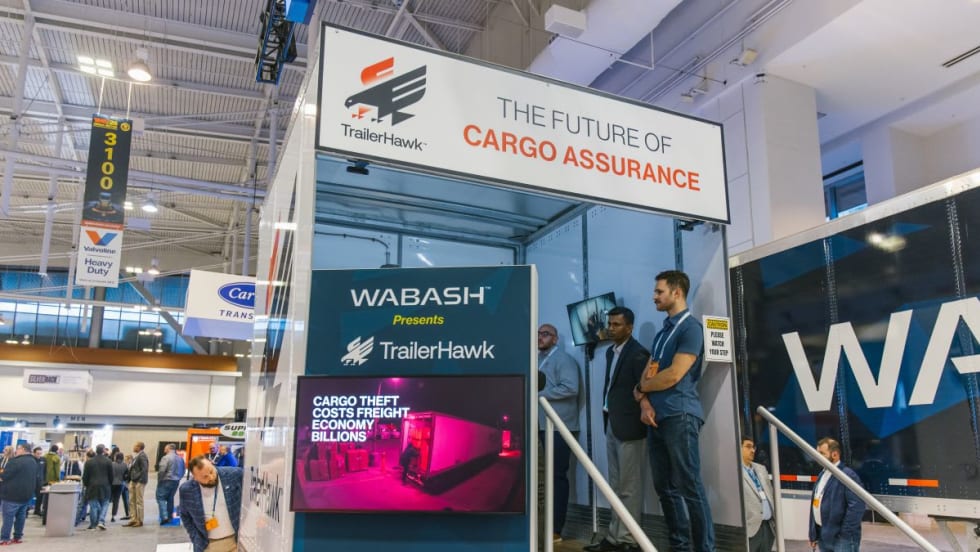
The patent-pending cargo solution integrates a digitally connected cargo door and an intelligent locking system with the TrailerHawk.AI technology platform.
Read More →
The impact of the Iran conflict extends beyond fuel costs, bringing more fraud and cybersecurity risks to the trucking industry.
Read More →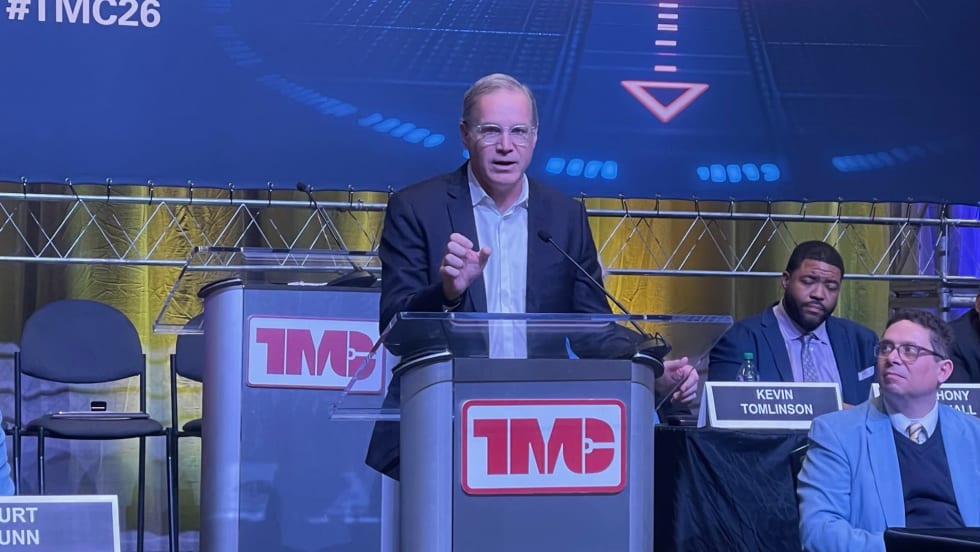
Speaking at the TMC Annual Meeting in Nashville, ATA President Chris Spear said trucking faces mounting pressure from rising fuel prices, geopolitical instability, and uncertainty around trade policy.
Read More →
More than 100,000 new trucking companies enter the industry each year, but regulators manage to audit only a fraction of them. That churn creates opportunities for inexperienced startups — and for “chameleon carriers” that shut down after safety violations and reappear under new identities. Read more from Deborah Lockridge in this commentary.
Read More →
HDTX is an intimate event that connects heavy-duty trucking fleet managers with industry suppliers through small-group discussions, educational sessions, and structured one-on-one meetings.
Read More →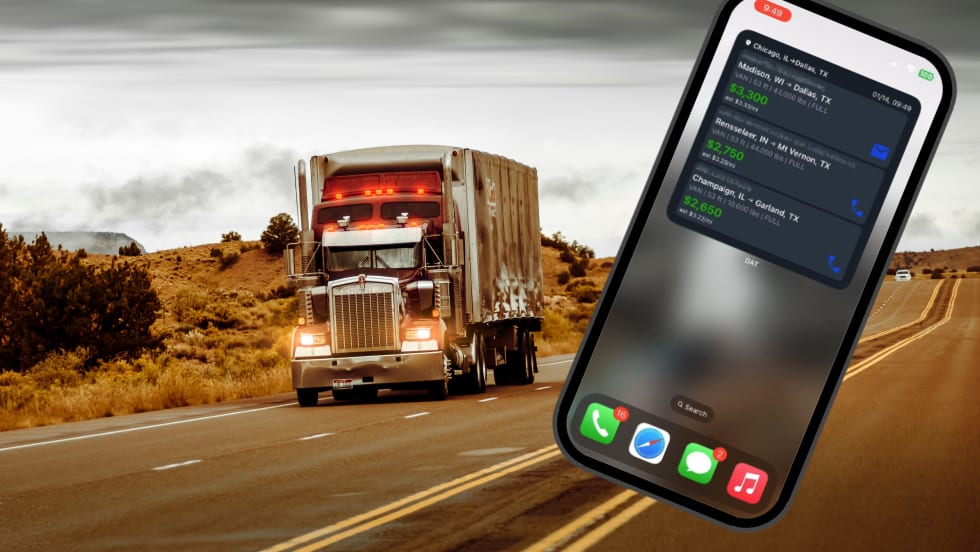
New DAT One feature shows top-paying loads directly on an iPhone’s home screen, helping carriers react faster to spot-market opportunities.
Read More →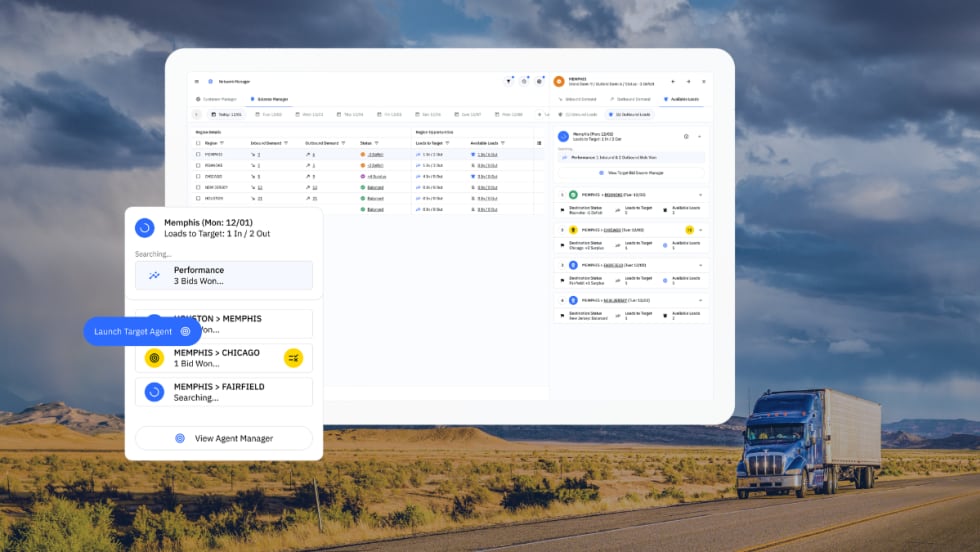
Optimal Dynamics says its new Scale platform uses AI agents and optimization to help carriers find and secure freight that improves network balance and profitability.
Read More →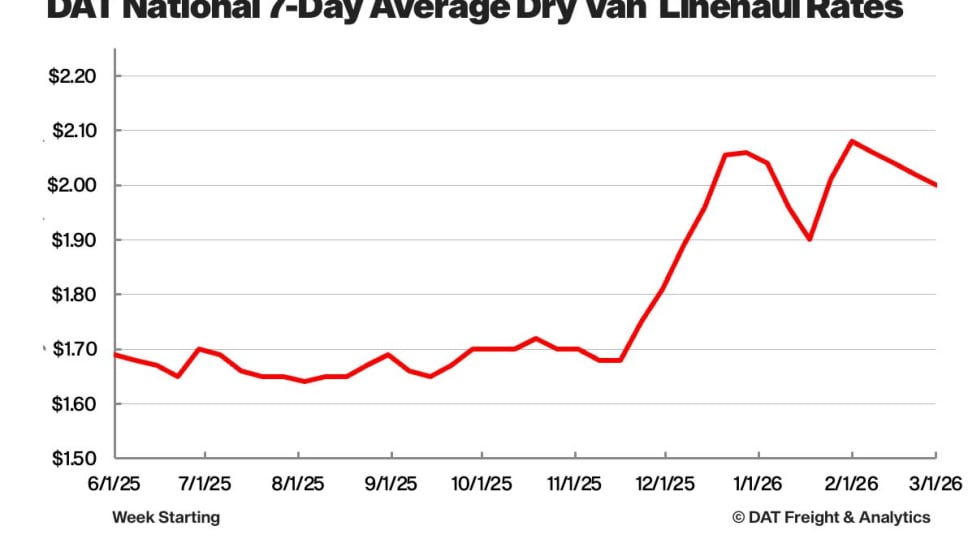
DAT Freight & Analytics data shows tightening flatbed capacity, easing produce markets, and softening van and reefer rates.
Read More →
NACFE's Run on Less - Messy Middle project demonstrates the power of data in helping to guide the future of alternative fuels and powertrains for heavy-duty trucks.
Read More →