



Bridgestone America’s tire manufacturing plant in Warren County, Tenn. earned LEED V3 recertification at the silver level from the U.S. Green Building Council.
 MENU
MENU SEARCH
Bridgestone America’s tire manufacturing plant in Warren County, Tennessee, earned LEED V3 recertification at the silver level from the U.S. Green Building Council.

Bridgestone America’s tire manufacturing plant in Warren County, Tenn. earned LEED V3 recertification at the silver level from the U.S. Green Building Council.
The plant joins only two other manufacturing projects in the world to achieve LEED certification for existing buildings. The Warren County facility first earned LEED V2 certification in 2008 and was the first tire plant globally to do so, says Bridgestone.
“The Warren County plant is leading the way for other Bridgestone facilities which are actively adopting similar sustainability efforts throughout the U.S. and abroad,” said Tim Bent, director of environmental affairs at Bridgestone America.
To achieve LEED V3 recertification, the facility had to implement many sustainable initiatives including:
Installing plumbing fixtures and potable water efficiency measures, reducing plant personnel water use by 42.7% vs. baseline
Planting water-efficient, native species landscaping, reducing irrigation water consumption by 93% vs. baseline while improving wildlife habitat
Optimizing energy efficiency, achieving a 31% more efficient operation compared to the median performance of similar Bridgestone tire manufacturing facilities
Protecting and restoring wildlife habitats; 79% of the plant site is covered by vegetation and 75% is a certified wildlife habitat area
Use of sustainable cleaning products throughout the plant, exceeding the LEED requirement by 19%
The Warren County plant was also recognized as an OSHA Voluntary Protection Program Star site for its excellent safety and health management systems and injury rates, which are below the national average for the industry.
The facility manufactures 9,000 Bridgestone and Firestone truck and bus tires daily and employs 990 people.

ACT Research data shows volumes hitting a four-year high and supply-demand balance strengthening, but higher oil prices are undercutting tariff relief and tempering optimism.
Read More →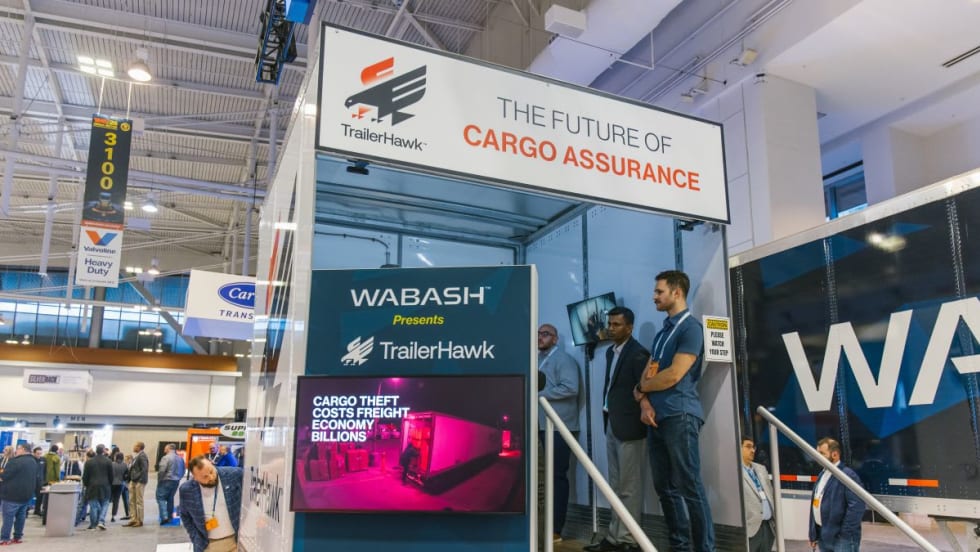
The patent-pending cargo solution integrates a digitally connected cargo door and an intelligent locking system with the TrailerHawk.AI technology platform.
Read More →
The impact of the Iran conflict extends beyond fuel costs, bringing more fraud and cybersecurity risks to the trucking industry.
Read More →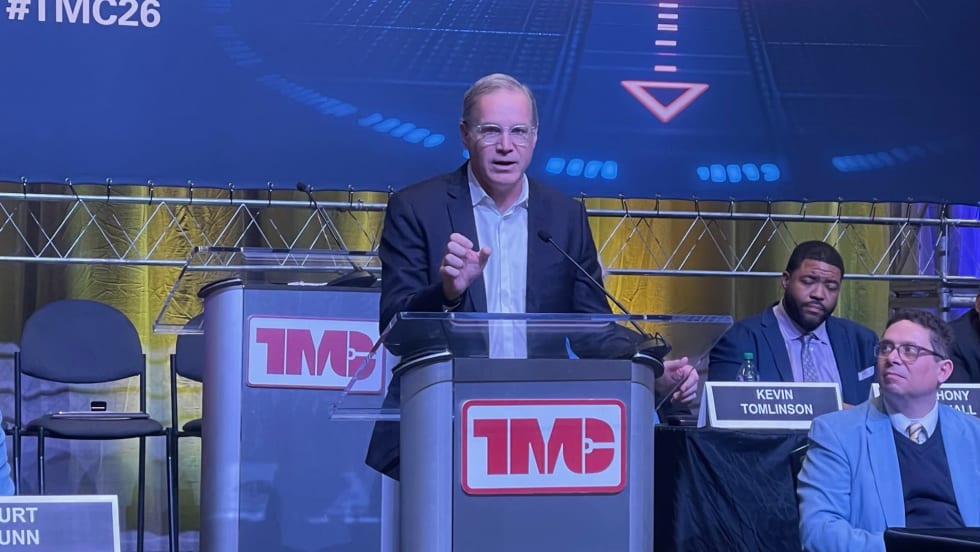
Speaking at the TMC Annual Meeting in Nashville, ATA President Chris Spear said trucking faces mounting pressure from rising fuel prices, geopolitical instability, and uncertainty around trade policy.
Read More →
More than 100,000 new trucking companies enter the industry each year, but regulators manage to audit only a fraction of them. That churn creates opportunities for inexperienced startups — and for “chameleon carriers” that shut down after safety violations and reappear under new identities. Read more from Deborah Lockridge in this commentary.
Read More →
HDTX is an intimate event that connects heavy-duty trucking fleet managers with industry suppliers through small-group discussions, educational sessions, and structured one-on-one meetings.
Read More →
New DAT One feature shows top-paying loads directly on an iPhone’s home screen, helping carriers react faster to spot-market opportunities.
Read More →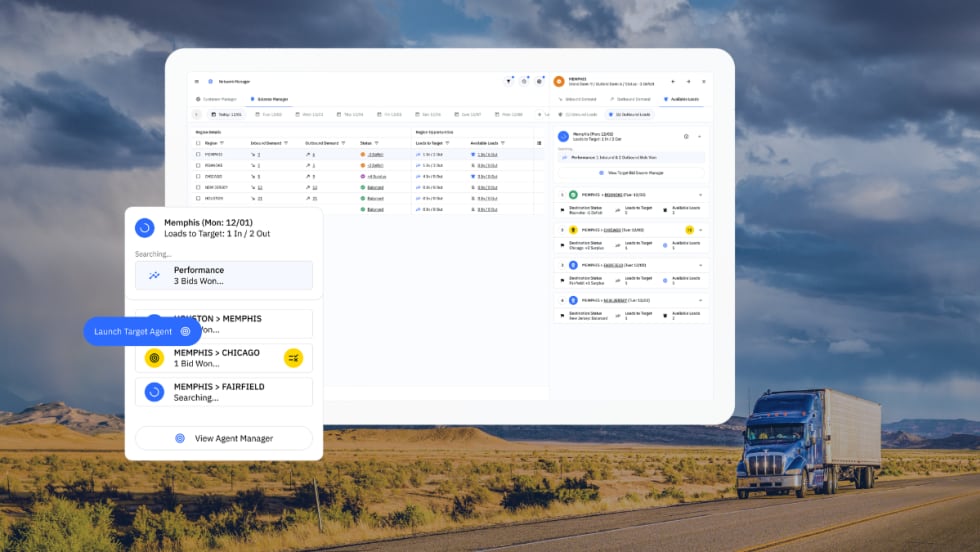
Optimal Dynamics says its new Scale platform uses AI agents and optimization to help carriers find and secure freight that improves network balance and profitability.
Read More →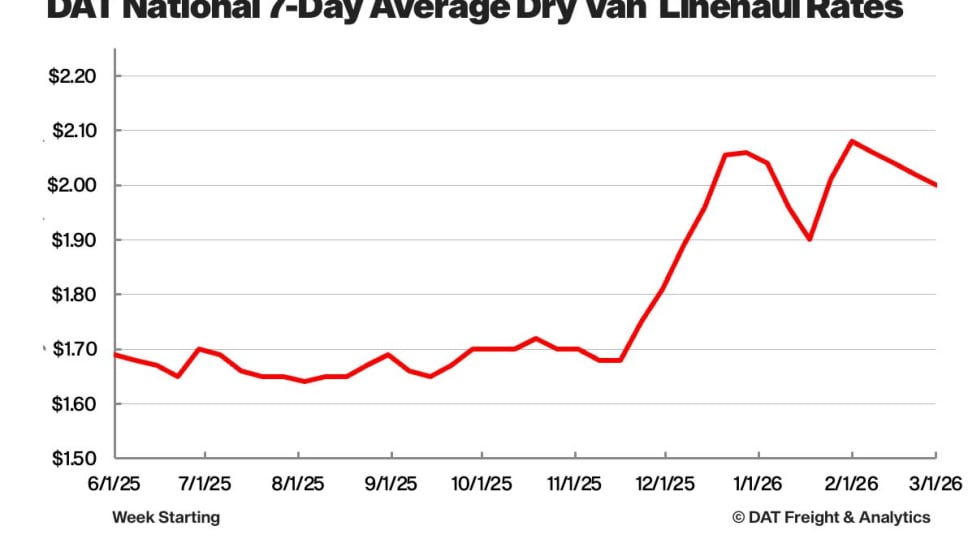
DAT Freight & Analytics data shows tightening flatbed capacity, easing produce markets, and softening van and reefer rates.
Read More →
NACFE's Run on Less - Messy Middle project demonstrates the power of data in helping to guide the future of alternative fuels and powertrains for heavy-duty trucks.
Read More →