



California has handed out 2,000 vouchers to fleets to fund hybrid and battery-electric zero-emission trucks and buses under a grant program overseen by the California Air Resources Board (CARB), the board has announced.
 MENU
MENU SEARCH
California has handed out 2,000 vouchers to fleets to fund hybrid and battery-electric zero-emission trucks and buses under a grant program overseen by the California Air Resources Board (CARB), the board has announced.
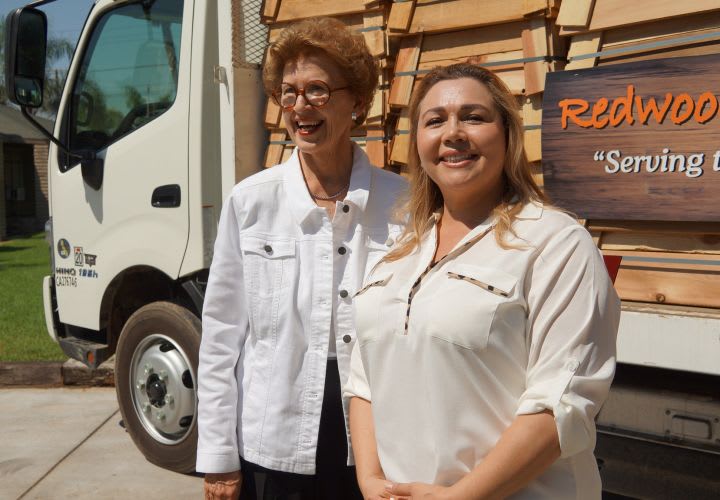
(l. to r.) CARB Member Barbara Riordan and Marcie Rodriguez of Redwood Products, Inc stand in front of hybrid delivery truck that was awarded the 2,000th heavy-duty clean vehicle voucher incentive. Photo courtesy of CARB.
California has handed out 2,000 vouchers to fleets to fund hybrid and battery-electric zero-emission trucks and buses under a grant program overseen by the California Air Resources Board (CARB), the board has announced.
The board awarded the milestone voucher under the California Hybrid and Zero-Emission Truck and Bus Voucher Incentive Project (HVIP) to Chino, Calif.-based Redwood Products, a small business that invested in a clean, low-carbon hybrid delivery truck. The $23,000 voucher awarded to the company will cover close to one-third of the price of a low-carbon Hino hybrid truck. Redwood Products provides mulch, wood chips, and other products to nurseries and the landscape industry in five western states.
Since its launch in 2010, HVIP has provided more than $63 million to help California fleets statewide purchase more than 430 zero-emission trucks and buses and 1,800 hybrid trucks and buses, according to CARB. HVIP is administered by the clean transportation consortium CALSTART.
Most of the vouchers have been awarded to small fleets. The U.S. Navy has received a small number of the vouchers, according to Melanie Turner, the board's public information officer.
The program provides vouchers of up to $95,000 for California purchasers and lessees of zero-emission trucks and buses, and up to $30,000 for eligible hybrid trucks and buses on a first-come, first-serve basis. HVIP also provides incentives of up to $110,000 for zero-emission trucks that provide benefits to disadvantaged communities, CARB added.
In June, CARB approved a $373 million funding plan to cover all investments in advanced technologies for fiscal year 2015-2016, including fleet-eligible rebates for low- and zero-emission passenger vehicles.
Click here for more information about HVIP.

ACT Research data shows volumes hitting a four-year high and supply-demand balance strengthening, but higher oil prices are undercutting tariff relief and tempering optimism.
Read More →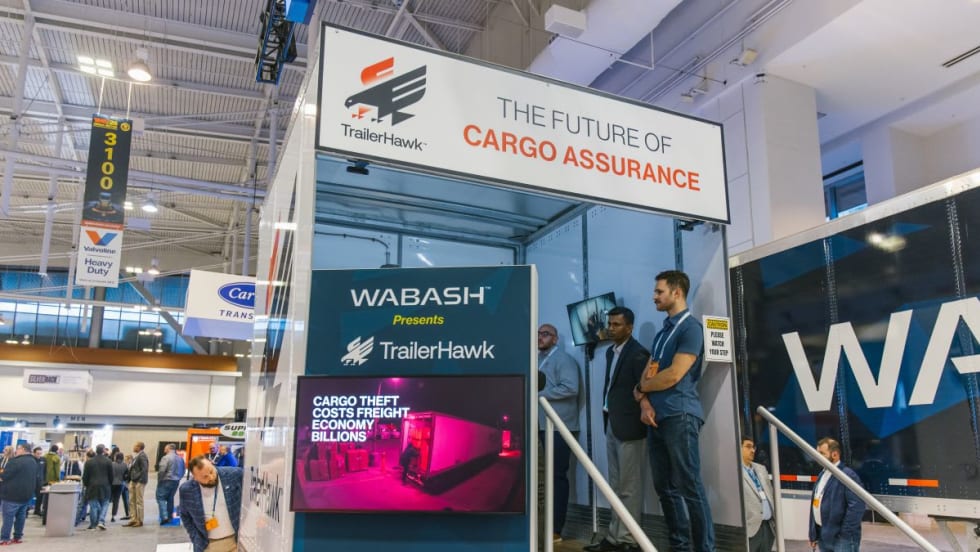
The patent-pending cargo solution integrates a digitally connected cargo door and an intelligent locking system with the TrailerHawk.AI technology platform.
Read More →
The impact of the Iran conflict extends beyond fuel costs, bringing more fraud and cybersecurity risks to the trucking industry.
Read More →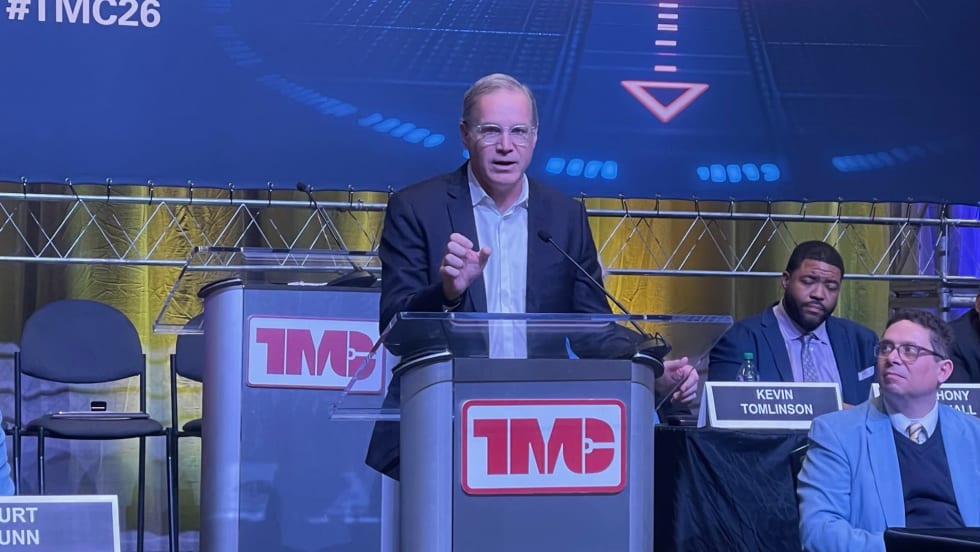
Speaking at the TMC Annual Meeting in Nashville, ATA President Chris Spear said trucking faces mounting pressure from rising fuel prices, geopolitical instability, and uncertainty around trade policy.
Read More →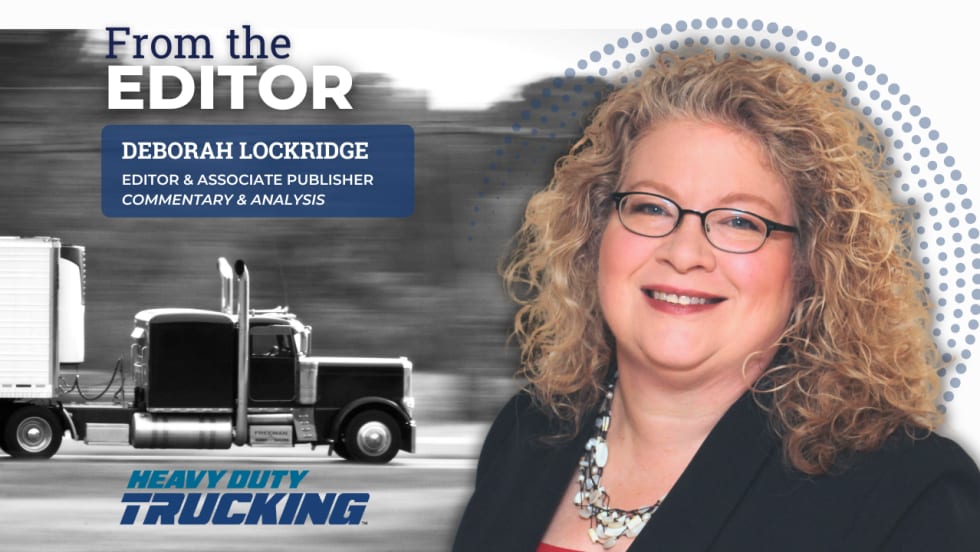
More than 100,000 new trucking companies enter the industry each year, but regulators manage to audit only a fraction of them. That churn creates opportunities for inexperienced startups — and for “chameleon carriers” that shut down after safety violations and reappear under new identities. Read more from Deborah Lockridge in this commentary.
Read More →
HDTX is an intimate event that connects heavy-duty trucking fleet managers with industry suppliers through small-group discussions, educational sessions, and structured one-on-one meetings.
Read More →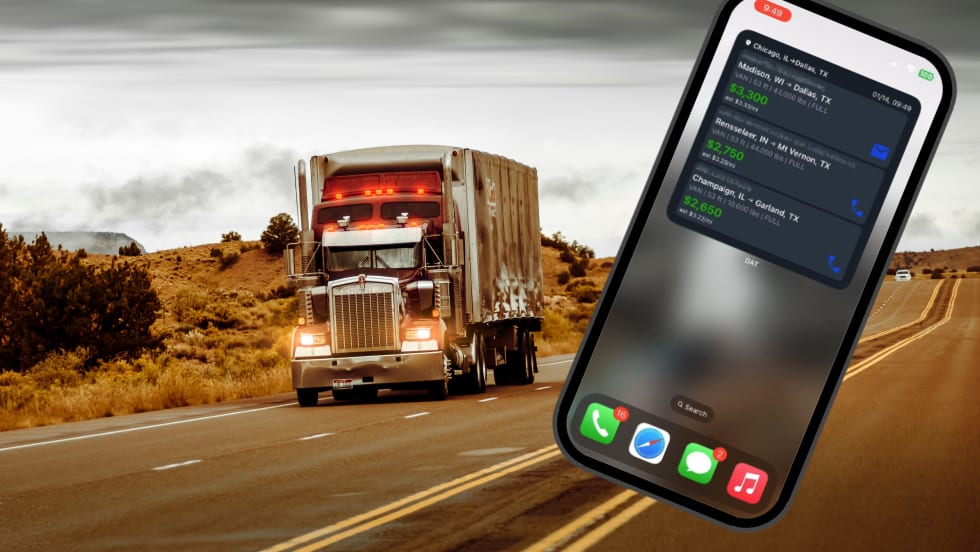
New DAT One feature shows top-paying loads directly on an iPhone’s home screen, helping carriers react faster to spot-market opportunities.
Read More →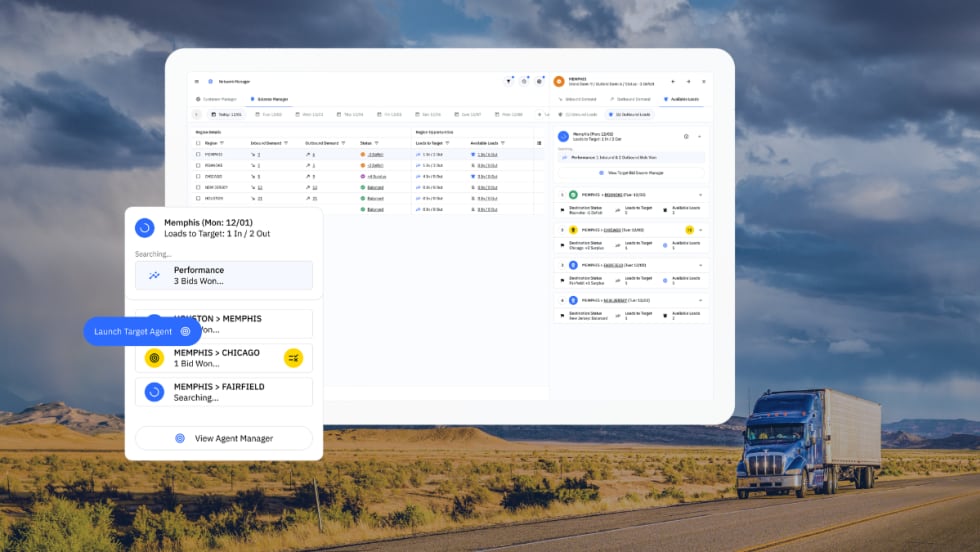
Optimal Dynamics says its new Scale platform uses AI agents and optimization to help carriers find and secure freight that improves network balance and profitability.
Read More →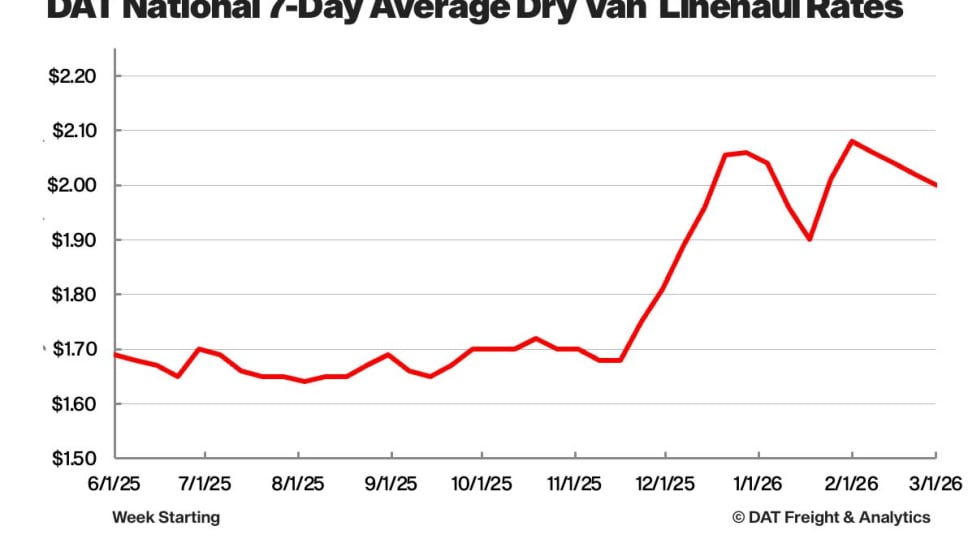
DAT Freight & Analytics data shows tightening flatbed capacity, easing produce markets, and softening van and reefer rates.
Read More →
NACFE's Run on Less - Messy Middle project demonstrates the power of data in helping to guide the future of alternative fuels and powertrains for heavy-duty trucks.
Read More →