




A group of trucking and shipping groups is opposing a law in California to ban the use of owner-operators at state ports, which could be voted on as early as today.
AB 950, the Port Drayage Owner-Operator Ban, declares that any drayage truck operator is an employee of the company who arranges for or engages their services. The practical effect of this bill is to ban all independent contractors, also known as owner-operators, from California ports and will negatively impact activity at West Coast ports, say opponents.
The bill was introduced in February, but this week, the Assembly Labor and Employment Committee voted 5-1 to advance a bill to the full Assembly. The bill could be considered on the Assembly floor as soon as today. If approved there, AB950 would advance to the Senate for further consideration.
Assembly Speaker John Perez, D-Los Angeles, a former labor organizer, is one of the sponsors of the bill. Supporters say drivers at California's ports and intermodal rail yards are being misclassified as independent contractors rather than employees.
The bill contends that nonemployee truck operators cannot freely report many safety concerns without fear of retaliation, that nonemployee truck operators typically lack workers' compensation insurance, and that drayage driving involves a greater degree of public health and safety and worker health and safety concerns than other types of commercial driving due to the heavy weights, large loads, and frequent trips through neighborhoods, which are adversely impacted by truck pollution.
"Today, thousands of independent owner-operators provide critical goods movement services at each of California's ports," says a letter sent to California State Assembly members this week by opponents of the bill. "Owner-operators provide necessary capacity and flexibility to meet the varying demands of port drayage. To impose an employee driver mandate on the companies who arrange for drayage services is simply not consistent with reality of port activity and places California ports at another financial disadvantage to other North American ports."
The letter notes that concerns about improper misclassification can be addressed using existing and established enforcement mechanisms.
An anticipated drayage truck shortage in the coming years will be exacerbated by mandates like AB 950 that force a specific business model that results in higher, uncompetitive costs, the letter says. According to a report by Dr. John Husing on the employee mandate in the San Pedro Bay ports, the cost of drayage would increase 167 percent over the current use of owner-operators. A second report by the Boston Consulting Group on the same mandate stated that annual drayage costs would rise by at least $500 million.
Opponents also contend that the employee driver mandate proposed in AB 950 is preempted by federal law. Federal law prohibits states from taking actions that impact the rates, routes, or services of trucking companies absent qualification under a specified "safety exception." In August 2010, the U.S. District Court for the Central District of California reaffirmed its earlier finding in a case regarding the Port of Los Angeles Clean Trucks Program that the employee mandate does not meet the safety exception and is preempted by federal law. The same facts that led the District and Ninth Circuit Courts to reject that employee mandate would apply to AB 950, opponents say.
Groups opposing the bill include the California Trucking Association, the Owner Operator Independent Drivers Association, the shipper group Nasstrac, the California Chamber of Commerce, American Trucking Associations, the Intermodal Carriers Conference, the national Retail Federation, the Harbor Trucking Association and many others.
California Bill Would Ban Owner-Operators at Ports
A group of trucking and shipping groups is opposing a law in California to ban the use of owner-operators at state ports, which could be voted on as early as today
More Fleet Management

'Beyond Compliance,' Regulations, Driver Coaching on ATRI’s 2026 Research List
The American Transportation Research Institute will examine driver coaching, regulatory impacts — including the "Beyond Compliance" concept —and weather disruptions that shape trucking operations.
Read More →
Fleet Advantage's Brian Antonellis on the Growing Need to Replace Old Trucks
Fleet Advantage's Brian Antonellis says it's time for fleets to get back to the fundamentals of good maintenance practices. And that includes replacing older, inefficient equipment.
Read More →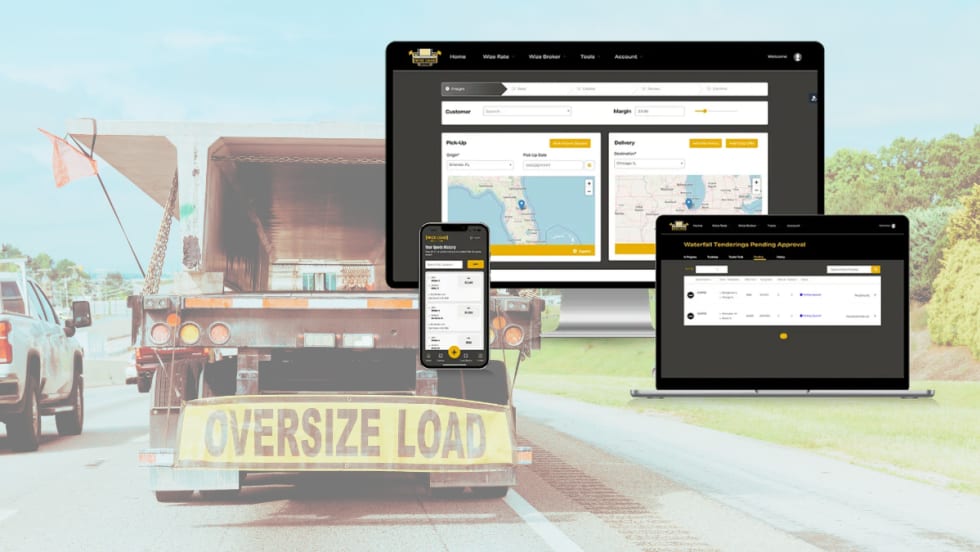
Truckstop.com Adding to Open Deck, Heavy Haul Offerings
Load matching for flatbed, lowbed, oversize and overweight loads can't be automated like basic van freight, but Truckstop.com is adding more high-tech tools to help.
Read More →
Trucker Path, Truckstop.com Expand Load Access Partnership
An expanded Trucker Path and Truckstop.com integration brings more freight opportunities into the TruckLoads app while emphasizing security and network quality.
Read More →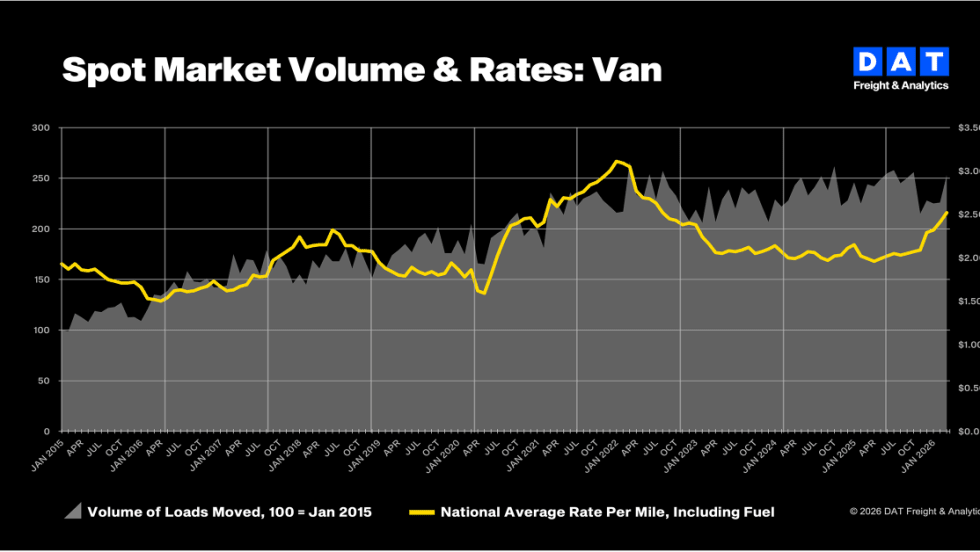
Truckload Rates Hit Two-Year Highs as Diesel Costs Surge, DAT Says
Strong March freight demand combined with a spike in fuel costs pushed both spot and contract truckload rates to their highest levels in more than two years.
Read More →
The AI Conversation You Need to Have with Your TMS Provider
Everyone’s talking about AI — but is your transportation management system actually built for it?
Read More →
Kriska Buys Fellow Canadian Carrier Sharp Transportation Systems
Being part of KTG will allow Sharp to expand and improve its services.
Read More →
Bill in House Would Raise Minimum Insurance for Motor Carriers to $5 Million
The Fair Compensation for Truck Crash Victims Act would increase insurance requirements for interstate motor carriers by nearly seven times.
Read More →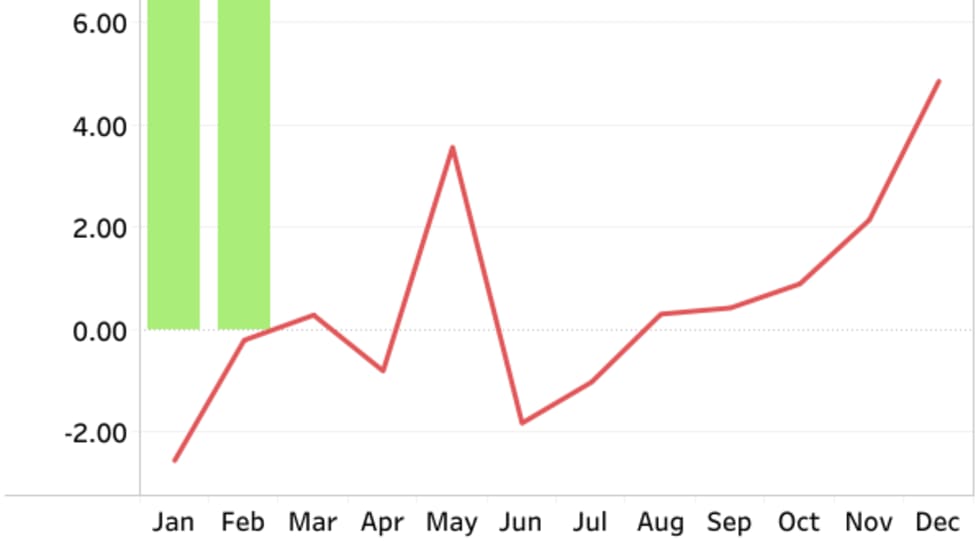
FTR Trucking Conditions Index Hits Four-Year High in February
Strong freight rates push TCI to 10.2, but FTR expects fuel-price volatility to skew March results.
Read More →
C.H. Robinson Offers Carriers Relief as Diesel Prices Surge
C.H. Robinson is waiving fees on fuel cards and cash advances for April and May, aiming to help carriers offset rising diesel costs tied to geopolitical instability.
Read More →