



Despite several wildfires breaking out across Southern California in recent days, the impact on trucking spot rates is not expected to exceed levels seen during the October wildfires in Northern California.
 MENU
MENU SEARCH
Despite several wildfires breaking out across Southern California in recent days, the impact on trucking spot rates is not expected to exceed levels seen during the October wildfires in Northern California.

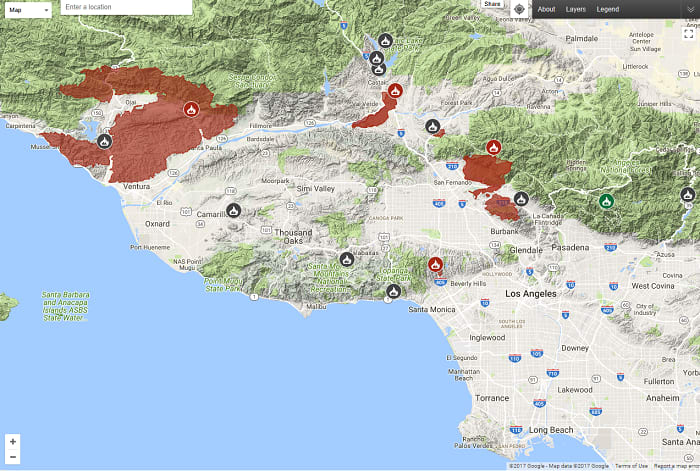
Map of wildfires burning in Los Angeles and Ventura counties Source: CalFire
Despite several wildfires breaking out across Southern California in recent days, the impact on trucking spot rates is not expected to exceed levels seen during the October wildfires in Northern California.
The current fires were driven by low humidity and unpredictable windy conditions hitting several spots in the Los Angeles, Ventura, and San Diego counties. An unusually strong rainy season earlier this year followed by months of low precipitation may have also contributed to the volatile conditions.
So far, the six wildfires have burned nearly 160,000 acres in total and forcing 190,000 people to evacuate, according to CNN.com.
While the fires have mostly stayed in the hilly, more sparsely populated areas of the region, several of the fires have approached and threatened major north-south highway arteries in the state.
Fires have hit key areas along Interstates 5, 101, and 405, which run the length of the state and are used to transport goods throughout California. So far, however, the closures have been short and located outside of major metropolitan areas.
FTR Transportation Intelligence, which tracks weekly spot truck rates, has yet to publish official numbers for the week but told HDT that the impact on freight rates is approaching what was seen during the October wild fires around Sonoma county.
According to FTR chief operating officer Jonathan Starks, when the October fires hit, West Coast spot volumes dropped by more than a quarter but returned to normal within three weeks. Rates also dipped by a small amount but returned to normal within two weeks.
Starks said he expects a similar impact from this recent spate of fires, though maybe not as strong.
Because the fires have been occurring on the outskirts of metroplitan Los Angeles, the impact on freight moves coming to and from the Ports of Los Angeles and Long Beach is expected to be minimal, Starks told HDT. However, the fires could still impact routes as truckers try to avoid areas near the fires.
FTR plans to publish data on the fire’s impact on Dec. 11 to provide more clarity on it. Factors that are uncertain include the holiday timeframe of the fires and how much that could affect food produce.

ACT Research data shows volumes hitting a four-year high and supply-demand balance strengthening, but higher oil prices are undercutting tariff relief and tempering optimism.
Read More →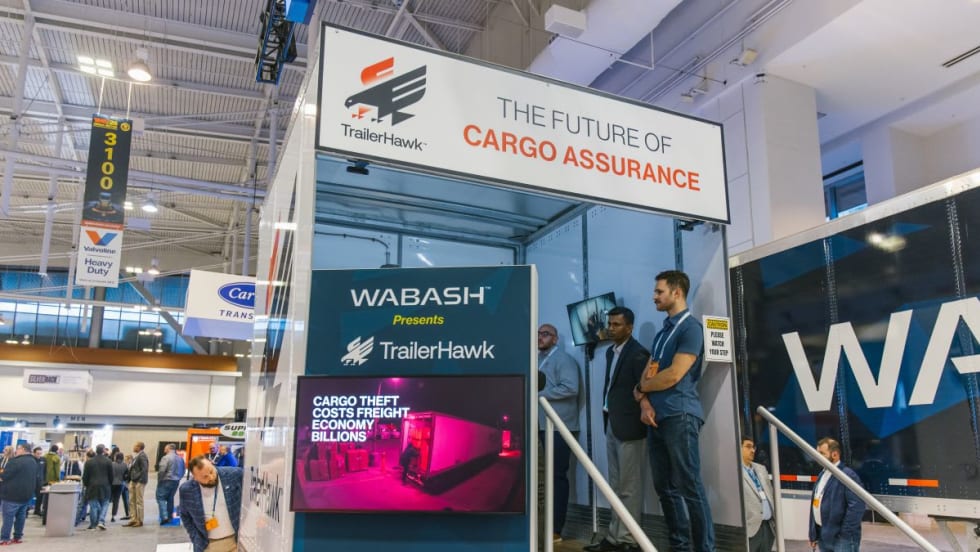
The patent-pending cargo solution integrates a digitally connected cargo door and an intelligent locking system with the TrailerHawk.AI technology platform.
Read More →
The impact of the Iran conflict extends beyond fuel costs, bringing more fraud and cybersecurity risks to the trucking industry.
Read More →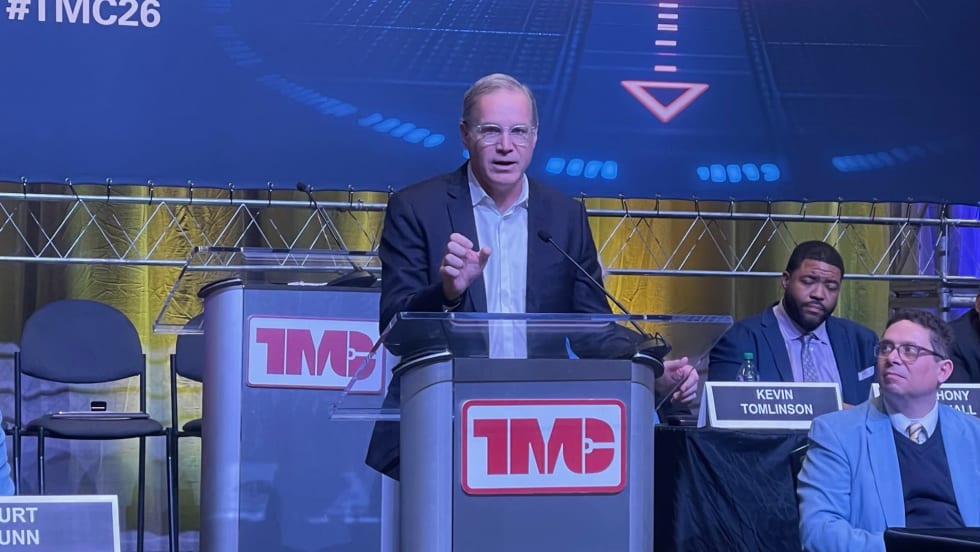
Speaking at the TMC Annual Meeting in Nashville, ATA President Chris Spear said trucking faces mounting pressure from rising fuel prices, geopolitical instability, and uncertainty around trade policy.
Read More →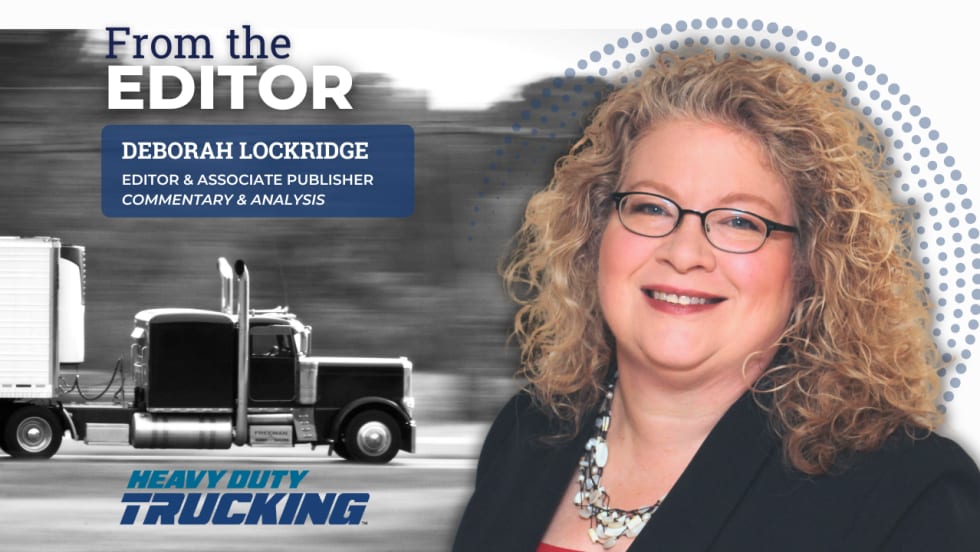
More than 100,000 new trucking companies enter the industry each year, but regulators manage to audit only a fraction of them. That churn creates opportunities for inexperienced startups — and for “chameleon carriers” that shut down after safety violations and reappear under new identities. Read more from Deborah Lockridge in this commentary.
Read More →
HDTX is an intimate event that connects heavy-duty trucking fleet managers with industry suppliers through small-group discussions, educational sessions, and structured one-on-one meetings.
Read More →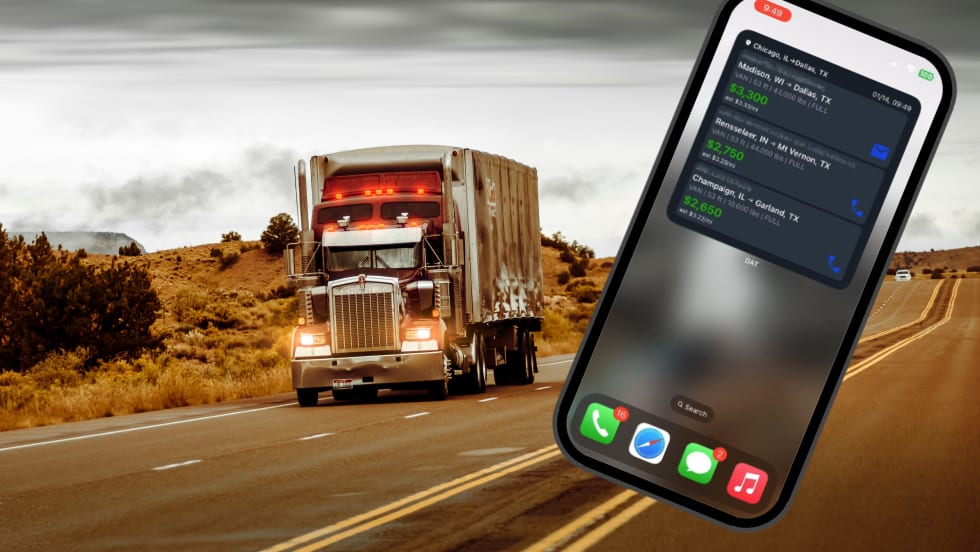
New DAT One feature shows top-paying loads directly on an iPhone’s home screen, helping carriers react faster to spot-market opportunities.
Read More →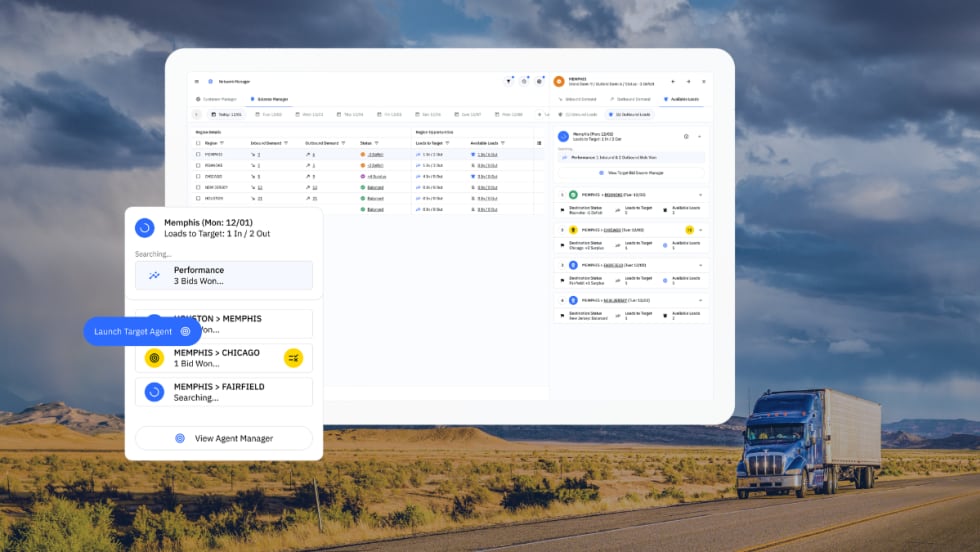
Optimal Dynamics says its new Scale platform uses AI agents and optimization to help carriers find and secure freight that improves network balance and profitability.
Read More →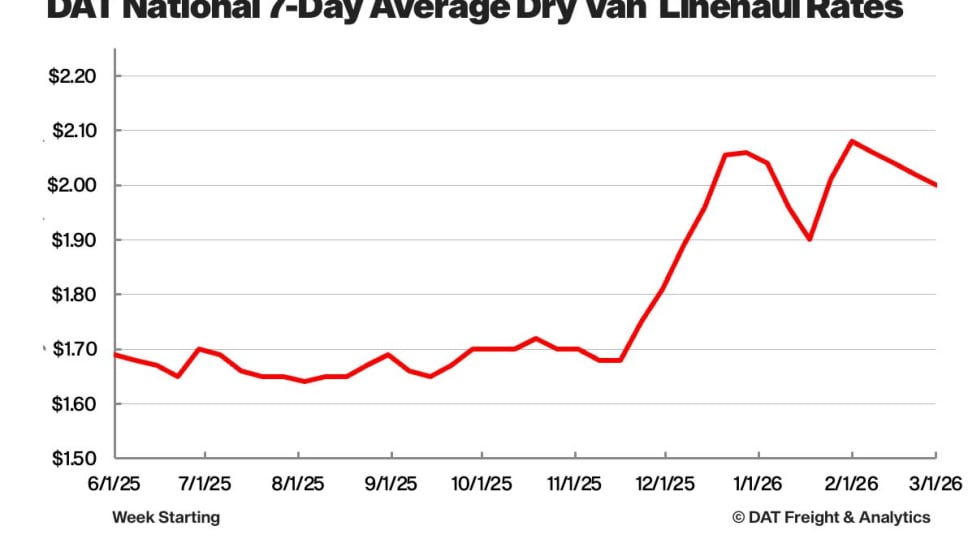
DAT Freight & Analytics data shows tightening flatbed capacity, easing produce markets, and softening van and reefer rates.
Read More →
NACFE's Run on Less - Messy Middle project demonstrates the power of data in helping to guide the future of alternative fuels and powertrains for heavy-duty trucks.
Read More →