



The Canada-based trucking industry engineering and research firm, PIT Group, will open a U.S. office to increase its presence in the country, the company announced at the American Trucking Associations Management Conference and Exhibition.
 MENU
MENU SEARCH
The Canada-based trucking industry engineering and research firm, PIT Group, will open a U.S. office to increase its presence in the country.
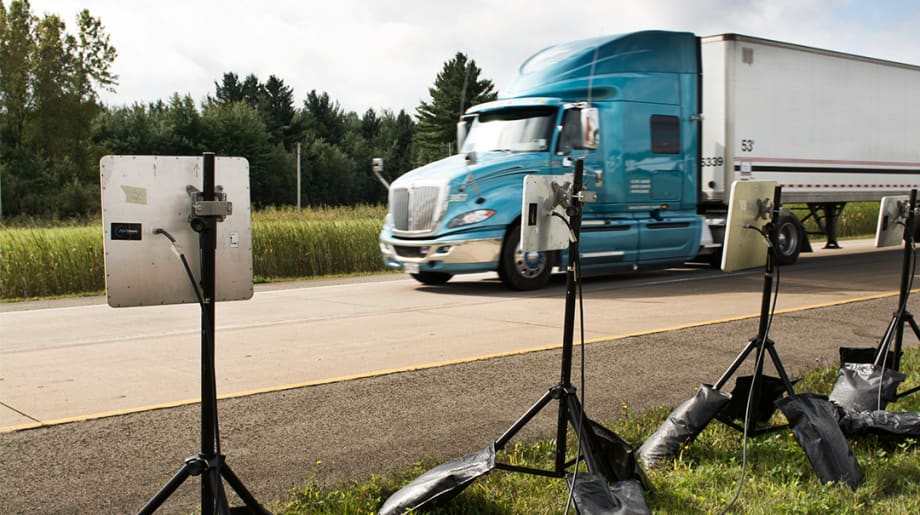
Photo: PIT Group
The Canada-based trucking industry engineering and research firm, PIT Group, will open a U.S. office to increase its presence in the country, the company announced at the American Trucking Associations Management Conference and Exhibition.
PIT Group is opening an office in Atlanta, Ga., and is adding the U.S. as the location for road testing of its Energotest technology certification process. Using stringent SAE and TMC protocols, PIT Group will hold two Energotest events in the U.S. and two in Canada each year.
“With the continual need to improve competitiveness and the increase in environmental compliance restrictions, the demand for green technologies has never been stronger,” said Yves Provencher, director of PIT Group. “Our US office will enable us to offer the level of service and experience we’ve been providing Canadian fleets and that US fleets expect.”
It has tasked Mike Fielden, a transportation logistics executive with over 35 years of experience, to lead its U.S. operation. PIT Group consists of engineers, technicians, eco-driving trainers and fleet management specialists that can guide fleets in selecting products for their needs.
PIT Group members are able to access independent test results on fuel saving technologies, network on technology issues with like-minded colleagues and have access of results of tests conducted for other PIT Group members.
Membership fees are $46 per power unit for the first 500 units, $28 for the next 500 units and $9.50 per power unit for the remaining units with a minimum fee of $5,000 annually.
“Larger carriers view us as a seamless extension to their engineering teams whereas smaller carriers consider us their entire engineering department,” said Provencher. “Bottom line, we have no agenda other than to certify and implement the best and most fuel efficient and environmentally friendly technologies in North America.”

ACT Research data shows volumes hitting a four-year high and supply-demand balance strengthening, but higher oil prices are undercutting tariff relief and tempering optimism.
Read More →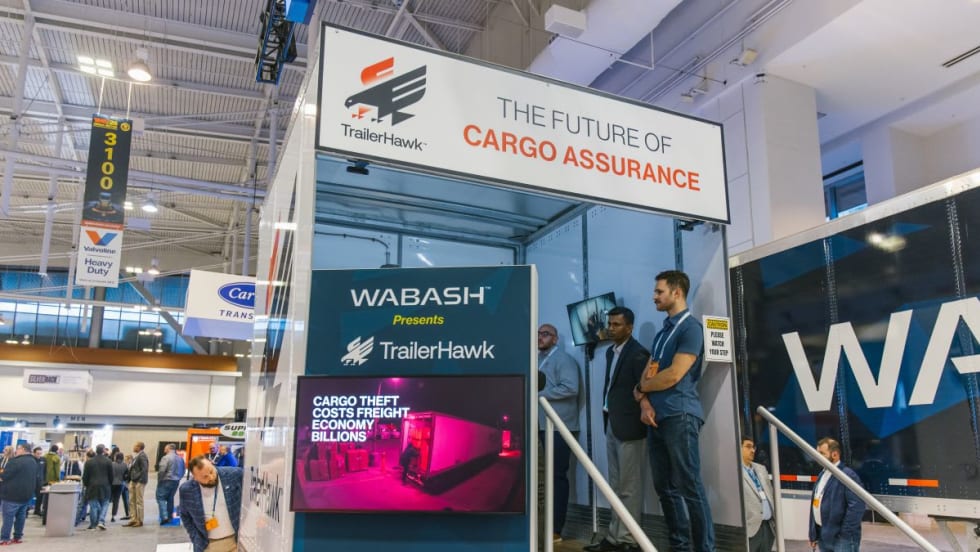
The patent-pending cargo solution integrates a digitally connected cargo door and an intelligent locking system with the TrailerHawk.AI technology platform.
Read More →
The impact of the Iran conflict extends beyond fuel costs, bringing more fraud and cybersecurity risks to the trucking industry.
Read More →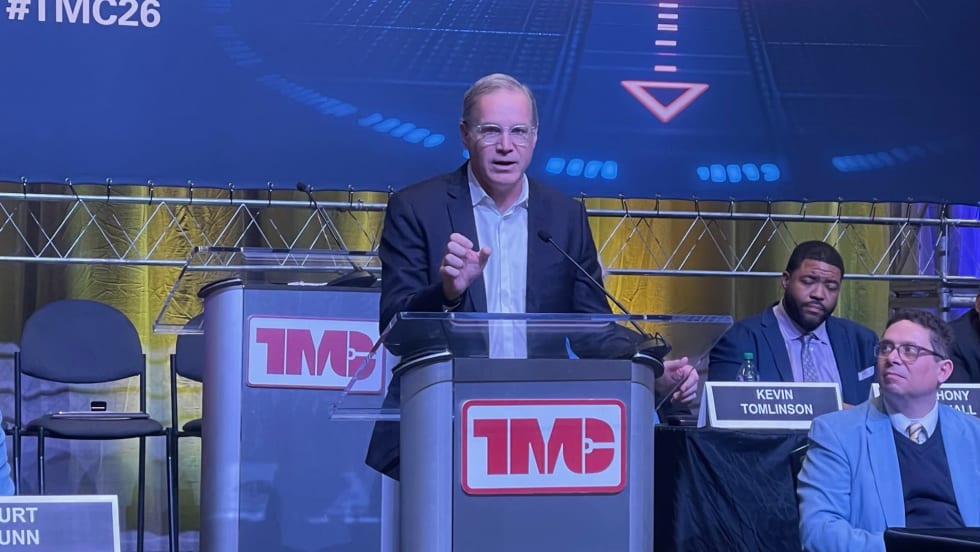
Speaking at the TMC Annual Meeting in Nashville, ATA President Chris Spear said trucking faces mounting pressure from rising fuel prices, geopolitical instability, and uncertainty around trade policy.
Read More →
More than 100,000 new trucking companies enter the industry each year, but regulators manage to audit only a fraction of them. That churn creates opportunities for inexperienced startups — and for “chameleon carriers” that shut down after safety violations and reappear under new identities. Read more from Deborah Lockridge in this commentary.
Read More →
HDTX is an intimate event that connects heavy-duty trucking fleet managers with industry suppliers through small-group discussions, educational sessions, and structured one-on-one meetings.
Read More →
New DAT One feature shows top-paying loads directly on an iPhone’s home screen, helping carriers react faster to spot-market opportunities.
Read More →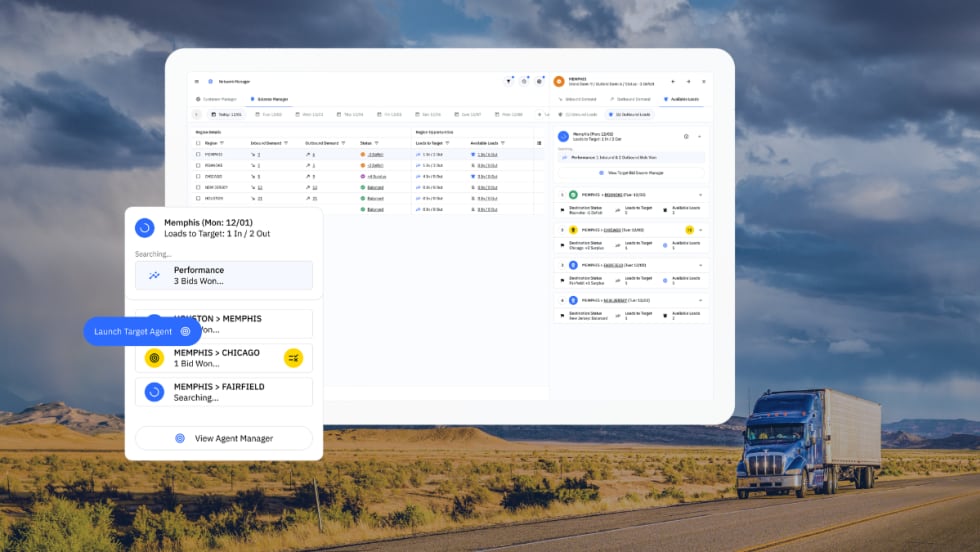
Optimal Dynamics says its new Scale platform uses AI agents and optimization to help carriers find and secure freight that improves network balance and profitability.
Read More →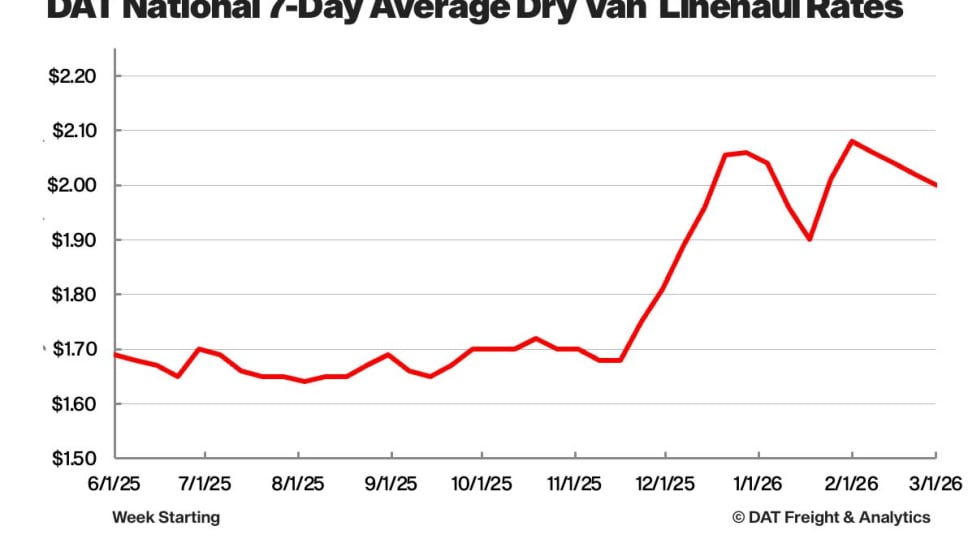
DAT Freight & Analytics data shows tightening flatbed capacity, easing produce markets, and softening van and reefer rates.
Read More →
NACFE's Run on Less - Messy Middle project demonstrates the power of data in helping to guide the future of alternative fuels and powertrains for heavy-duty trucks.
Read More →