




After spending a few years on the back burner, the concept of the Canamex highway corridor from Canada to Mexico is once again being considered as a possible reality, according to the Edmonton Sun.
The "Canamex Corridor" would be a continuous four-lane highway stretching from Edmonton and Calgary and then on to Interstate 15 through Montana, Idaho and down to Las Vegas. After Vegas, the route would pick up U.S. 93 to Phoenix and then Interstate 10 to Tucson, where it would join Interstate 19 to the Mexican border and then run into Mexico. Since
NAFTA opened the trade borders across North America, truckers continent-wide have been expressing interest in the creation of such a route, reports the Sun.
According to Alberta Trucking Assn. President Jurgen Mantei, the renewed interest in Canamex came as a result of some U.S. states being given extra money for road improvements by the
federal government. With those improvements, the Interstates will be able to take heavier traffic, he said. The Alberta Trucking Association and the provincial government assumed Canamex was just a dream, considering
each state has different road allowance rules that would make it impossible for a driver to get on one road that would have one uniform set of weights from Canada to Mexico.
But in the last few months, there has been a revived effort to put the idea of Canamex back in motion. According to the Sun, representatives from the Alberta Trucking Association appealed to Idaho Governor Dirk Kempthorne last month, informing him that if Canamex is to succeed, his state will need to raise the weight maximum to 129,000 lbs. to
ensure that all sections of the road have a
uniform weight allowance.
According to the Sun, Arizona and Nevada are also working with the U.S. federal government on a $184 million bridge that would allow trucks to bypass the Hoover Dam, which cannot support long combination vehicles (LCVs). The completion of that bridge is also critical to the future of Canamex.
Representatives of the Canamex Corridor Coalition will meet in Salt Lake City next
month, and will meet again in Great Falls,
Mont., in October.
Canamex Dream Still Alive
After spending a few years on the back burner, the concept of the Canamex highway corridor from Canada to Mexico is once again being considered as a possible reality, according to the Edmonton Sun
More Drivers

FMCSA Extends Paper Medical Card Exemption … Again
Five states still aren't ready to accept commercial driver medical exam information directly from the medical examiner's registry.
Read More →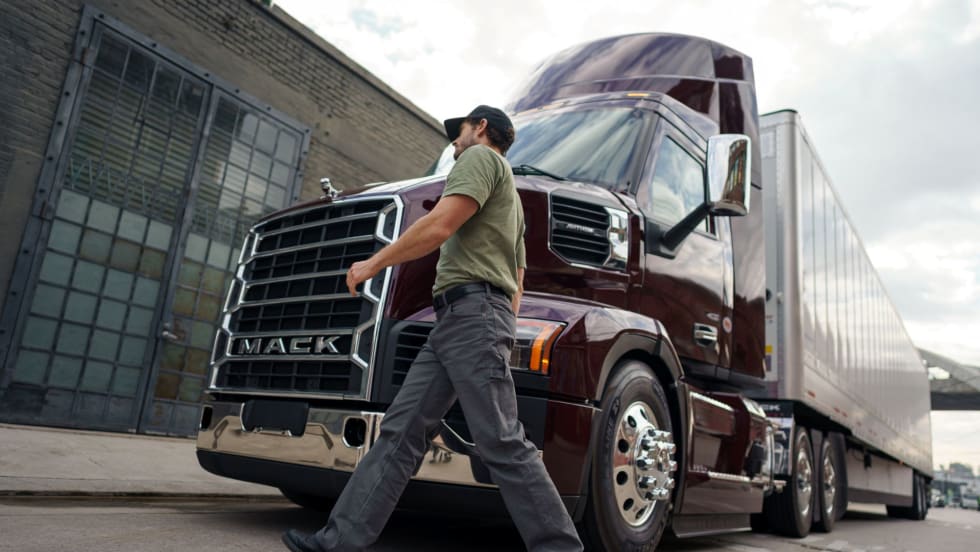
Mack Launches Digital Driver Guide for Chassis-Specific Truck Info
Mack’s new, virtual owner’s manual delivers VIN-based, on-demand guidance for vehicle systems via web, app, and soon in-cab displays.
Read More →
Western Star Showcases Truckers' Pride and Skill
Western Star is expanding its Star Nation Experience in 2026, adding new competitions and dealer participation to highlight operator skills and promote careers in trucking.
Read More →
Best Fleets to Drive For: Two Carriers Earn Overall Award for First Time
CarriersEdge announced the 2026 Best Fleets to Drive For overall winners, with Crawford Trucking, Fortigo Freight Services, and FTC Transportation receiving top awards.
Read More →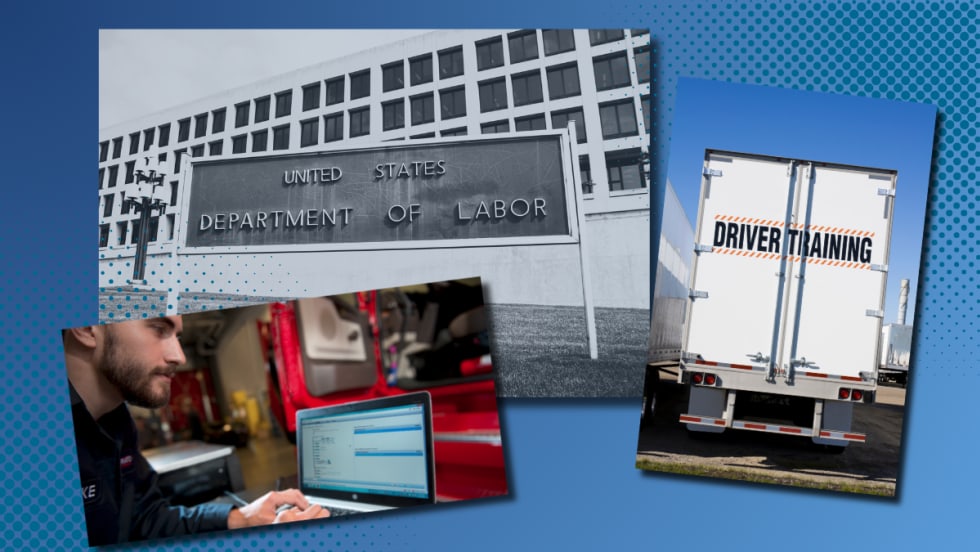
Federal Proposal Would Allow Pell Grants for Shorter-Term Job Training
The Department of Labor plans to expand Pell Grant eligibility to some shorter workforce training programs, a move the American Trucking Associations said will help strengthen commercial driver training schools and diesel technician training programs.
Read More →
Owner-Operator Model Gets Boost as DOL Proposes 2024 Independent Contractor Definition Reversal
For an industry that has watched this issue go back and forth for years, the independent contractor proposal marks the latest swing in the regulatory pendulum.
Read More →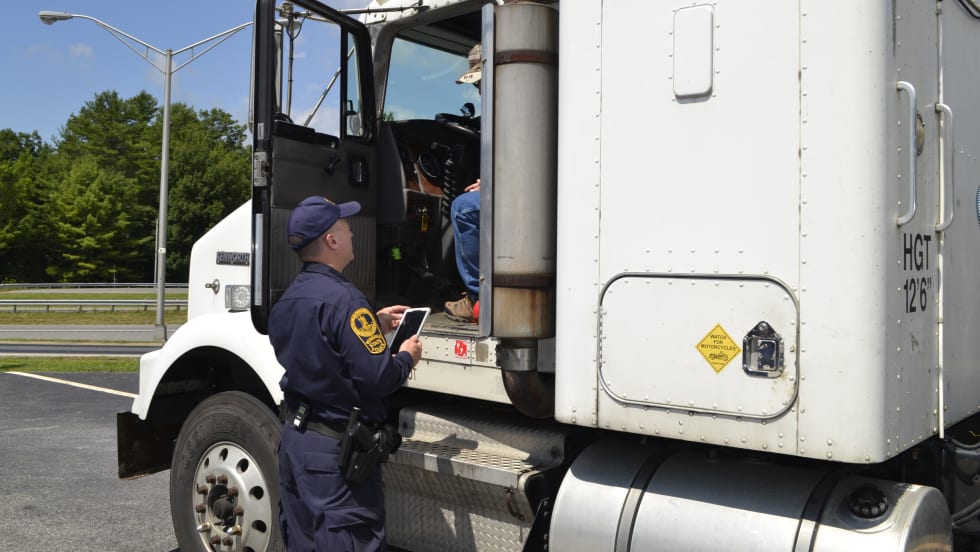
FMCSA Reinstates Field Warrior ELD to Registered Device List
One electronic logging device has been reinstated to the FMCSA's list of registered ELDs.
Read More →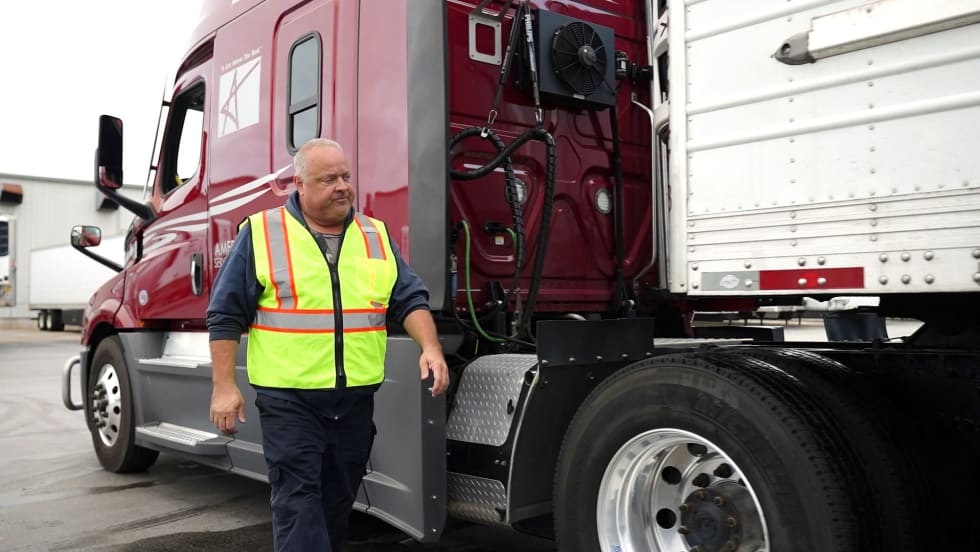
How One Company is Using Smart Suspension Technology to Reduce Driver Injuries and Improve Retention
America’s Service Line adopted Link’s SmartValve and ROI Cabmate systems to address whole-body vibration, repetitive strain, and driver turnover. The trucking fleet is already seeing measurable results.
Read More →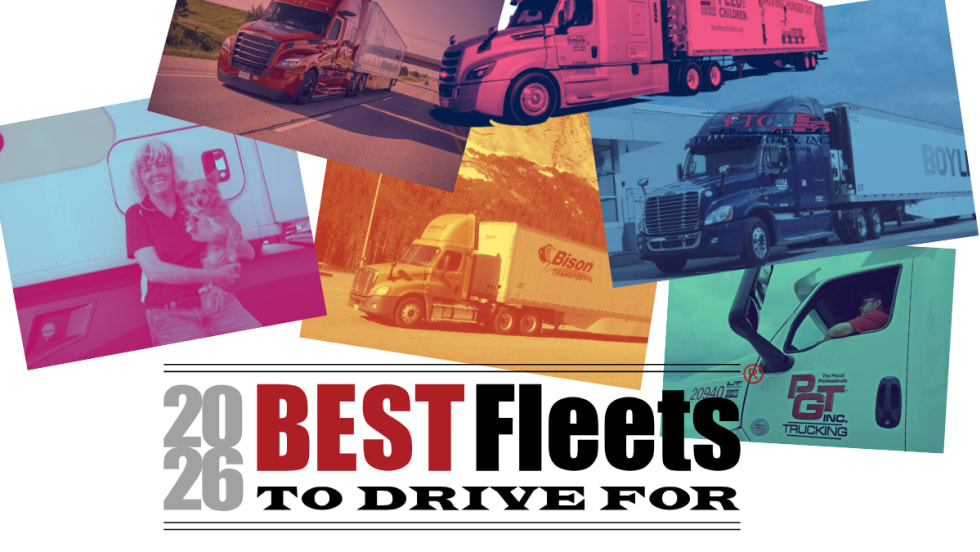
CarriersEdge Announces 2026 Best Fleets to Drive For
The 18th annual contest recognizing the best workplaces for truck drivers sees changes to Top 20, Hall of Fame
Read More →
FMCSA Targets 550+ ‘Sham’ CDL Schools in Nationwide Sting Operation
The Federal Motor Carrier Safety Administration issued more than 550 notices of proposed removal to commercial driver training providers following a five-day nationwide enforcement sweep. Investigators cited unqualified instructors, improper training vehicles, and failure to meet federal and state requirements.
Read More →