




The California Air Resources Board is reminding truck and bus owners to check now to see if their vehicle fleets are among those that will have new rules to follow as of Jan. 1, 2013.
As the new year begins, heavy-duty trucks and buses (more than 26,000 pounds gross vehicle weight rating) with 2000 - 2004 model year engines will likely need diesel soot filters
CARB Deadlines Looms For Trucks and Buses
The California Air Resources Board is reminding truck and bus owners to check now to see if their vehicle fleets are among those that will have new rules to follow as of Jan. 1, 2013. As the new year begins, heavy-duty trucks and buses (more than 26,000 pounds gross vehicle weight rating) with 2000 - 2004 model year engines will likely need diesel soot filter
by Staff
December 4, 2012
3 min to read
as required by the state's Truck and Bus Regulation.
The rule is part of California's Diesel Risk Reduction Plan, which includes a suite of regulations designed to reduce harmful diesel emissions from a wide variety of sources. In 2011, similar requirements took effect for 1996 - 1999 model year engines.
There are exceptions, which include low-mileage or emergency vehicles, etc.
However, the majority of registered trucks and buses in this vehicle category will need to take steps to comply with the regulation.
"Our efforts to reach out to the trucking industry have yielded positive results," said CARB's Enforcement Division Chief James Ryden. "We have enforcement and compliance assistance teams all over the state who regularly inspect vehicles and educate owners, and recently, we've been pleased to note a compliance rate of more than 80%."
Ryden specifically cited "Gear Up for Clean Truck Month" in August, where teams of CARB and California Highway Patrol officers stepped up enforcement efforts and inspected more than 4,000 trucks at 40 different locations, including CHP weigh stations, random roadside areas, distribution centers, fleet facilities, truck stops and other sites where trucks and buses are present.
Business owners should note that non-compliant vehicles (including out-of-state vehicles) may not be legally operated in California. Penalties start at a minimum of $1,000 per violation per month and will increase significantly over time.
In addition, non-compliance can result in a Department of Motor Vehicle registration block on your truck or bus, and/or having your vehicle impounded by CHP until it is in compliance. For more information on possible penalties, see the "Enforcement" link at Truck Stop/Enforcement at http://www.arb.ca.gov/msprog/truckstop/azregs/enforcement.htm.
Other new diesel-related rules besides the Truck and Bus Regulation will be enforced starting Jan. 1, 2013. Vehicle owners may want to take note of this information in order to place equipment orders and prepare for compliance. Deadlines coming up quickly for diesel vehicles include:
Dec. 31, 2012:
Transport Refrigeration Units with 2005 model year engines must be replaced with Ultra-Low-Emission TRUs.
Jan. 1, 2013:
Under the Truck and Bus regulation, diesel truck and bus fleets must either install diesel soot filters (or upgrade equipment) on trucks with 2002 - 2004 model year engines or meet phase-in option requirements.
For vehicles covered under the Drayage Truck Regulation, 2005 - 2006 engine model year trucks greater than 33,000 lbs. gross vehicle weight rating must have diesel soot filters.
Tractor-Trailer Greenhouse Gas regulation:
- Owners of fleets with 20 or fewer affected trailers must register if they want to use a compliance option that will allow them up to four additional years to participate in the Small Fleet Compliance Plan.
- Low-rolling resistance tires are required for 2010 model year and older tractors that pull 53 foot-long box-type trailers.
- SmartWay aerodynamic requirements must be met by all 53-foot or longer box-type trailers not using a phase-in option.
To make sure you and your fleet are ready for 2013, call 1-866-6-DIESEL (1-866-634-3735), or visit http://www.arb.ca.gov/msprog/truckstop/truckstop.htm for more information.
More Drivers
Federal Proposal Would Allow Pell Grants for Shorter-Term Job Training
The Department of Labor plans to expand Pell Grant eligibility to some shorter workforce training programs, a move the American Trucking Associations said will help strengthen commercial driver training schools and diesel technician training programs.
Read More →
Owner-Operator Model Gets Boost as DOL Proposes 2024 Independent Contractor Definition Reversal
For an industry that has watched this issue go back and forth for years, the independent contractor proposal marks the latest swing in the regulatory pendulum.
Read More →
FMCSA Reinstates Field Warrior ELD to Registered Device List
One electronic logging device has been reinstated to the FMCSA's list of registered ELDs.
Read More →
How One Company is Using Smart Suspension Technology to Reduce Driver Injuries and Improve Retention
America’s Service Line adopted Link’s SmartValve and ROI Cabmate systems to address whole-body vibration, repetitive strain, and driver turnover. The trucking fleet is already seeing measurable results.
Read More →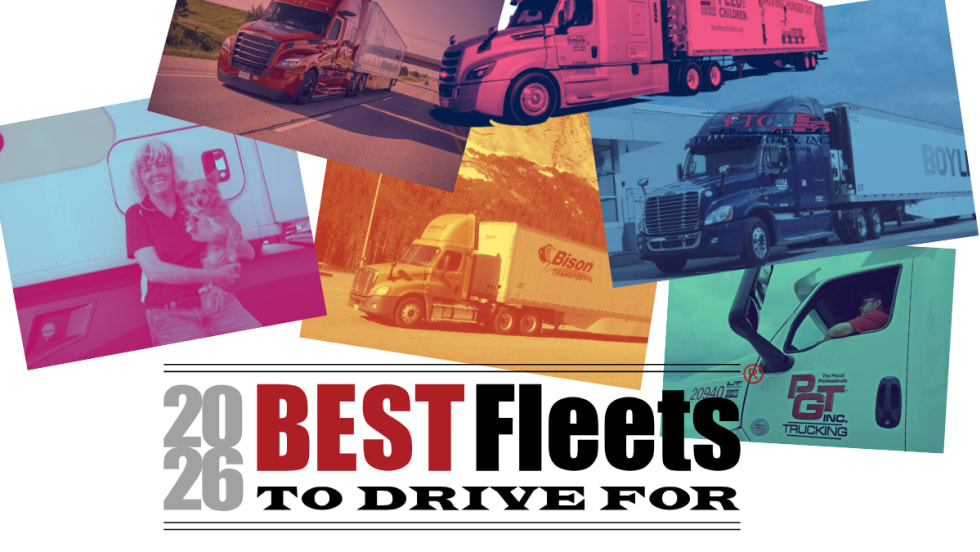
CarriersEdge Announces 2026 Best Fleets to Drive For
The 18th annual contest recognizing the best workplaces for truck drivers sees changes to Top 20, Hall of Fame
Read More →
FMCSA Targets 550+ ‘Sham’ CDL Schools in Nationwide Sting Operation
The Federal Motor Carrier Safety Administration issued more than 550 notices of proposed removal to commercial driver training providers following a five-day nationwide enforcement sweep. Investigators cited unqualified instructors, improper training vehicles, and failure to meet federal and state requirements.
Read More →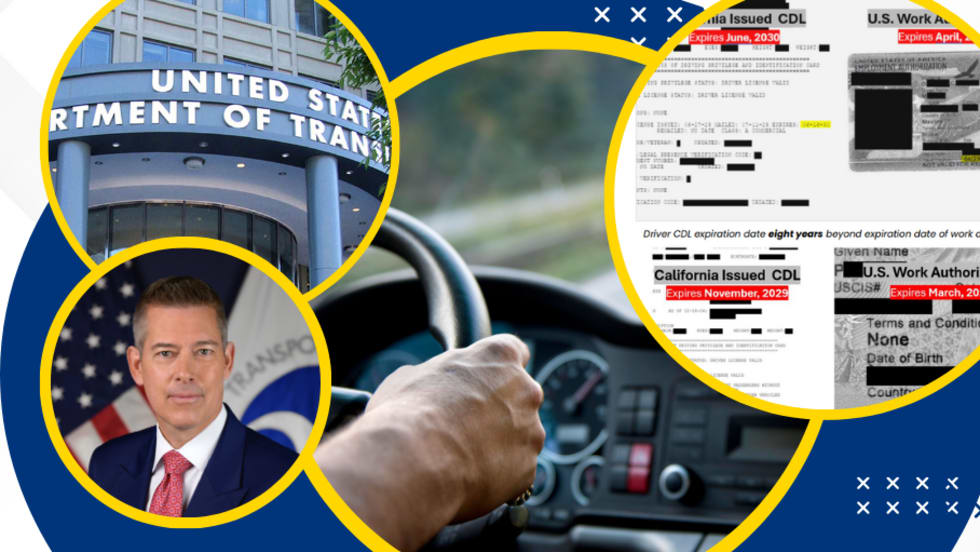
DOT Alleges Illinois Issued Illegal Non-Domiciled CDLs
Illinois is the latest state targeted and threatened with the loss of highway funding by the U.S. Department of Transportation in its review of states' non-domiciled CDL issuance procedures. The state is pushing back.
Read More →FMCSA Locks in Non-Domiciled CDL Restrictions
After a legal pause last fall, FMCSA has finalized its rule limiting non-domiciled commercial driver's licenses. The agency says the change closes a safety gap, and its revised economic analysis suggests workforce effects will be more gradual than first thought.
Read More →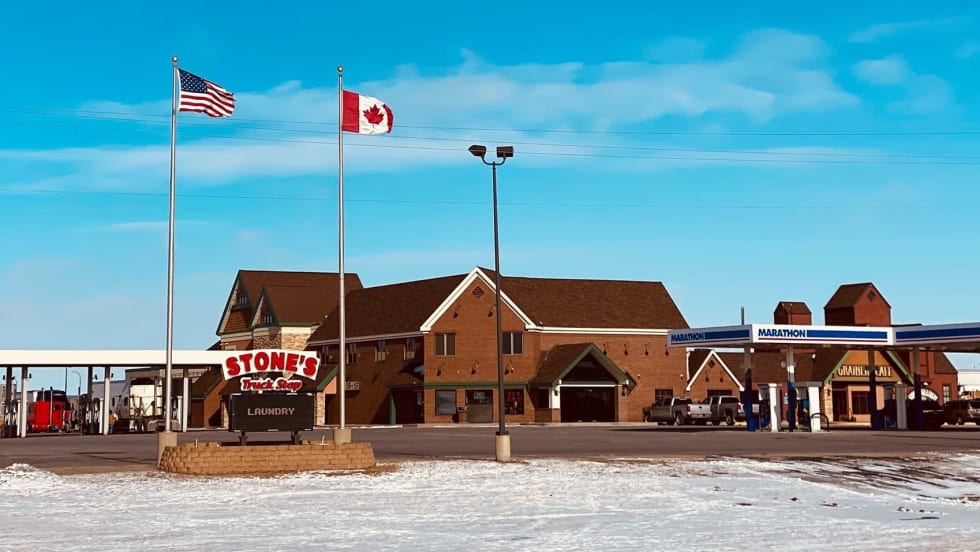
Trucker Path Names Top Truck Stops for 2026
Truck driver ratings reveal the best chain and independent truck stops in the country.
Read More →
Sponsored•February 1, 2026
6 Dashcam Tactics to Improve Safety & ROI
6 intelligent dashcam tactics to improve safety and boost ROI
Read More →