




The Ceridian-UCLA Pulse of Commerce Index, issued by the UCLA Anderson School of Management and Ceridian Corporation, rose 1% in June on a seasonally and workday adjusted basis.
Despite the stronger performance in June, the economy continues to remain in idle with the PCI remaining below its level at the end of the first quarter.
"Over the past year the U.S. economy has been in 'she loves me, she loves me not' mode," said Ed Leamer, chief PCI economist and director of the UCLA Anderson Forecast. "Bad news has been alternating with good, leaving investors and forecasters nervous and unable to identify sustainable trends."
The PCI has had five positive and seven negative months in the last year, registering a tepid 2% increase year-over-year. Over the same time period, GDP and payrolls have shown wobbly growth, failing to drive a real recovery or reduction in the unemployment rate.
This month's 1% increase in the PCI could be the start of a positive trend, but a one-month spike does not make a trend, particularly in light of the many false starts experienced over the last year. Until there is enough data to declare a new trend, expect more of the same, somewhat disappointing result: persistent, wobbly uncertain growth.
The drivers behind persistent uncertain growth over the past year are clear, according to the PCI. The glimmerings of a recovery experienced in both the PCI and in the GDP during the second half of 2009 and the first half of 2010 were driven mostly by the replenishment of inventories. When the inventory restocking was complete, neither new job creation nor consumer spending on big-ticket items were robust enough to sustain a steady economic recovery.
Ceridian-UCLA Pulse of Commerce Index Up 1% In June
The Ceridian-UCLA Pulse of Commerce Index, issued by the UCLA Anderson School of Management and Ceridian Corporation, rose 1% in June on a seasonally and workday adjusted basis
More Fleet Management

'Beyond Compliance,' Regulations, Driver Coaching on ATRI’s 2026 Research List
The American Transportation Research Institute will examine driver coaching, regulatory impacts — including the "Beyond Compliance" concept —and weather disruptions that shape trucking operations.
Read More →
Fleet Advantage's Brian Antonellis on the Growing Need to Replace Old Trucks
Fleet Advantage's Brian Antonellis says it's time for fleets to get back to the fundamentals of good maintenance practices. And that includes replacing older, inefficient equipment.
Read More →
Truckstop.com Adding to Open Deck, Heavy Haul Offerings
Load matching for flatbed, lowbed, oversize and overweight loads can't be automated like basic van freight, but Truckstop.com is adding more high-tech tools to help.
Read More →
Trucker Path, Truckstop.com Expand Load Access Partnership
An expanded Trucker Path and Truckstop.com integration brings more freight opportunities into the TruckLoads app while emphasizing security and network quality.
Read More →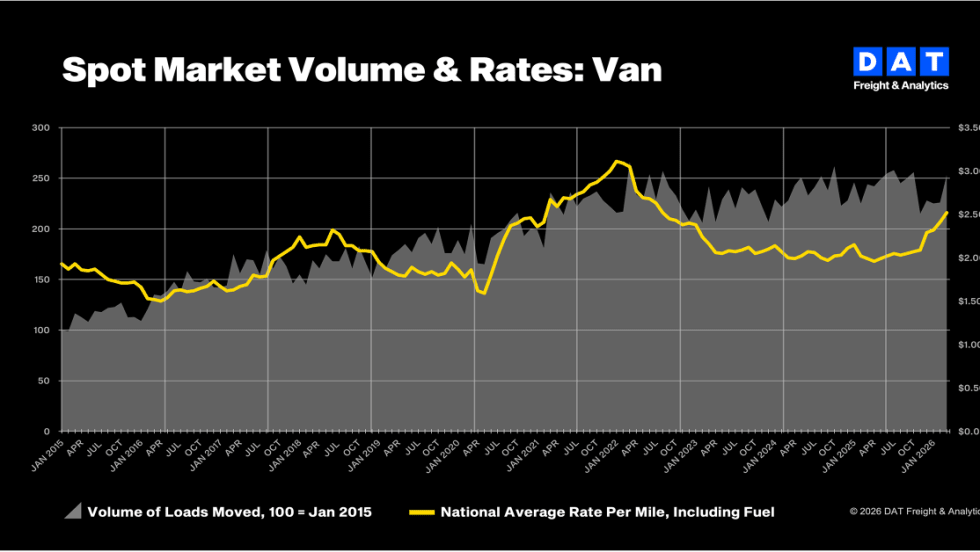
Truckload Rates Hit Two-Year Highs as Diesel Costs Surge, DAT Says
Strong March freight demand combined with a spike in fuel costs pushed both spot and contract truckload rates to their highest levels in more than two years.
Read More →
The AI Conversation You Need to Have with Your TMS Provider
Everyone’s talking about AI — but is your transportation management system actually built for it?
Read More →
Kriska Buys Fellow Canadian Carrier Sharp Transportation Systems
Being part of KTG will allow Sharp to expand and improve its services.
Read More →
Bill in House Would Raise Minimum Insurance for Motor Carriers to $5 Million
The Fair Compensation for Truck Crash Victims Act would increase insurance requirements for interstate motor carriers by nearly seven times.
Read More →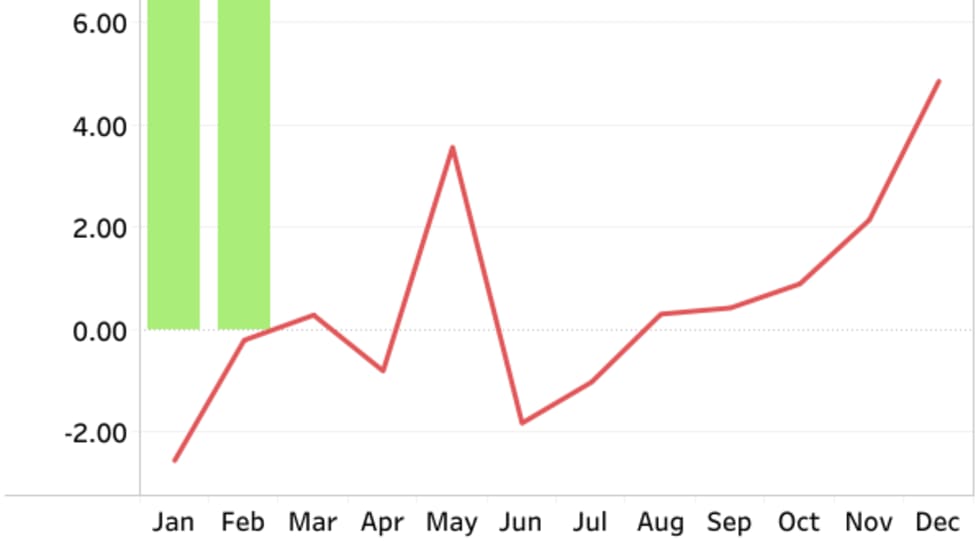
FTR Trucking Conditions Index Hits Four-Year High in February
Strong freight rates push TCI to 10.2, but FTR expects fuel-price volatility to skew March results.
Read More →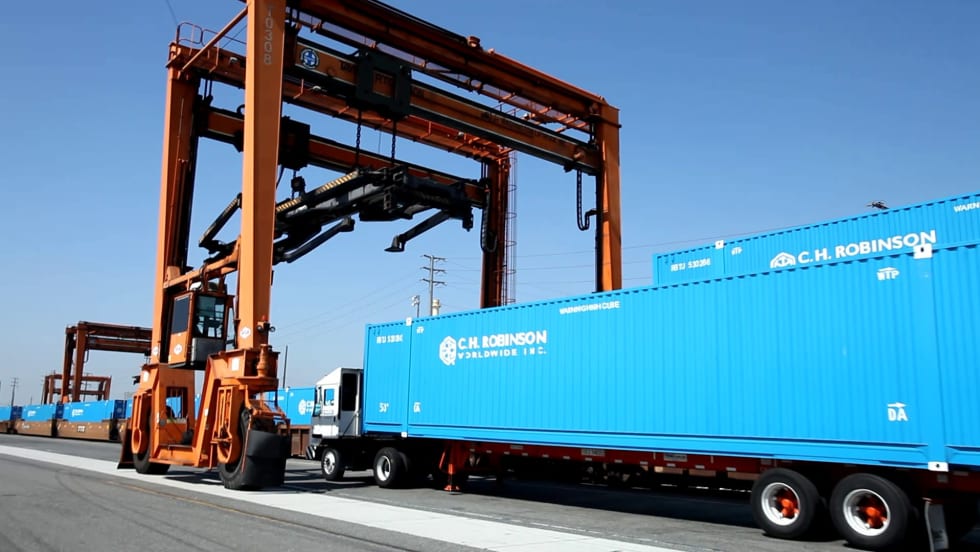
C.H. Robinson Offers Carriers Relief as Diesel Prices Surge
C.H. Robinson is waiving fees on fuel cards and cash advances for April and May, aiming to help carriers offset rising diesel costs tied to geopolitical instability.
Read More →