



By 2035 only zero-emissions vehicles will be able to enter the Ports of Los Angeles and Long Beach without paying a penalty. That's part of the Clean Air Action Plan approved by the harbor commissions of both ports.
 MENU
MENU SEARCH
The Clean Air Action Plan, which seeks to aggressively reduce emissions at the Ports of Los Angeles and Long Beach, has been approved by the harbor commissions of both ports.

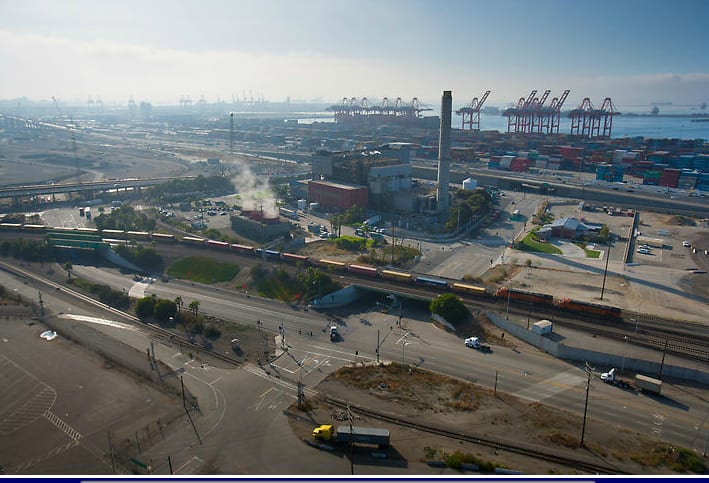
Photo: Port of Long Beach
By 2035 only zero-emissions vehicles will be able to enter the Ports of Los Angeles and Long Beach without paying a penalty. That's part of the Clean Air Action Plan approved by the harbor commissions of both ports.
The 2017 CAAP Update is designed to push for zero emissions by 2035. The plan to reduce emissions will include cleaner vehicles and equipment, better freight infrastructure and planning, and improved freight efficiency.
For trucking companies servicing the ports, newly registered vehicles will be required to meet stringent environmental regulations or face penalties. By mid-2018, all new trucks on the registry must have at least 2014 model year engines. By 2020, a near-zero emissions standard will be enforced with a fee charged when entering port terminals. By 2023, trucks must meet near-zero emissions to enter the registry, and by 2035 only zero-emissions vehicles will be able to enter the port without being charged.
The ports estimate incremental costs of between $7 billion and $14 billion for new technologies, infrastructure investments, and incentive programs to support the CAAP strategies outlined in the latest version of the plan. The plan was developed with feedback from industry stakeholders, according to port officials.
The Harbor Trucking Association, which represents many of the stakeholders at the affected ports, took a positive but circumspect position on the approved plan.
“The Harbor Trucking Association is very thankful to the Ports of Los Angeles and Long Beach for engaging with us in the development of the Clean Air Action Plan update,” said Weston LaBar, executive director of the association. “While we appreciate the ports' approach, we feel the milestones are very ambitious and will be hard to meet."
The CAAP is one of the most ambitious environmental investments ever undertaken by a port complex and must strike a delicate balance of improving air quality through drastic measures and maintaining competitiveness with other ports.
Strategies to deliver on the plan are expected to place a large financial burden on the ports and goods movement industry, and the plan states that it will only be successful with the financial support of the California and federal governments.
“We look forward to working with the ports through the implementation process and the vetting of the feasibility of deploying new equipment in the market,” said LaBar. “Above all, we need to first ensure the port is economically sustainable and competitive, as we work towards increased environmental sustainability and continuing the journey to improve our region’s air quality.”
Not all industry stakeholders are as cautiously optimistic. Western States Trucking Association Director of Governmental Affairs Joe Rajkovacz expressed concern that requirements for newer, cleaner vehicles would hinder the abilities of small trucking companies to compete.
“In our view, it’s really going to handicap small businesses. It essentially tells small business that you aren’t going to be able to repurpose older vehicles,” Rajkovacz told HDT. “This certainly has the specter of the ports doing the bidding of organized labor to try to do everything they can to screw over small businesses.”
Rajkovacz also said that the regulations could really hurt the Ports of Los Angeles' and the Port of Long Beach's ability to compete with other ports and could ultimately cost them serious business.
For funding, CAAP states that federal, state and regional government incentives can help offset costs of new equipment and subsidize critical infrastructure needed to support new technologies. A request will be made for incentive funding from federal, state, and regional sources to assist with these efforts, and the ports will remain actively involved in these discussions throughout the implementation of the plan.
“When the cost of shipping goods through those ports becomes so high, and they’re already seeing declines in market share, it's going to accelerate,” WSTA's Rajkovacz said. “The self-righteous, sanctimonious people are going to kill the goose that lays the golden egg in Southern California.”

ACT Research data shows volumes hitting a four-year high and supply-demand balance strengthening, but higher oil prices are undercutting tariff relief and tempering optimism.
Read More →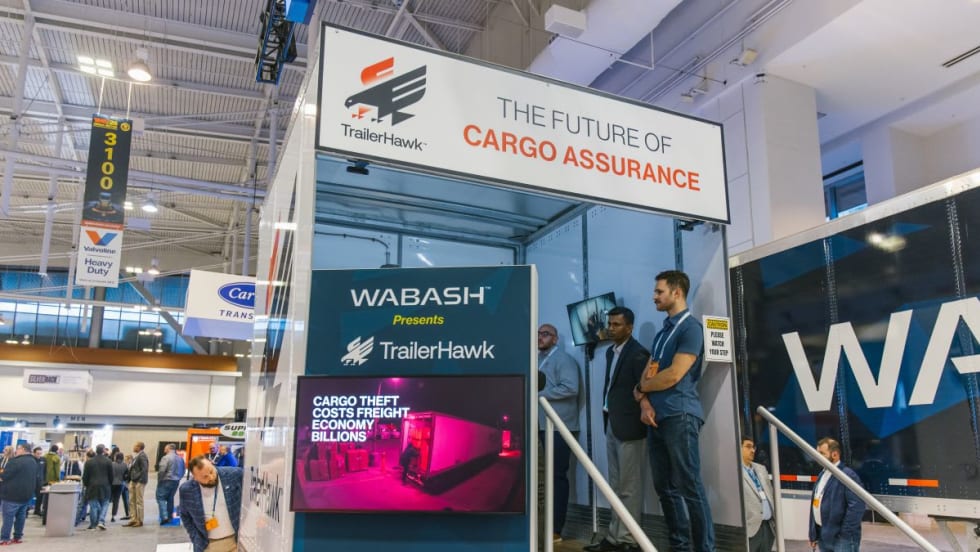
The patent-pending cargo solution integrates a digitally connected cargo door and an intelligent locking system with the TrailerHawk.AI technology platform.
Read More →
The impact of the Iran conflict extends beyond fuel costs, bringing more fraud and cybersecurity risks to the trucking industry.
Read More →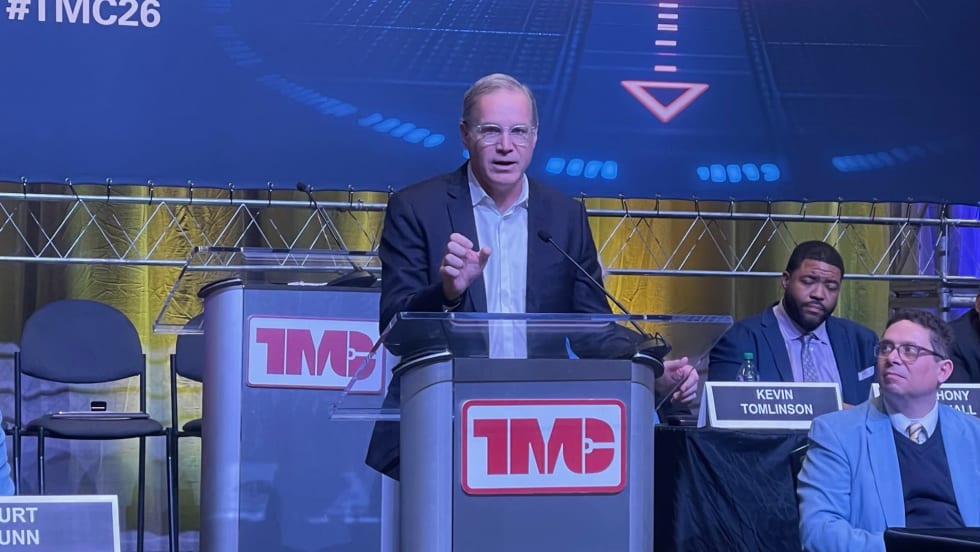
Speaking at the TMC Annual Meeting in Nashville, ATA President Chris Spear said trucking faces mounting pressure from rising fuel prices, geopolitical instability, and uncertainty around trade policy.
Read More →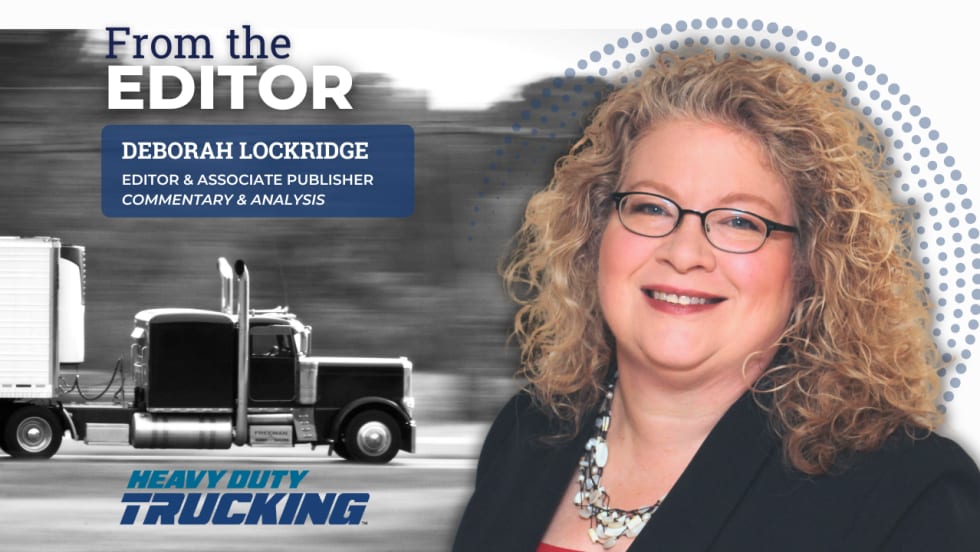
More than 100,000 new trucking companies enter the industry each year, but regulators manage to audit only a fraction of them. That churn creates opportunities for inexperienced startups — and for “chameleon carriers” that shut down after safety violations and reappear under new identities. Read more from Deborah Lockridge in this commentary.
Read More →
HDTX is an intimate event that connects heavy-duty trucking fleet managers with industry suppliers through small-group discussions, educational sessions, and structured one-on-one meetings.
Read More →
New DAT One feature shows top-paying loads directly on an iPhone’s home screen, helping carriers react faster to spot-market opportunities.
Read More →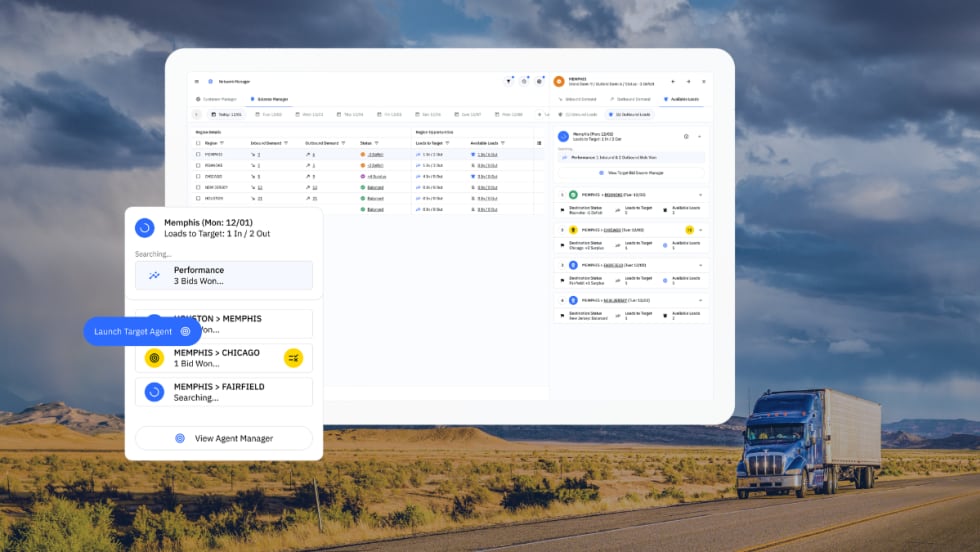
Optimal Dynamics says its new Scale platform uses AI agents and optimization to help carriers find and secure freight that improves network balance and profitability.
Read More →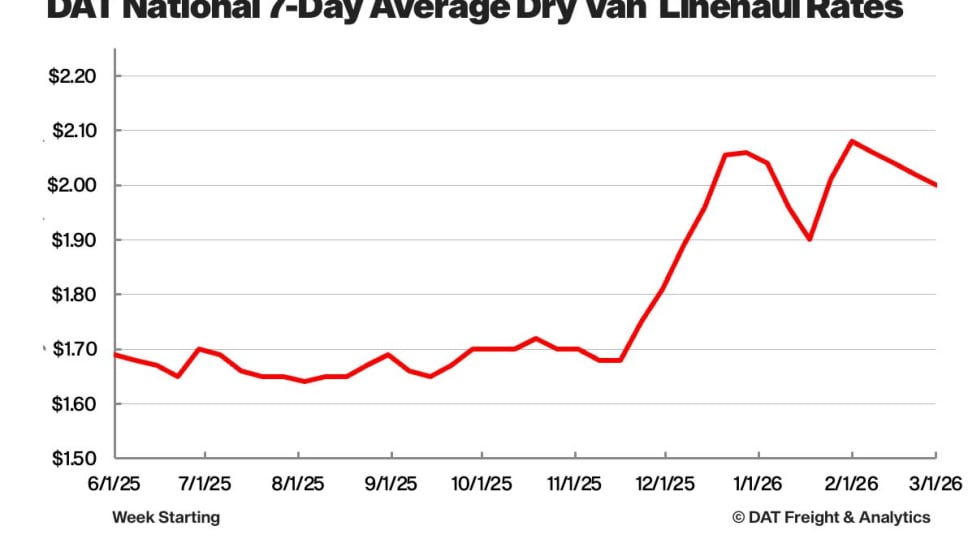
DAT Freight & Analytics data shows tightening flatbed capacity, easing produce markets, and softening van and reefer rates.
Read More →
NACFE's Run on Less - Messy Middle project demonstrates the power of data in helping to guide the future of alternative fuels and powertrains for heavy-duty trucks.
Read More →