




The Colorado Department of Transportation (CDOT) unveiled a self-driving work zone vehicle designed to advance safety for roadway maintenance crews. Customarily positioned behind road construction crews in order to protect workers from the traveling public, the Autonomous Impact Protection Vehicle (AIPV) increases work zone safety by removing the driver from a truck that is actually designed to be hit.
Colo. DOT Debuts Self-Driving Work Zone Vehicle
The Colorado Department of Transportation (CDOT) unveiled the world's first self-driving work zone vehicle designed to improve safety for road maintenance crews. The vehicle is positioned behind road construction crews to protect workers from the traveling public.
by Staff
August 21, 2017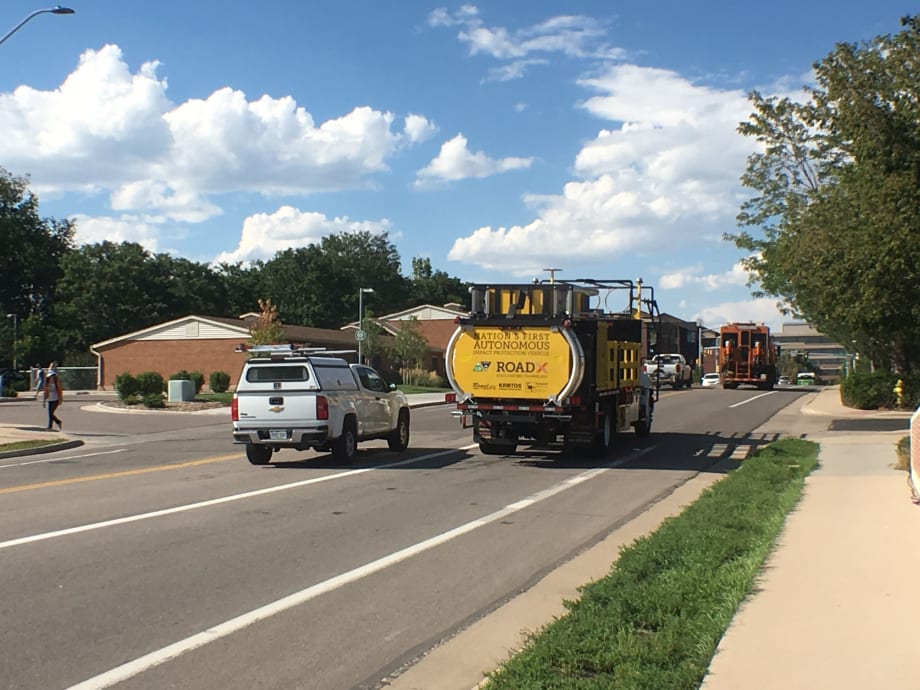
Photo courtesy of Colorado DOT
2 min to read
“Just in the last four years, there have been 26 incidents where a member of the traveling public struck a CDOT impact protection vehicle — that’s almost seven per year,” said Shailen Bhatt, CDOT executive director. “This is a dangerously high number when you consider that in some instances, a CDOT employee is sitting in the driver’s seat of the vehicle that was hit. By using self-driving technology, we’re able to take the driver out of harm’s way while still effectively shielding roadside workers.”
The AIPV uses technology to mimic the position, speed, and direction of a lead vehicle that transmits a signal to the trailing driverless vehicle, ensuring the AIPV is always correctly positioned between roadway workers and live traffic.
CDOT and a host of partners showcased the AIPV in action without a driver behind the wheel during a live roadway striping operation in Fort Collins, Colo. As part of its RoadX program, CDOT and its partners adapted military technology for use in the AIPV that uses a rear-mounted attenuator (or crash cushion) to absorb or deflect vehicles that cross into work zones.
Prior to the August 18 live roadway operation, CDOT conducted extensive testing of the AIPV’s emergency stopping and obstacle detection systems. Testing also confirmed the vehicle’s ability to stay in its lane and make tight turns.
CDOT’s partnership with Colas UK, Royal Truck & Equipment, and Kratos Defense was pivotal in deploying this technology. Colas, a private company that provides civil engineering, maintenance, and construction services in the United Kingdom, is testing the same technology for use in work zones, and is sharing test methods and lessons learned with CDOT. Royal Truck & Equipment built the AIPV using the latest technology, including the industry’s largest variable message board mounted to the truck. Kratos Defense designed the hardware and software needed to provide the driverless capability to the AIPV.
CDOT will continue testing and plans to begin using the vehicle by the end of the year.
More Fleet Management

ACT: Trucking Volumes Rise, Capacity Tightens as Fuel Prices Cloud Outlook
ACT Research data shows volumes hitting a four-year high and supply-demand balance strengthening, but higher oil prices are undercutting tariff relief and tempering optimism.
Read More →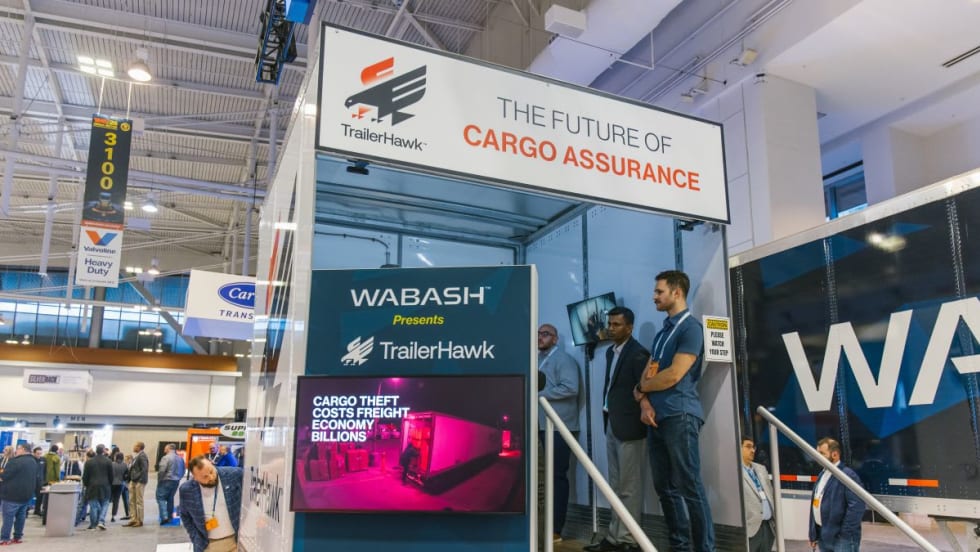
Wabash Teams Physical Security With Digital Tech For Better Cargo Visibility
The patent-pending cargo solution integrates a digitally connected cargo door and an intelligent locking system with the TrailerHawk.AI technology platform.
Read More →
From Diesel Prices to Cyberattacks: How the Iran War Is Affecting Trucking
The impact of the Iran conflict extends beyond fuel costs, bringing more fraud and cybersecurity risks to the trucking industry.
Read More →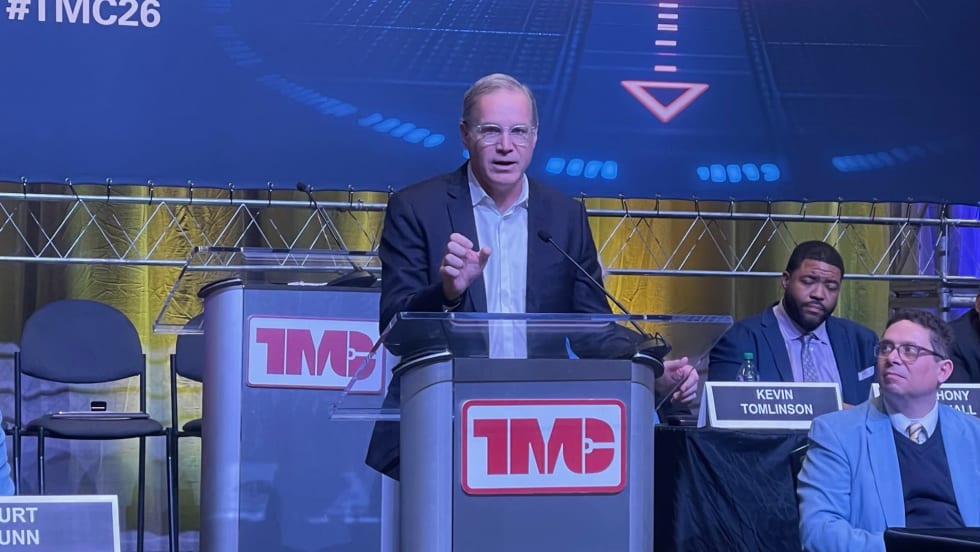
ATA’s Spear Warns Fuel Prices, Trade Policy, and Global Conflict Could Stall Trucking Recovery
Speaking at the TMC Annual Meeting in Nashville, ATA President Chris Spear said trucking faces mounting pressure from rising fuel prices, geopolitical instability, and uncertainty around trade policy.
Read More →
New Entrants, Chameleon Carriers, and Safety: Is It Too Easy to Start a Trucking Company?
More than 100,000 new trucking companies enter the industry each year, but regulators manage to audit only a fraction of them. That churn creates opportunities for inexperienced startups — and for “chameleon carriers” that shut down after safety violations and reappear under new identities. Read more from Deborah Lockridge in this commentary.
Read More →
Fleet Managers Invited to Apply for Exclusive HDT Exchange Event
HDTX is an intimate event that connects heavy-duty trucking fleet managers with industry suppliers through small-group discussions, educational sessions, and structured one-on-one meetings.
Read More →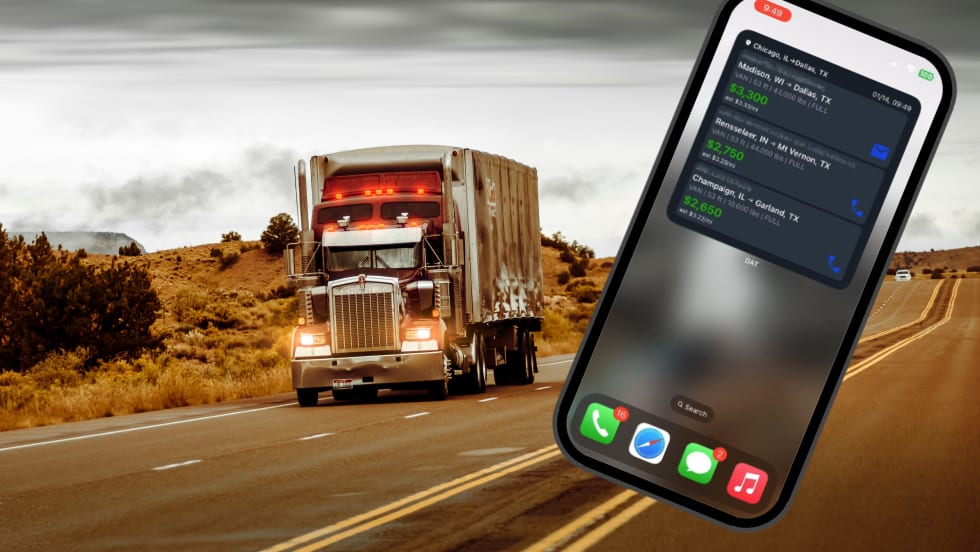
DAT Launches iPhone Widget to Help Owner-Operators Find Loads Faster
New DAT One feature shows top-paying loads directly on an iPhone’s home screen, helping carriers react faster to spot-market opportunities.
Read More →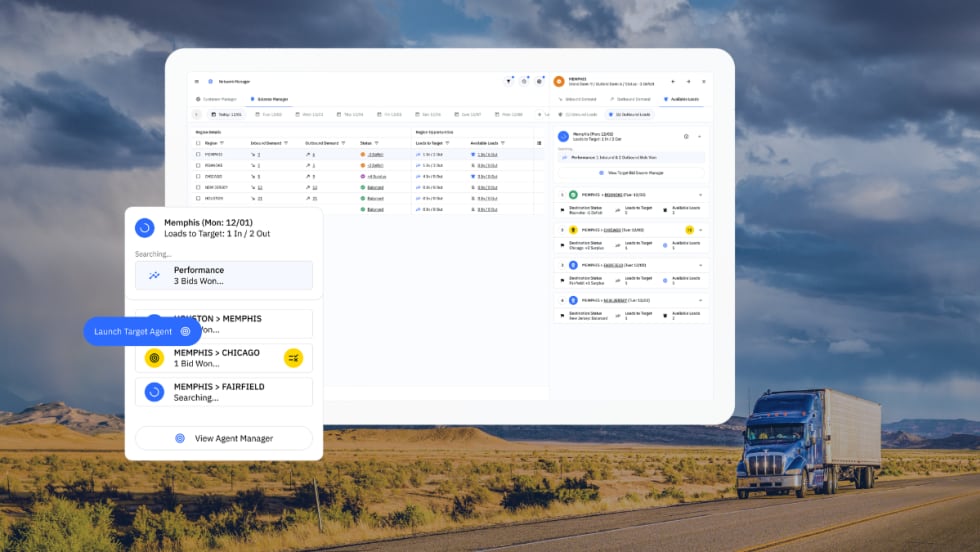
Optimal Dynamics Launches AI System to Help Carriers Choose Better Freight
Optimal Dynamics says its new Scale platform uses AI agents and optimization to help carriers find and secure freight that improves network balance and profitability.
Read More →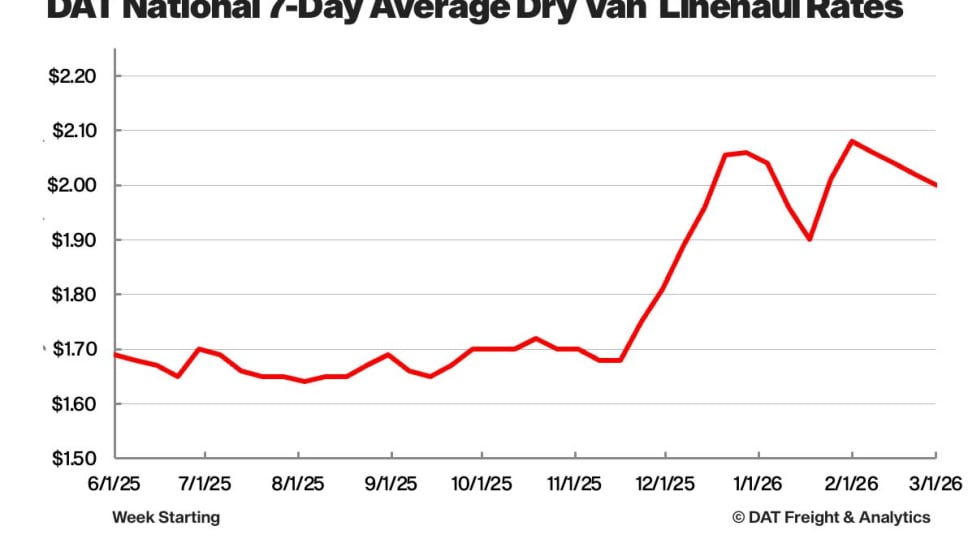
DAT: Flatbed Demand Climbs as Van and Reefer Rates Soften
DAT Freight & Analytics data shows tightening flatbed capacity, easing produce markets, and softening van and reefer rates.
Read More →
Run on Less “Messy Middle” Data Shows Multiple Paths Forward for Truck Powertrains [Watch]
NACFE's Run on Less - Messy Middle project demonstrates the power of data in helping to guide the future of alternative fuels and powertrains for heavy-duty trucks.
Read More →