



The Colorado Department of Transportation has started work on the Eastbound I-70 Peak Period Shoulder Lane project creating temporary eastbound express lane between Idaho Springs and Empire, but commercial trucks will not be able to use them.
 MENU
MENU SEARCH
The Colorado Department of Transportation has started work on the Eastbound I-70 Peak Period Shoulder Lane project creating temporary eastbound express lane between Idaho Springs and Empire, but commercial trucks will not be able to use them.

The Colorado Department of Transportation has started work on the Eastbound I-70 Peak Period Shoulder Lane project creating temporary eastbound express lane between Idaho Springs and Empire, but commercial trucks will not be able to use them.
The area is one the most heavily congested along the I-70 mountain corridor and it not uncommon for drivers traveling on Sundays during peak hours to experience speeds averaging less than 20 miles per hour.
The project will upgrade 13-miles of Eastbound I-70 with wide shoulder that, during peak travel periods, will operate as a third travel lane that will be a tolled option for motorists. The express lane will be dynamically priced to keep traffic moving meaning that prices will fluctuate depending on the amount of traffic in the tolled lane.
The project is scheduled for completion in Fall 2015.
According to the Colorado DOT using the shoulder to create an express lane within the existing I-70 right-of-way during peak periods instead of adding a full lane provides several benefits:
Reducing travel time from the Eisenhower/Johnson Memorial Tunnels to the top of Floyd Hill by as much as 48%;
Providing car drivers with the choice of a new optional lane;
Allowing for faster speeds in all lanes, thus decreasing overall traffic time; and
Improving safety.
“The 13-mile I-70 Eastbound Peak Period Shoulder Lane Project is an innovative approach to maximizing use of our existing highway infrastructure when it is needed most,” said CDOT Resident Engineer for the Mountain Corridor, Benjamin Acimovic. “By using the shoulder instead of adding a full lane, we are striving to balance the needs of the traveling public with those of the natural environment and local communities adjacent to the highway.”

ACT Research data shows volumes hitting a four-year high and supply-demand balance strengthening, but higher oil prices are undercutting tariff relief and tempering optimism.
Read More →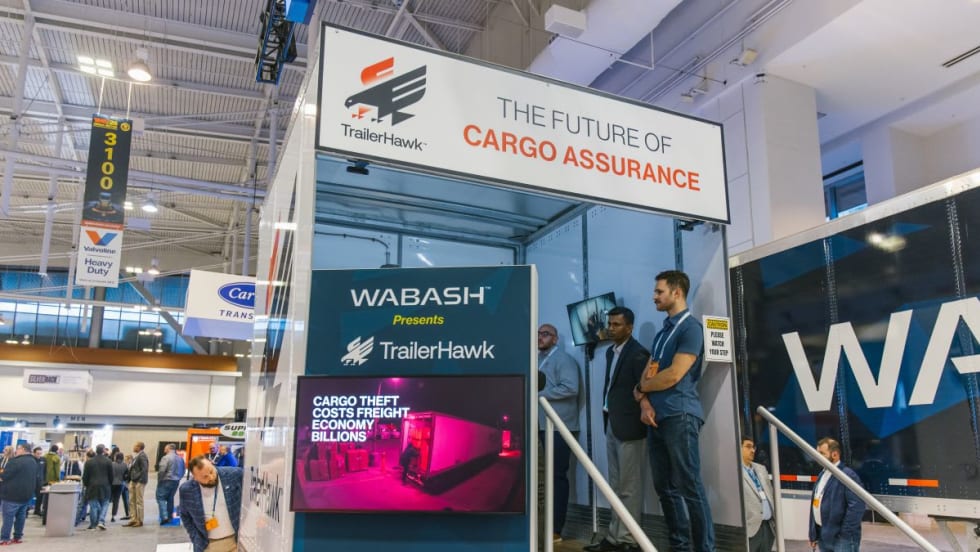
The patent-pending cargo solution integrates a digitally connected cargo door and an intelligent locking system with the TrailerHawk.AI technology platform.
Read More →
The impact of the Iran conflict extends beyond fuel costs, bringing more fraud and cybersecurity risks to the trucking industry.
Read More →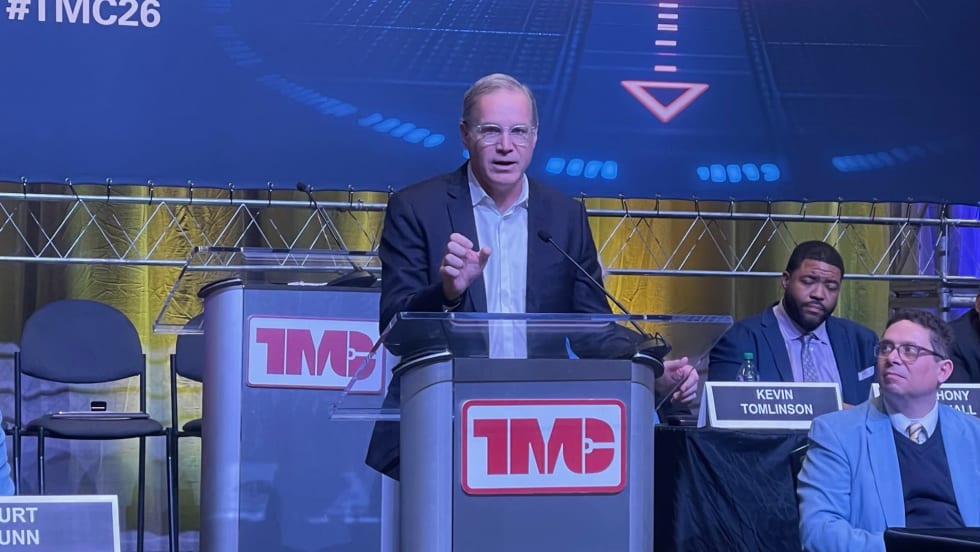
Speaking at the TMC Annual Meeting in Nashville, ATA President Chris Spear said trucking faces mounting pressure from rising fuel prices, geopolitical instability, and uncertainty around trade policy.
Read More →
More than 100,000 new trucking companies enter the industry each year, but regulators manage to audit only a fraction of them. That churn creates opportunities for inexperienced startups — and for “chameleon carriers” that shut down after safety violations and reappear under new identities. Read more from Deborah Lockridge in this commentary.
Read More →
HDTX is an intimate event that connects heavy-duty trucking fleet managers with industry suppliers through small-group discussions, educational sessions, and structured one-on-one meetings.
Read More →
New DAT One feature shows top-paying loads directly on an iPhone’s home screen, helping carriers react faster to spot-market opportunities.
Read More →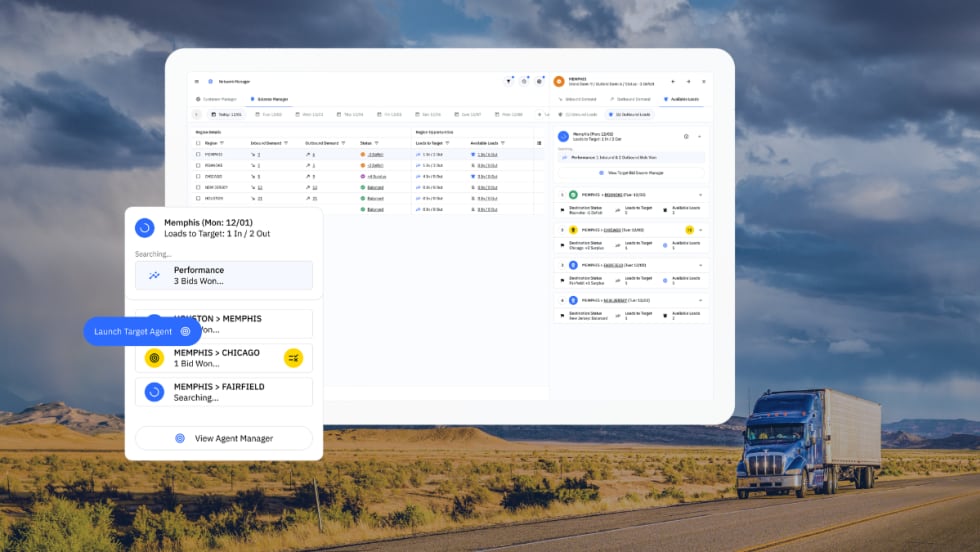
Optimal Dynamics says its new Scale platform uses AI agents and optimization to help carriers find and secure freight that improves network balance and profitability.
Read More →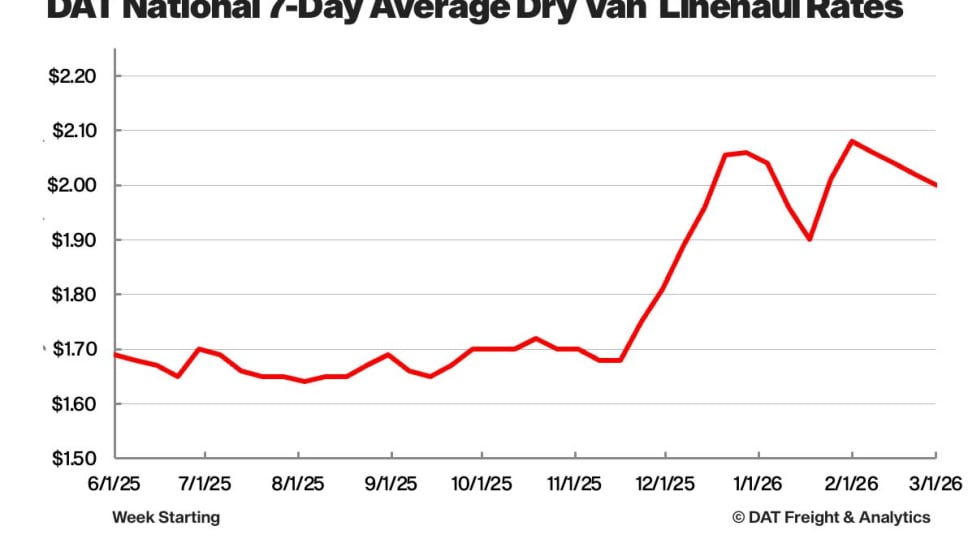
DAT Freight & Analytics data shows tightening flatbed capacity, easing produce markets, and softening van and reefer rates.
Read More →
NACFE's Run on Less - Messy Middle project demonstrates the power of data in helping to guide the future of alternative fuels and powertrains for heavy-duty trucks.
Read More →