




The Colorado Department of Transportation has released the results of the first phase Feasibility Study, which found that a reversible lane on Interstate 70 in the mountains is geometrically feasible and if implemented in the eastbound direction, could reduce travel time by about half in this direction.
However, the study also found that this would double travel time for westbound travelers and that westbound traffic is too heavy to implement a reversible lane in the eastbound direction in the summer.
This "zipper lane or reversible lane" is a highway lane that can reverse direction during peak travel times to better manage traffic. It would stretch from eastbound I-70 west of Empire Junction and continue to the base of Floyd Hill, a total project length of about 15 miles.
Adding a reversible lane in the westbound direction would provide little benefit, the study found. Even though westbound traffic is heavy on Friday afternoons and Saturday mornings, the highway is not at capacity for enough time to open the lane, which can take up to 1.5 hours to change direction. Therefore, if a reversible lane were to be implemented on I-70, it would be used only for eastbound traffic during the ski season on Sundays.
"While reversible lanes have been used with success in several states, they have not been used under the challenging conditions presented on the I-70 west mountain corridor," said Tony DeVito, CDOT region 1 director. "We know of no cases where zipper lanes have been used for such a long stretch of highway with no access in or out on a corridor with extreme weather and leaving only one lane on an Interstate highway. We are encouraged about the prospect of this project but we are proceeding cautiously to assure it provides a safe short-term solution to traffic without causing unacceptable problems for those traveling in the opposite direction or for the local communities."
This first phase Feasibility Study was conducted by the University of Arizona and the University of Colorado at Denver to take a very high-level look at the feasibility of implementing this lane under normal conditions. The primary purpose of the study was to assess what the impacts to westbound traffic would be if the highway was reduced to just one lane in this direction. It analyzed and simulated traffic operations based on collected traffic data for 236 Sundays between January 2004 and March 2010. However, it did not take into consideration inclement weather or incidents specifically.
CDOT is in the process of proceeding with the second phase of the study, working with stakeholders along I-70 to examine issues like snow removal, emergency response, wildlife, modes of operations and other environmental issues and concerns about access to local communities. CDOT plans to complete this phase by early 2011. If it is found to be safe, affordable and feasible, the system could be implemented in the 2011/2012 ski season. Policy and operational issues have not yet been discussed, nor has a method of funding the system. The system could cost between $30 and $35 million.
Colorado Eyes Reversible Lane on I-70
The Colorado Department of Transportation has released the results of the first phase Feasibility Study, which found that a reversible lane on Interstate 70 in the mountains is geometrically feasible and if implemented in the eastbound direction, could reduce travel time by about half in this direction
More Drivers

FMCSA Extends Paper Medical Card Exemption … Again
Five states still aren't ready to accept commercial driver medical exam information directly from the medical examiner's registry.
Read More →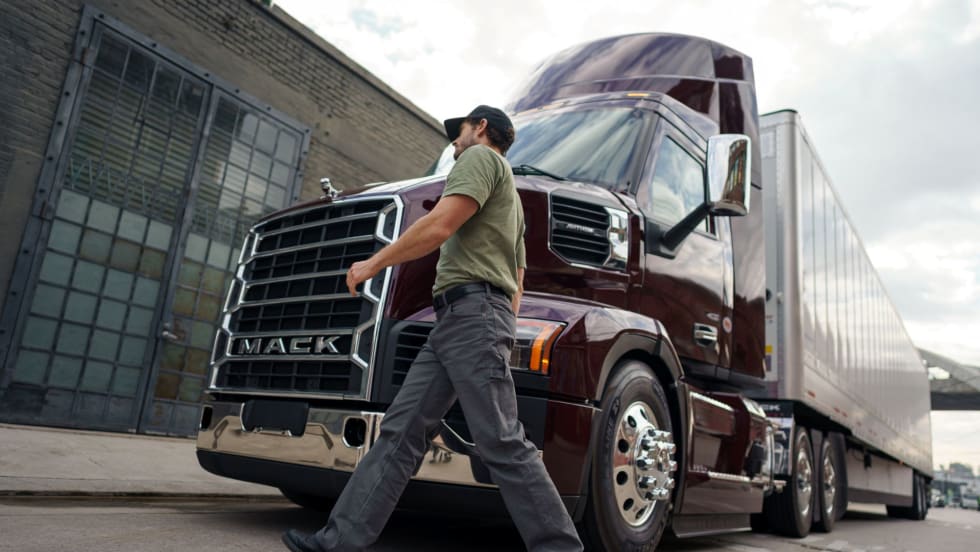
Mack Launches Digital Driver Guide for Chassis-Specific Truck Info
Mack’s new, virtual owner’s manual delivers VIN-based, on-demand guidance for vehicle systems via web, app, and soon in-cab displays.
Read More →
Western Star Showcases Truckers' Pride and Skill
Western Star is expanding its Star Nation Experience in 2026, adding new competitions and dealer participation to highlight operator skills and promote careers in trucking.
Read More →
Best Fleets to Drive For: Two Carriers Earn Overall Award for First Time
CarriersEdge announced the 2026 Best Fleets to Drive For overall winners, with Crawford Trucking, Fortigo Freight Services, and FTC Transportation receiving top awards.
Read More →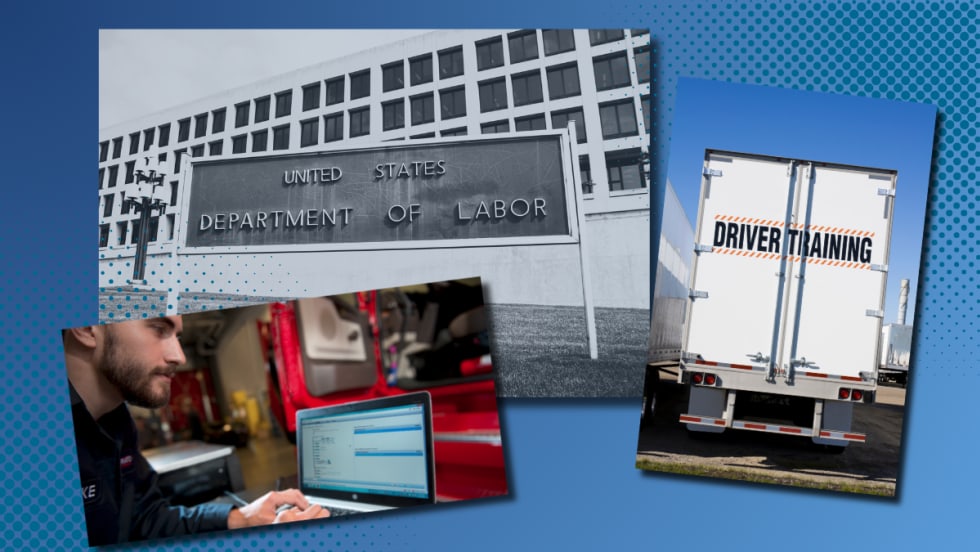
Federal Proposal Would Allow Pell Grants for Shorter-Term Job Training
The Department of Labor plans to expand Pell Grant eligibility to some shorter workforce training programs, a move the American Trucking Associations said will help strengthen commercial driver training schools and diesel technician training programs.
Read More →
Owner-Operator Model Gets Boost as DOL Proposes 2024 Independent Contractor Definition Reversal
For an industry that has watched this issue go back and forth for years, the independent contractor proposal marks the latest swing in the regulatory pendulum.
Read More →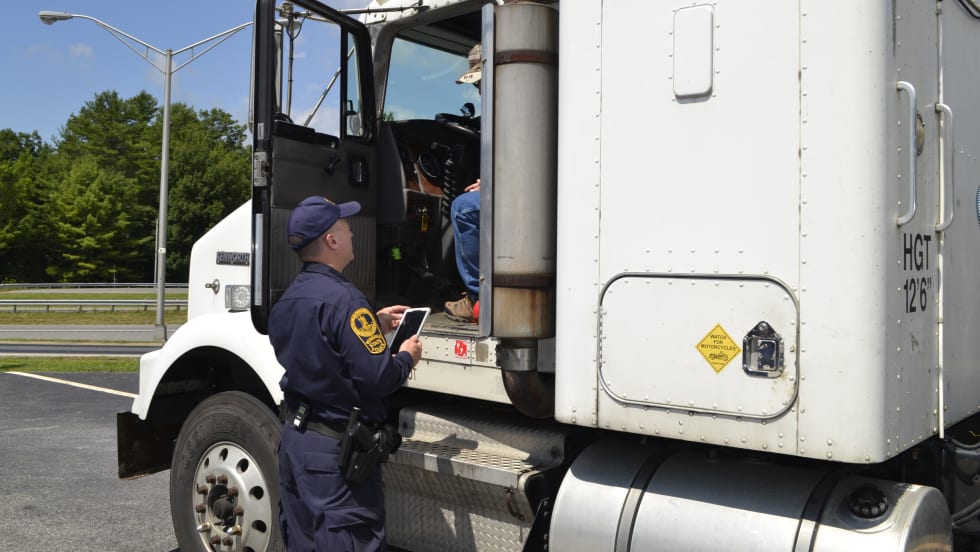
FMCSA Reinstates Field Warrior ELD to Registered Device List
One electronic logging device has been reinstated to the FMCSA's list of registered ELDs.
Read More →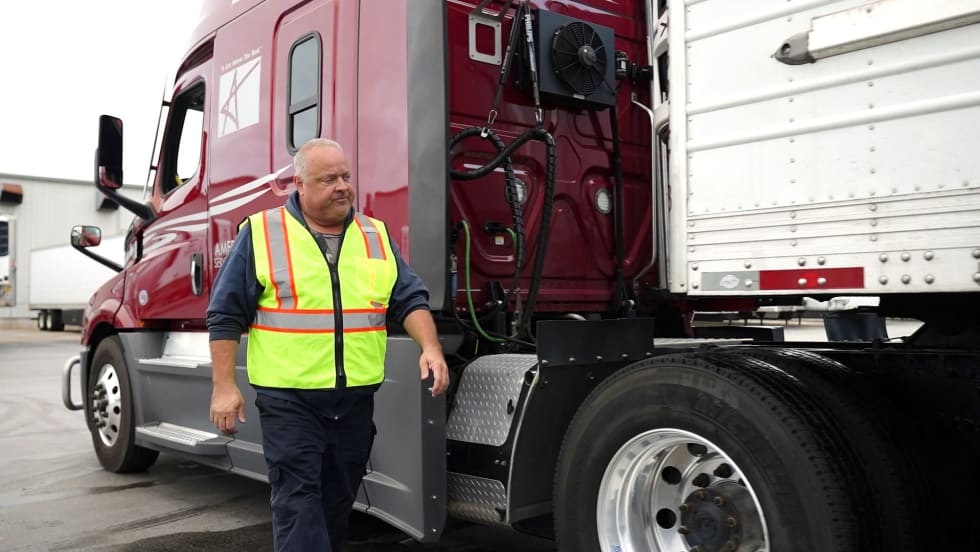
How One Company is Using Smart Suspension Technology to Reduce Driver Injuries and Improve Retention
America’s Service Line adopted Link’s SmartValve and ROI Cabmate systems to address whole-body vibration, repetitive strain, and driver turnover. The trucking fleet is already seeing measurable results.
Read More →
CarriersEdge Announces 2026 Best Fleets to Drive For
The 18th annual contest recognizing the best workplaces for truck drivers sees changes to Top 20, Hall of Fame
Read More →
FMCSA Targets 550+ ‘Sham’ CDL Schools in Nationwide Sting Operation
The Federal Motor Carrier Safety Administration issued more than 550 notices of proposed removal to commercial driver training providers following a five-day nationwide enforcement sweep. Investigators cited unqualified instructors, improper training vehicles, and failure to meet federal and state requirements.
Read More →