



Connecticut Gov. Dannel Malloy has signed legislation creating the Connecticut Port Authority, which will act as a quasi-public agency to market and coordinate the development of the state’s ports and maritime economy.
 MENU
MENU SEARCH
Connecticut Gov. Dannel Malloy has signed legislation creating the Connecticut Port Authority, which will act as a quasi-public agency to market and coordinate the development of the state’s ports and maritime economy.
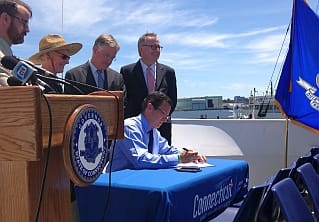
Connecticut Gov. Dannel Malloy has signed legislation creating the Connecticut Port Authority, which will act as a quasi-public agency to market and coordinate the development of the state’s ports and maritime economy.
Both chambers of the General Assembly passed the legislation unanimously in May.
The CPA's primary role will be to coordinate port and maritime economic development, establish a statewide port marketing strategy, and serve as the lead agency in seeking federal and state funding for infrastructure improvements such as dredging
“Connecticut's three deep water ports in New London, New Haven and Bridgeport are important assets for attracting investment, expanding business development and creating jobs, all of which are keys to our economic recovery,” said Malloy. “Working off of the recommendations of our Deep Water Port Strategy Study, we are taking steps to support Connecticut’s maritime industries by strengthening the economic potential of our deep water resources.”
He said with this new structure in place, a renewed focus at the state level and a comprehensive strategy, he believes Connecticut's ports will be in a stronger position to attract more private investment and import and export business while “also taking trucks off of our congested highways.”
The new authority will be established on October 1, 2015. In the interim, the legislation charges the Department of Economic and Community Development to develop, in partnership with state agencies, a business and operating plan for the consideration of the new Authority's board as well as to make recommendations to the Governor and Assembly with respect to additional legislation that would accelerate port development.
The legislation also creates a Port Authority Working Group comprised of representatives of the maritime industry, labor and the deep water port municipalities, which is charged with making recommendations for DECD to consider in the development of the business and operating plan and recommendations to the Governor and Assembly.
“Our ports are important intermodal gateways to Connecticut and New England highways and rail lines moving an array of consumer goods such as lumber, steel, salt and petroleum products,” said Connecticut Department of Transportation Commissioner James P. Redeker. “With a smart, coordinated marketing and promotional plan, we will be in a position to attract more business and further boost the regional economy.”
In 2011, Malloy commissioned the Connecticut Deep Water Port Strategy Study to guide the development of a long-term economic development strategy for the deep water ports in Bridgeport, New Haven, and New London. The study analyzes the strengths and deficiencies of Connecticut’s ports, makes recommendations to protect existing commercial operations at these ports, and identifies new opportunities for business growth.

ACT Research data shows volumes hitting a four-year high and supply-demand balance strengthening, but higher oil prices are undercutting tariff relief and tempering optimism.
Read More →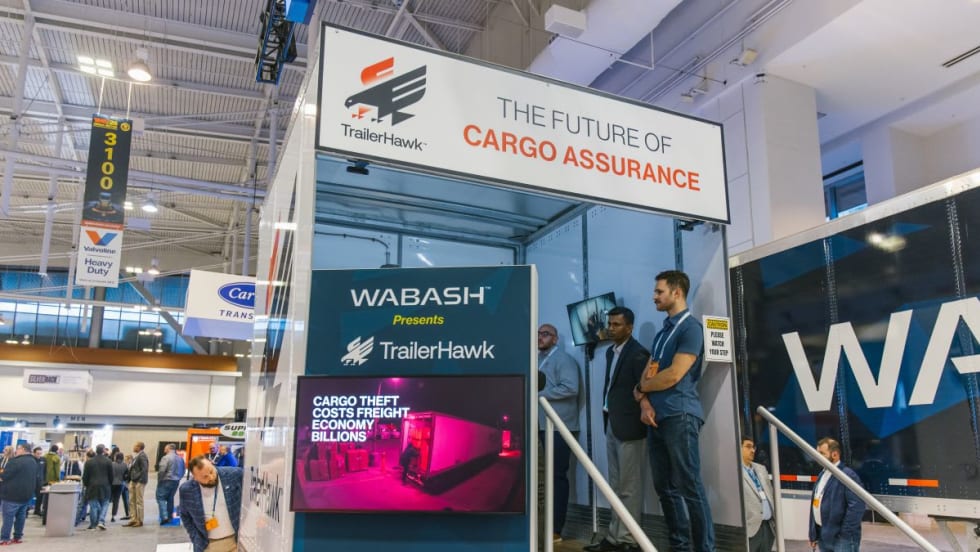
The patent-pending cargo solution integrates a digitally connected cargo door and an intelligent locking system with the TrailerHawk.AI technology platform.
Read More →
The impact of the Iran conflict extends beyond fuel costs, bringing more fraud and cybersecurity risks to the trucking industry.
Read More →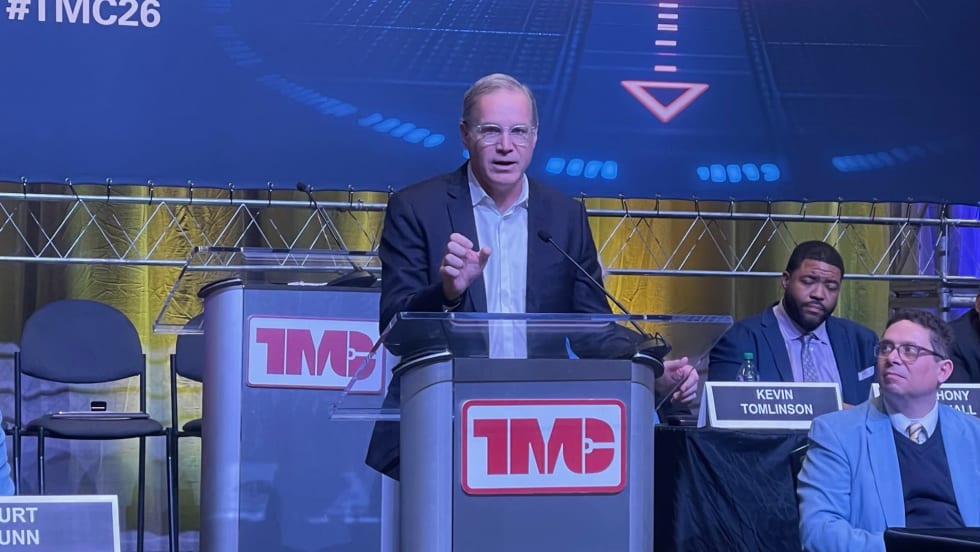
Speaking at the TMC Annual Meeting in Nashville, ATA President Chris Spear said trucking faces mounting pressure from rising fuel prices, geopolitical instability, and uncertainty around trade policy.
Read More →
More than 100,000 new trucking companies enter the industry each year, but regulators manage to audit only a fraction of them. That churn creates opportunities for inexperienced startups — and for “chameleon carriers” that shut down after safety violations and reappear under new identities. Read more from Deborah Lockridge in this commentary.
Read More →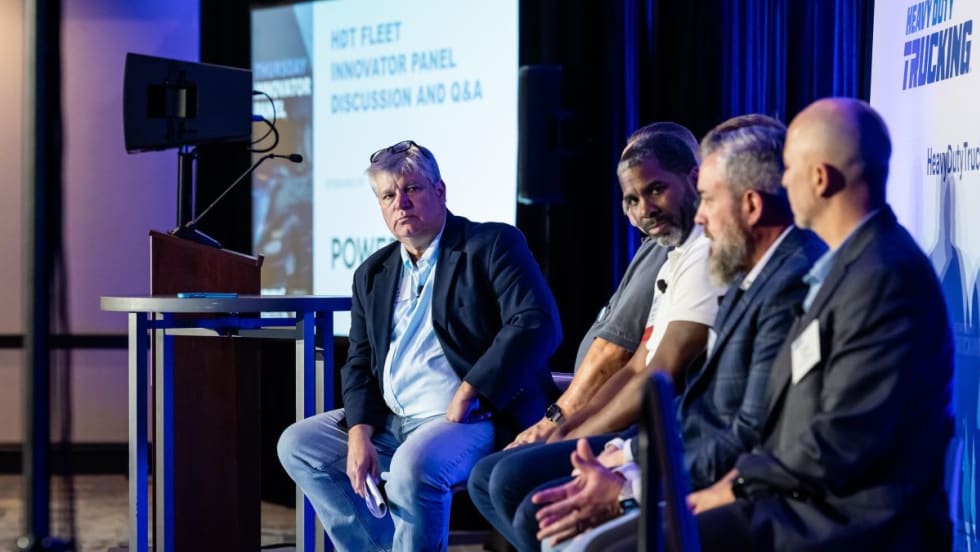
HDTX is an intimate event that connects heavy-duty trucking fleet managers with industry suppliers through small-group discussions, educational sessions, and structured one-on-one meetings.
Read More →
New DAT One feature shows top-paying loads directly on an iPhone’s home screen, helping carriers react faster to spot-market opportunities.
Read More →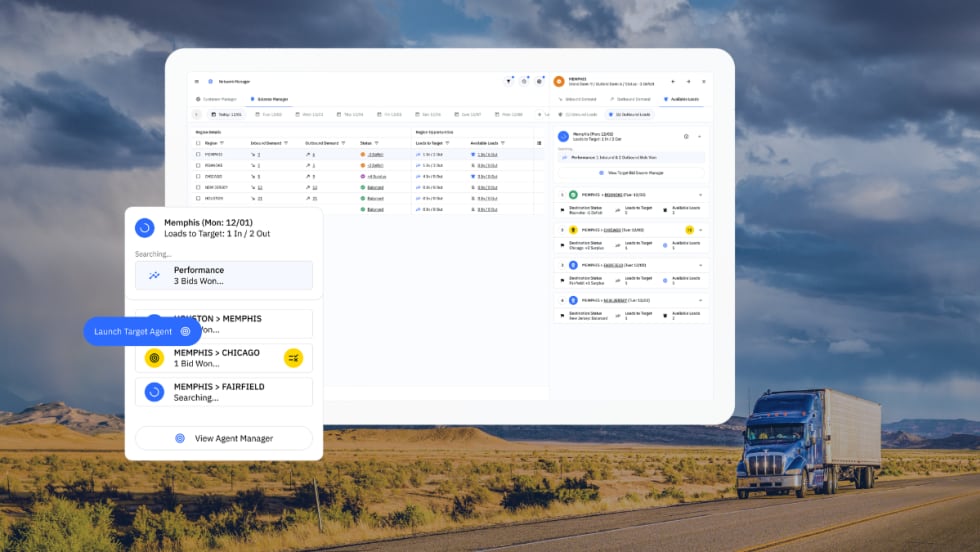
Optimal Dynamics says its new Scale platform uses AI agents and optimization to help carriers find and secure freight that improves network balance and profitability.
Read More →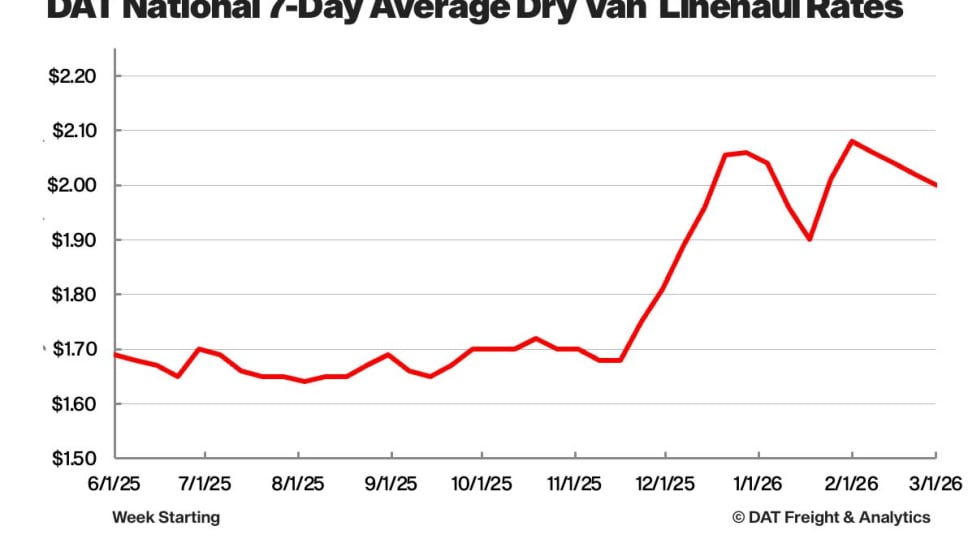
DAT Freight & Analytics data shows tightening flatbed capacity, easing produce markets, and softening van and reefer rates.
Read More →
NACFE's Run on Less - Messy Middle project demonstrates the power of data in helping to guide the future of alternative fuels and powertrains for heavy-duty trucks.
Read More →