



A federal court has ruled against New York State’s practice of using tolls paid by interstate truckers to finance the unrelated tourism and recreation projects that make up the New York Canal System.
 MENU
MENU SEARCH
A federal court has ruled against New York State’s practice of using tolls paid by interstate truckers to finance the unrelated tourism and recreation projects that make up the New York Canal System.

Photo: Bill Blevins via Flickr
A federal court has ruled against New York State’s practice of using tolls paid by interstate truckers to finance the unrelated tourism and recreation projects that make up the New York Canal System.
The U.S. District Court ruled that using toll revenue in that way violates the Constitution’s Dormant Commerce Cause because the money is diverted away from interests that actually benefit trucking. The conflicting interests are centered around the Thruway Authority, which charges tolls for the use of several major arteries of interstate commerce but also owns the canal system.
The Thruway Authority has spent over 1.1 billion since 2012 maintaining and funding the canal system, with costs reaching over $100 million annually.
“The canal system is a jewel in the crown of the Empire State, and some combination of New York taxpayers, local businesses benefitting from tourism revenue and the actual users of the Canal System’s many facilities should want to pay for its upkeep,” stated the Court. “But … the State of New York cannot insulate the Canal System from the vagaries of the political process and taxpayer preferences by imposing the cost of its upkeep on those on drive the New York Thruway in interstate commerce.”
American Trucking Associations expressed support for the ruling.
“ATA believed that the courts and Constitution were clear – revenue from tolls must be spent maintaining the roads they’re collected on and not diverted to finance bike paths and waterways for recreational kayaking and canoeing,” said Chris Spear, ATA president and CEO. “We hope today’s ruling will not only end this practice in New York, but dissuade other states from financing their budget shortfalls on the backs of our industry.”

ACT Research data shows volumes hitting a four-year high and supply-demand balance strengthening, but higher oil prices are undercutting tariff relief and tempering optimism.
Read More →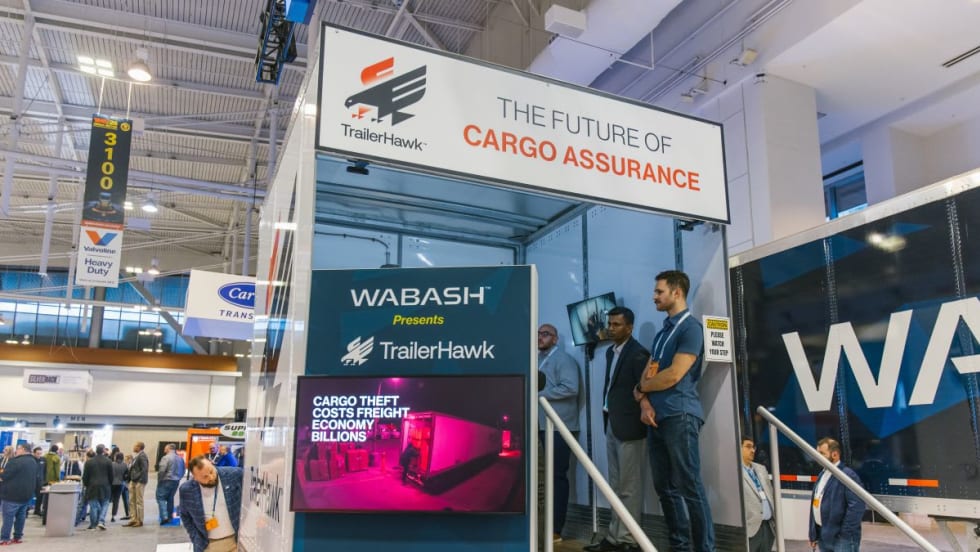
The patent-pending cargo solution integrates a digitally connected cargo door and an intelligent locking system with the TrailerHawk.AI technology platform.
Read More →
The impact of the Iran conflict extends beyond fuel costs, bringing more fraud and cybersecurity risks to the trucking industry.
Read More →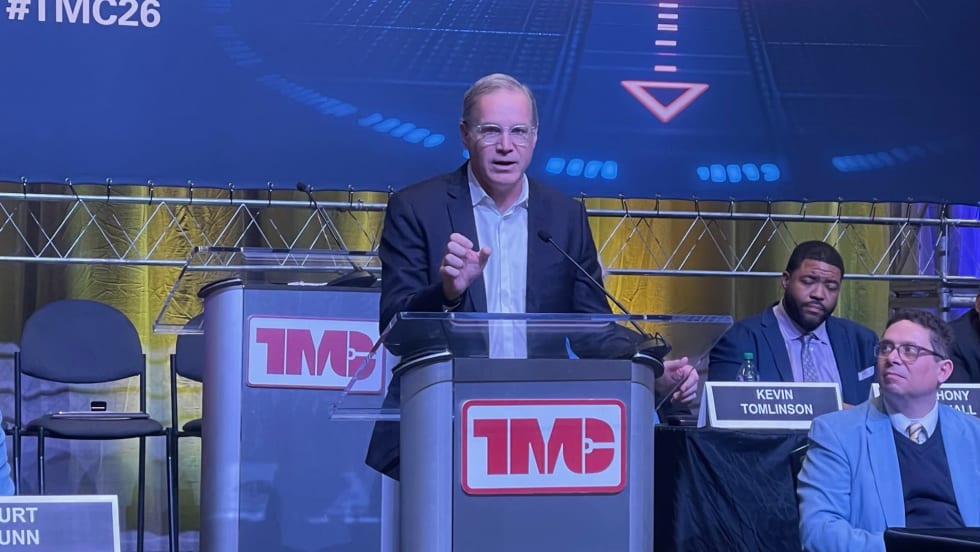
Speaking at the TMC Annual Meeting in Nashville, ATA President Chris Spear said trucking faces mounting pressure from rising fuel prices, geopolitical instability, and uncertainty around trade policy.
Read More →
More than 100,000 new trucking companies enter the industry each year, but regulators manage to audit only a fraction of them. That churn creates opportunities for inexperienced startups — and for “chameleon carriers” that shut down after safety violations and reappear under new identities. Read more from Deborah Lockridge in this commentary.
Read More →
HDTX is an intimate event that connects heavy-duty trucking fleet managers with industry suppliers through small-group discussions, educational sessions, and structured one-on-one meetings.
Read More →
New DAT One feature shows top-paying loads directly on an iPhone’s home screen, helping carriers react faster to spot-market opportunities.
Read More →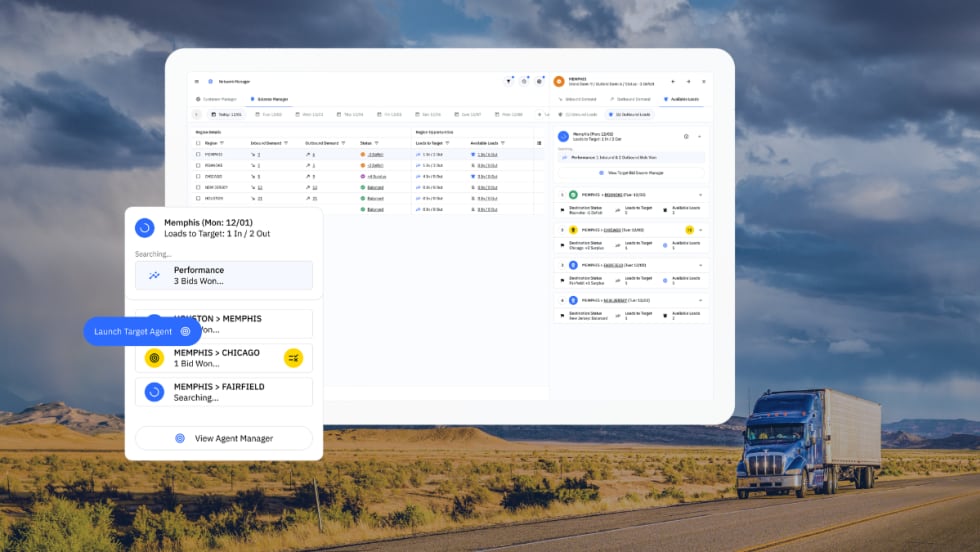
Optimal Dynamics says its new Scale platform uses AI agents and optimization to help carriers find and secure freight that improves network balance and profitability.
Read More →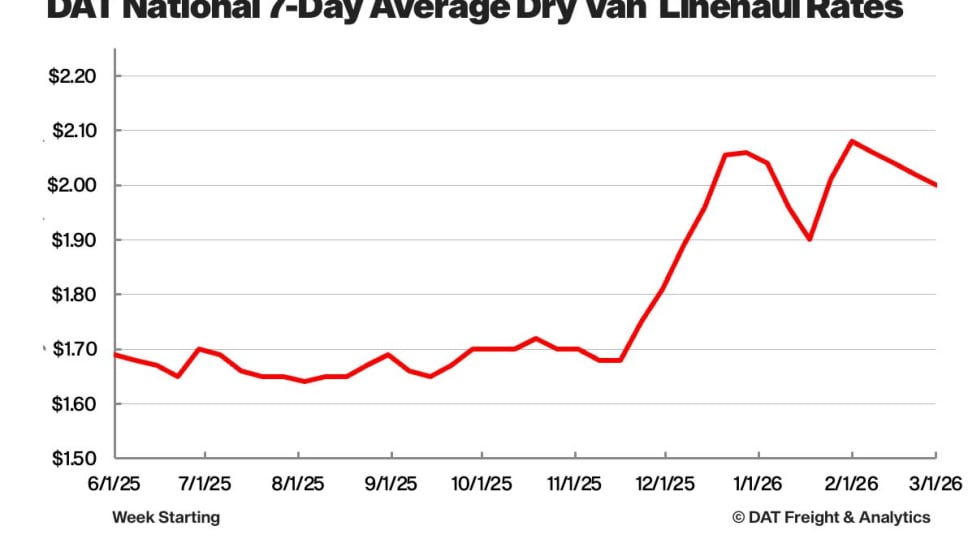
DAT Freight & Analytics data shows tightening flatbed capacity, easing produce markets, and softening van and reefer rates.
Read More →
NACFE's Run on Less - Messy Middle project demonstrates the power of data in helping to guide the future of alternative fuels and powertrains for heavy-duty trucks.
Read More →