



The Federal Motor Carrier Safety Administration will release its study on crash accountability in the next couple of weeks, said Jack Van Steenburg, the agency’s chief safety officer.
 MENU
MENU SEARCH
The Federal Motor Carrier Safety Administration will release its study on crash accountability in the next couple of weeks, said Jack Van Steenburg, the agency’s chief safety officer.

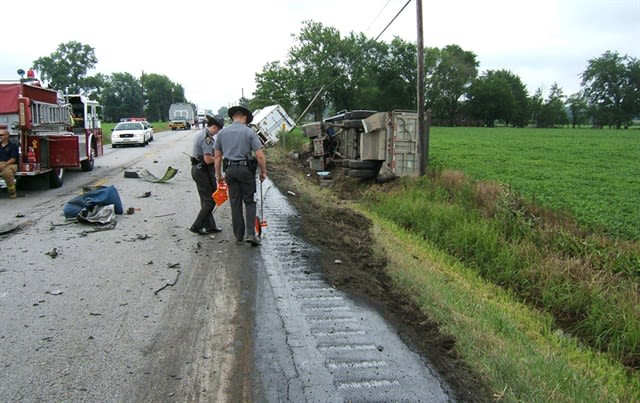
Photo: Ohio State Patrol
The Federal Motor Carrier Safety Administration will release its study on crash accountability in the next couple of weeks, said Jack Van Steenburg, the agency’s chief safety officer.
Van Steenburg was responding to a question at the Transportation Research Board meeting in Washington, D.C., on Tuesday.
The study is likely to reignite the long-simmering controversy over how the agency accounts for fault in crashes recorded in its Compliance, Safety Accountability safety enforcement system. CSA uses roadside inspection and traffic enforcement data to find the carriers most in need of enforcement action.
The agency includes non-fault crashes in the CSA Safety Measurement System because its ability to distinguish fault is limited and there is a statistical probability that some of the crashes will be the carrier’s fault.
The agency and safety advocacy groups contend that past crashes are a predictor of future crash risk no matter who is at fault. Carriers say it is illogical and wrong to include non-fault crashes in a system that measures safety performance.
The agency studied the issue and has drafted a report that is supposed to outline a possible solution. The study will address three core questions:
Are police accident reports reliable enough to determine accountability?
Will a system that includes accountability be a better predictor of future safety than one that does not?
And, how should the agency manage the process, giving the public a chance to participate?
An additional issue likely to surface in the report is the question of cost: Will the expense of determining fault be worth the value it achieves?

ACT Research data shows volumes hitting a four-year high and supply-demand balance strengthening, but higher oil prices are undercutting tariff relief and tempering optimism.
Read More →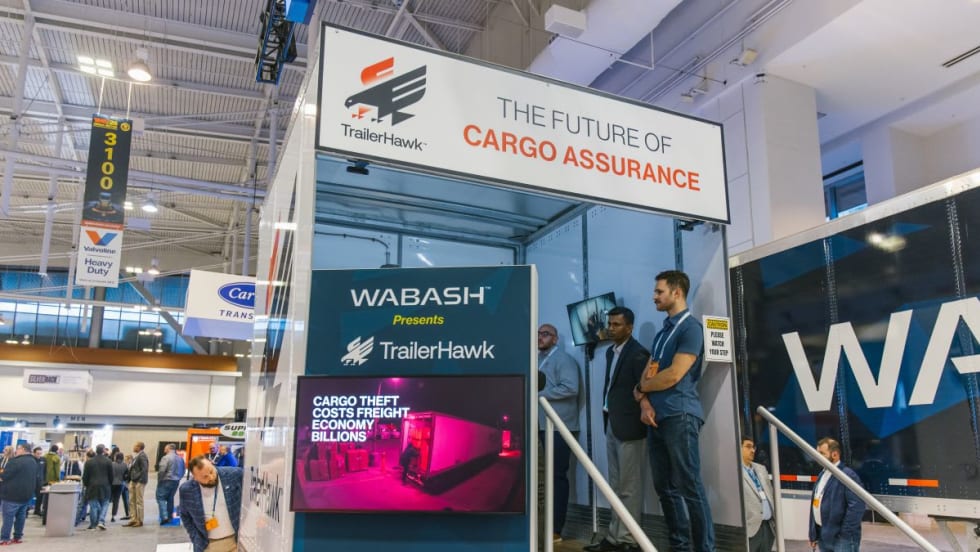
The patent-pending cargo solution integrates a digitally connected cargo door and an intelligent locking system with the TrailerHawk.AI technology platform.
Read More →
The impact of the Iran conflict extends beyond fuel costs, bringing more fraud and cybersecurity risks to the trucking industry.
Read More →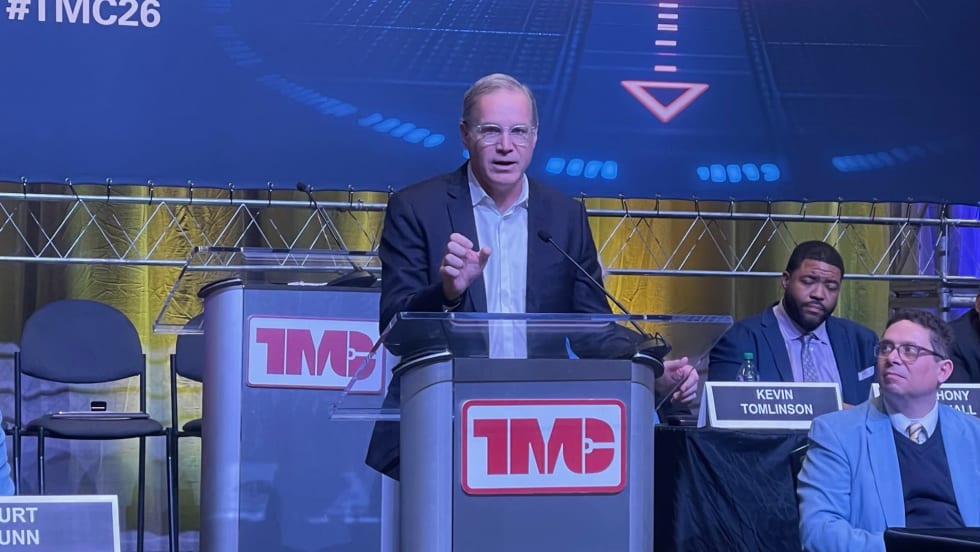
Speaking at the TMC Annual Meeting in Nashville, ATA President Chris Spear said trucking faces mounting pressure from rising fuel prices, geopolitical instability, and uncertainty around trade policy.
Read More →
More than 100,000 new trucking companies enter the industry each year, but regulators manage to audit only a fraction of them. That churn creates opportunities for inexperienced startups — and for “chameleon carriers” that shut down after safety violations and reappear under new identities. Read more from Deborah Lockridge in this commentary.
Read More →
HDTX is an intimate event that connects heavy-duty trucking fleet managers with industry suppliers through small-group discussions, educational sessions, and structured one-on-one meetings.
Read More →
New DAT One feature shows top-paying loads directly on an iPhone’s home screen, helping carriers react faster to spot-market opportunities.
Read More →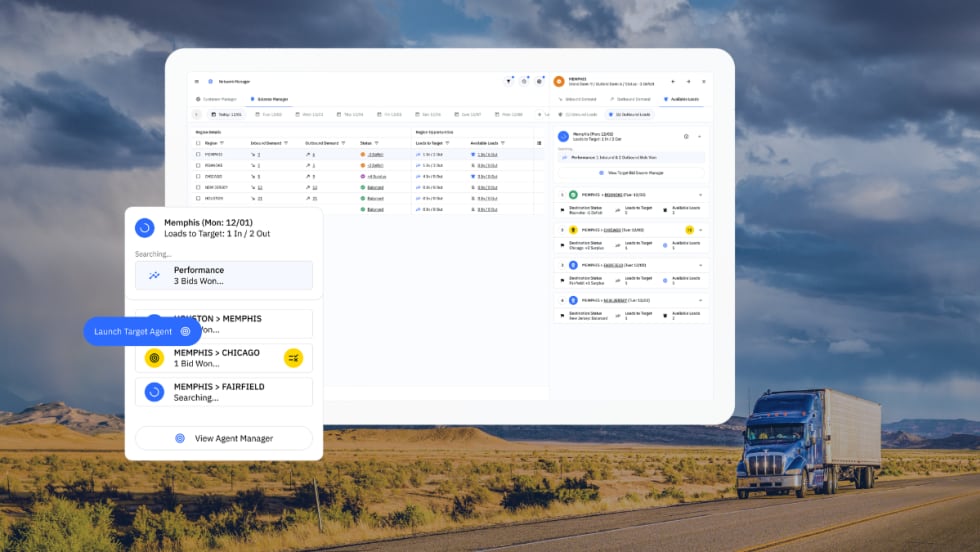
Optimal Dynamics says its new Scale platform uses AI agents and optimization to help carriers find and secure freight that improves network balance and profitability.
Read More →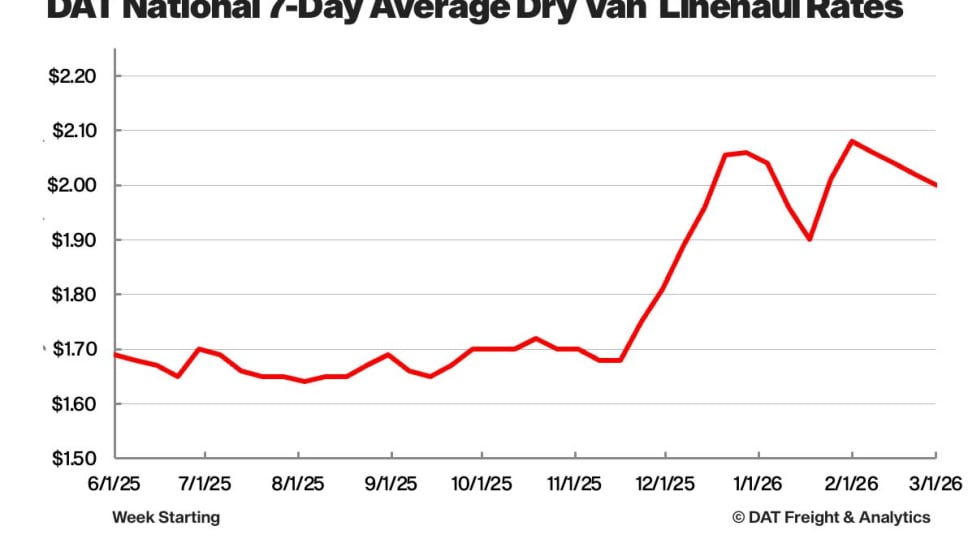
DAT Freight & Analytics data shows tightening flatbed capacity, easing produce markets, and softening van and reefer rates.
Read More →
NACFE's Run on Less - Messy Middle project demonstrates the power of data in helping to guide the future of alternative fuels and powertrains for heavy-duty trucks.
Read More →