



Denso has launched a satellite research and development team in Israel, aimed at accelerating advanced technologies such as automated driving, cybersecurity. and artificial intelligence.
 MENU
MENU SEARCH
Denso Corporation has launched a satellite research and development team in Israel, aimed at accelerating advanced technologies such as automated driving, cybersecurity and artificial intelligence.
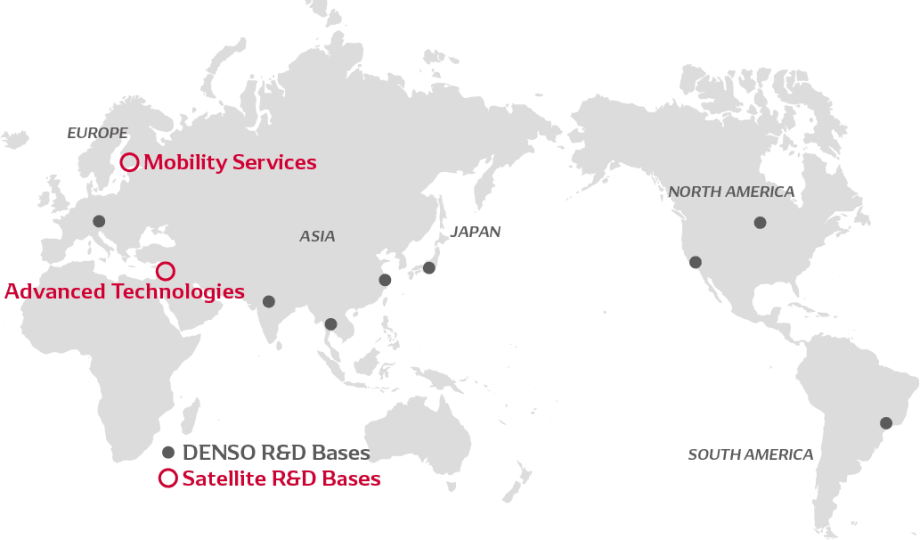
Denso wants to tap into the startup culture in Israel for transportation technology research and development. Image: Denso
Denso has launched a satellite research and development team in Israel, aimed at accelerating advanced technologies such as automated driving, cybersecurity. and artificial intelligence.
In April, Denso’s R&D satellite will begin collaborating with local startups to pioneer new technologies. Denso is looking to tap into Israel’s technology strengths to quickly develop more competitive technologies, both internally and through collaborative research with local companies and universities.
Denso’s satellite R&D activities in Israel build on the country’s surge in surge in innovative technologies in fields spanning cybersecurity, telecommunications, AI, sensing, and software. According to Denso, Israeli companies and tech startups have an established track record for successful collaboration with companies overseas, and are expected to play a major role in global innovation across a number of fields.
Denso is in the process of establishing global satellite R&D operations in key regions. The company recently announced an initiative to broaden R&D capabilities outside Japan, and in 2017, started satellite R&D activities in Helsinki, Finland, focusing on creating advanced technologies and services.
The Japanese company distributes R&D functions around the world and works with universities, research institutions, startups, and other partners to develop competitive products and technologies tailored to customers and regional characteristics.
ACT Research data shows volumes hitting a four-year high and supply-demand balance strengthening, but higher oil prices are undercutting tariff relief and tempering optimism.
Read More →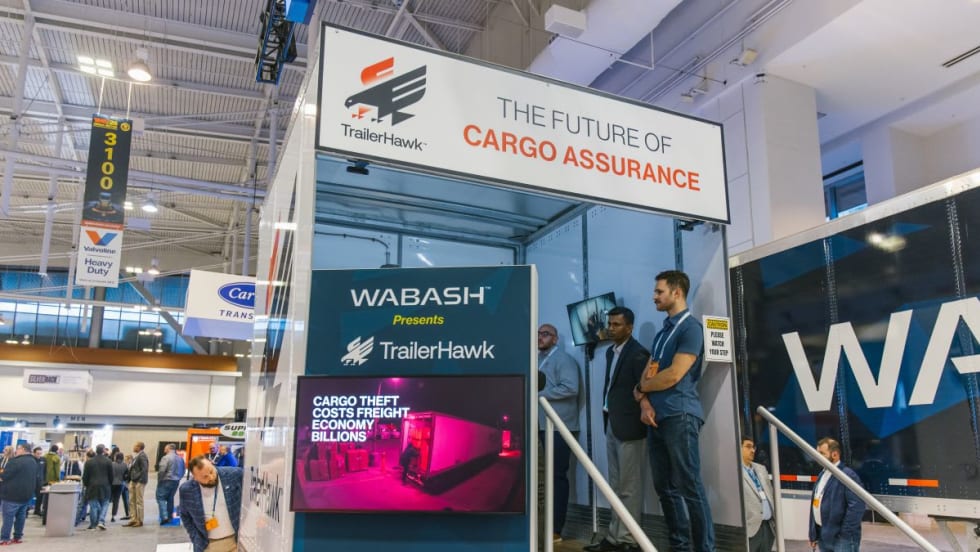
The patent-pending cargo solution integrates a digitally connected cargo door and an intelligent locking system with the TrailerHawk.AI technology platform.
Read More →
The impact of the Iran conflict extends beyond fuel costs, bringing more fraud and cybersecurity risks to the trucking industry.
Read More →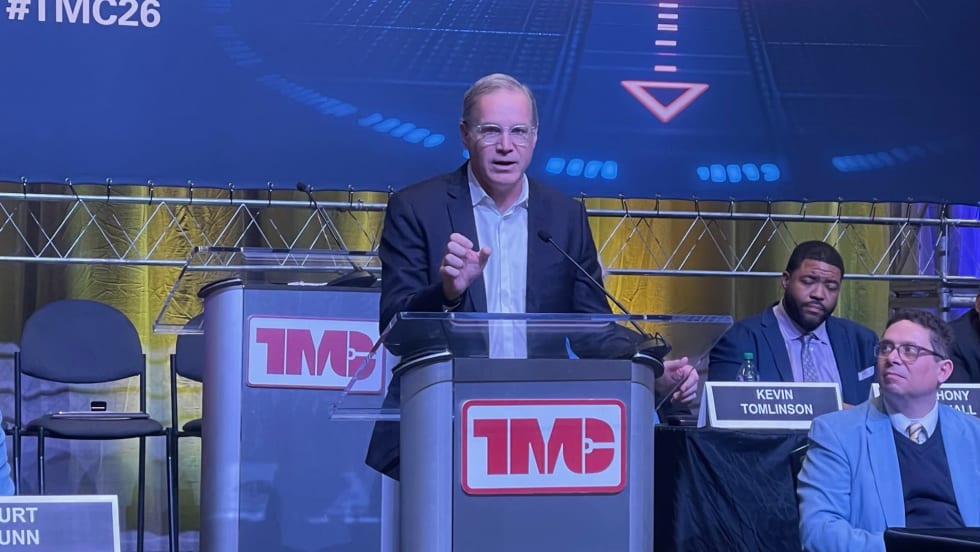
Speaking at the TMC Annual Meeting in Nashville, ATA President Chris Spear said trucking faces mounting pressure from rising fuel prices, geopolitical instability, and uncertainty around trade policy.
Read More →
More than 100,000 new trucking companies enter the industry each year, but regulators manage to audit only a fraction of them. That churn creates opportunities for inexperienced startups — and for “chameleon carriers” that shut down after safety violations and reappear under new identities. Read more from Deborah Lockridge in this commentary.
Read More →
HDTX is an intimate event that connects heavy-duty trucking fleet managers with industry suppliers through small-group discussions, educational sessions, and structured one-on-one meetings.
Read More →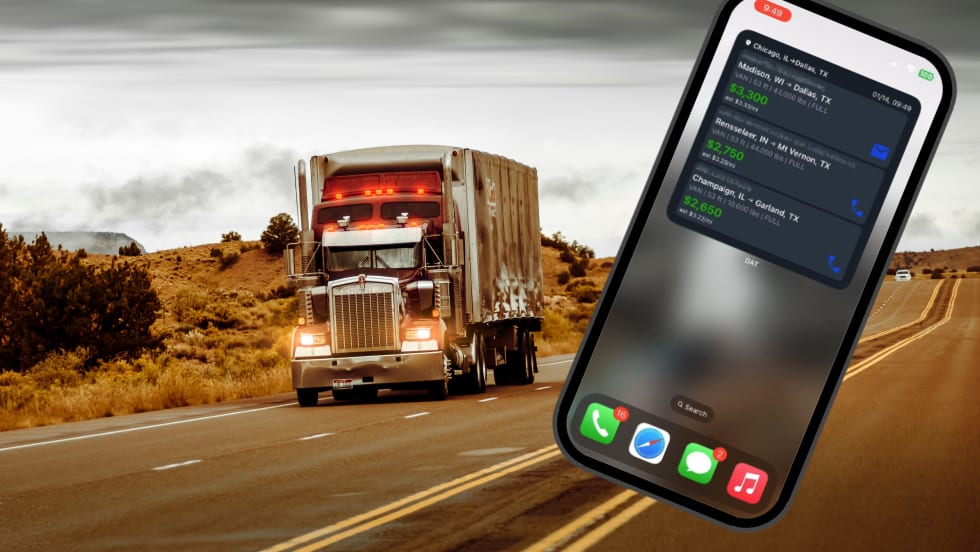
New DAT One feature shows top-paying loads directly on an iPhone’s home screen, helping carriers react faster to spot-market opportunities.
Read More →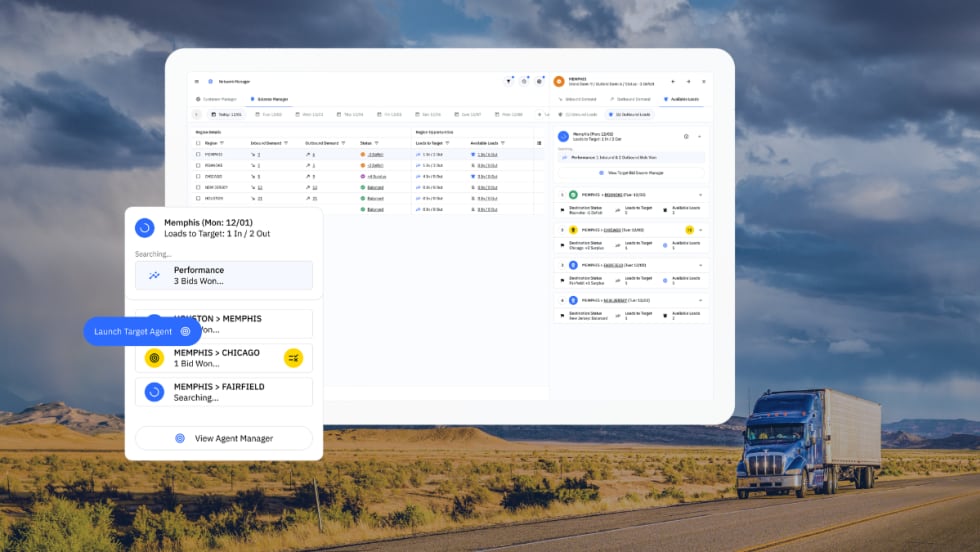
Optimal Dynamics says its new Scale platform uses AI agents and optimization to help carriers find and secure freight that improves network balance and profitability.
Read More →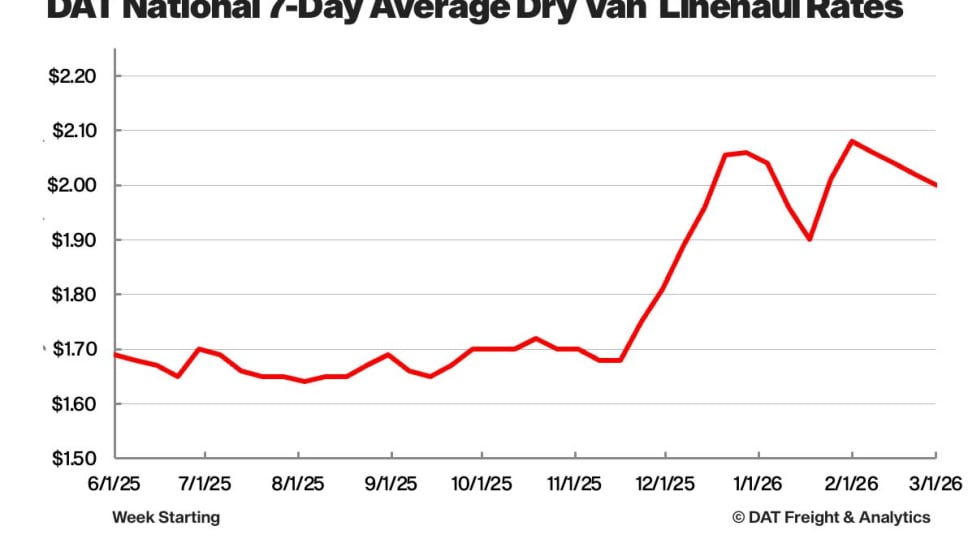
DAT Freight & Analytics data shows tightening flatbed capacity, easing produce markets, and softening van and reefer rates.
Read More →
NACFE's Run on Less - Messy Middle project demonstrates the power of data in helping to guide the future of alternative fuels and powertrains for heavy-duty trucks.
Read More →