





DHL Supply Chain is deploying its first Class 8 electric trucks in North America, calling it a significant milestone in its commitment to clean and efficient trucking operations.
DHL Begins Class 8 Electric Truck Operations in North America
DHL said it will begin operating Class 8 electric delivery trucks in several states and that early results show reductions in energy costs and improved driver satisfaction.
December 19, 2023
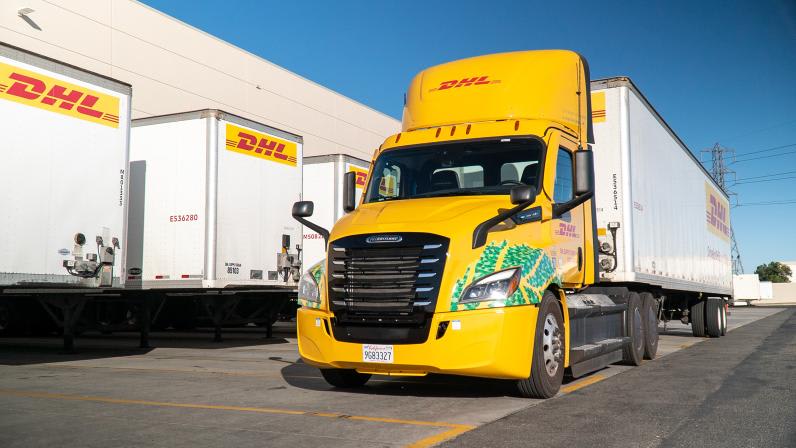
DHL currently has two trucks in operation in California and will soon take delivery of an additional 11 units for use in other states.
Photo: DHL
3 min to read
DHL currently has two trucks in operation in California and in the coming weeks will take delivery of 11 more, to be deployed across Ohio, North Carolina, Pennsylvania, and California.
DHL: BEV Trucks Offer Operational Advantages
DHL said its electric trucks offer advantages including the following:
Zero tailpipe emissions: Electric vehicles are considered zero-emission technology, which means they do not produce any tailpipe carbon dioxide or nitrogen oxide emissions. Each EV that replaces a diesel truck saves, on average, 100 tons of CO2 annually.
Energy conservation: A six-month DHL Supply Chain pilot of a Class 8 EV truck revealed that the truck consumed on average 50% less energy for the same job compared to its diesel counterpart.
Extended range: The EV trucks get up to 250 miles on a single charge, covering the needs of many regional haul routes.
Right-sized charging: Equipped with fast-charging technology and remote monitoring capabilities, the EV trucks enable turnaround times that are aligned with DHL's operational requirements.
Powerful performance: The EV trucks deliver superior horsepower and torque compared to their diesel counterparts, according to DHL
Improved driver satisfaction: During the pilot, drivers shared a preference for the BEV truck over diesel due to its ‘quietness’ and low to no vibrations, leading to less fatigue.
"Our commitment to sustainability extends beyond reducing our environmental impact," said Jim Monkmeyer, president of transportation, DHL Supply Chain.
"We see electric trucks as a strategic investment that offers numerous advantages for our company and the communities we serve. From improved efficiency and a better driving experience, to reduced air and noise pollution, electric trucks are the future of transportation."
Fueling Green Innovation
DHL said it has been an early adopter of EV technology, having deployed more than 30,000 light- to-heavy duty EVs worldwide.
By being an early adopter, the company said, DHL Supply Chain has been able to pilot and learn how best to implement green technologies to enhance productivity and improve operational efficiencies.
In 2023 it added 30 new electric yard trucks, totaling 60 vehicles currently in operation in North America. The company has also continued phasing out propane-powered material handling equipment such as forklifts, replacing them with electric ones.
“We’re building a comprehensive ecosystem around green technologies to support seamless operation, including right-sized charging infrastructure at our facilities and a dedicated team of experts driving continuous improvement," Monkmeyer said.
"This is not just a truck. It's a system, a symbol of our commitment to creating a cleaner, more efficient, and more sustainable transportation landscape."
DHL's Global Sustainability
The addition of electric trucks to its North America fleet follows the announcement of DHL Supply Chain’s global Green Transport Policy aimed at reducing carbon emissions in line with DHL Group’s Sustainability Roadmap. As an initial move, DHL Supply Chain will transition around 2,000 vehicles globally from conventional combustion engines to greener alternatives, including hydrotreated vegetable oil, biogas, electric, or hydrogen.
Over the next three years, DHL Supply Chain's commitment to an additional investment of 200 million euros in fossil fuel alternatives promises to reduce nearly 300,000 tons of CO2 emissions. These savings are equivalent to offsetting the CO2 emissions produced by 2,200 trucks, each driving a daily distance of 500 kilometers over one year.
The new policy is starting with investments in 17 countries with the highest emissions footprint.
Topics:Fuel Smarts
More Fuel Smarts
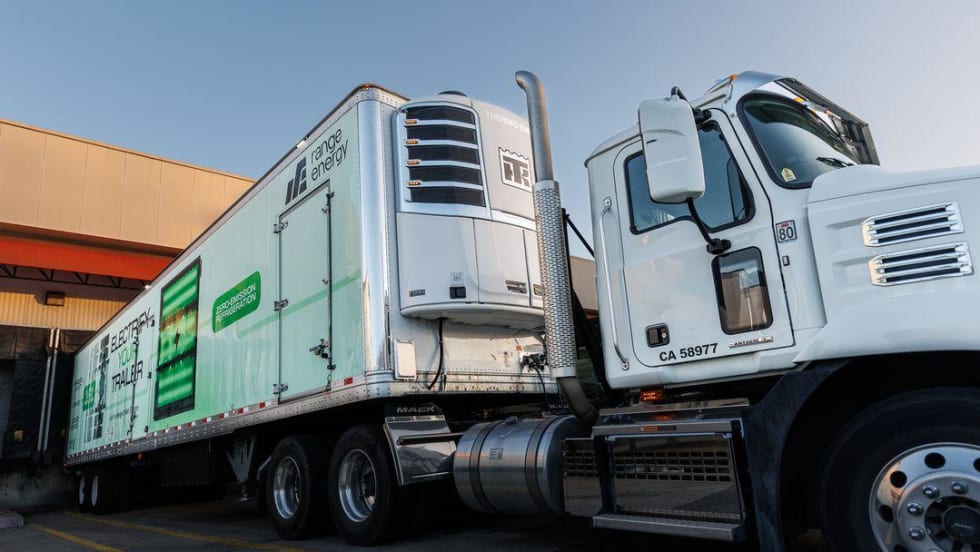
Range Energy Confirms eTrailer Performance in Winter Testing as Commercial Rollout Nears
Range Energy said its production-ready eTrailer system proved it can boost stability, safety, and efficiency in sub-zero winter conditions as the company moves toward scaled deployment.
Read More →
Top Green Fleets of 2026: Nomination Deadline Extended
Is your company a leader in sustainability efforts among trucking fleets? If so, Heavy Duty Trucking's editors want to hear from you.
Read More →
New Lightweight Wheel Cover Targets Simpler Aero Gains [Watch]
Watch to learn how Deflecktor's new wheel cover design is taking a simpler approach to aerodynamics, with an eye toward making it more practical for both trucks and trailers.
Read More →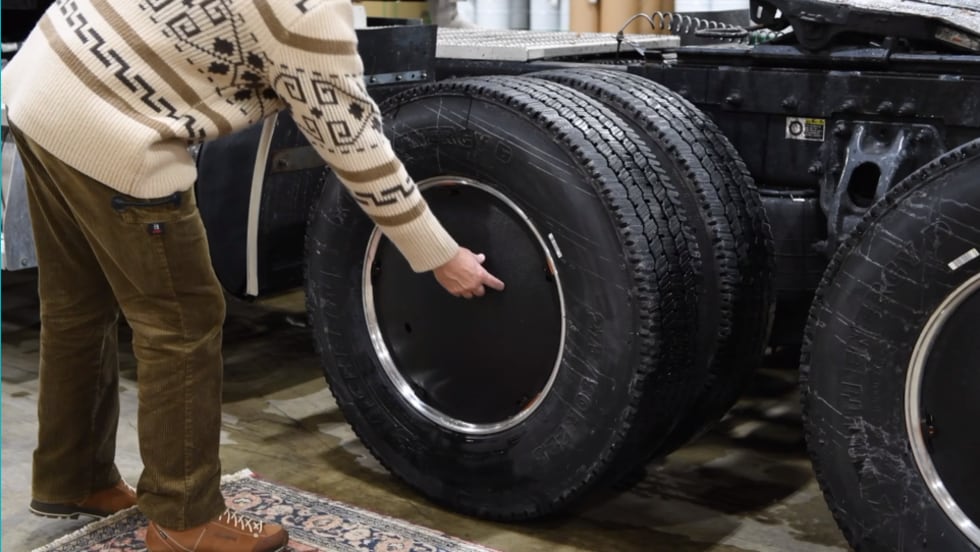
Deflecktor: Hubbub Aerodynamic Wheel Cover Cost-Effective Even for Trailers
Aerodynamic wheel covers can deliver small but meaningful fuel-economy gains for fleets, and Deflecktor says its latest design aims to make the technology easier and more affordable to deploy.
Read More →
Cutting Fleet Fuel Costs in a Volatile Market [Listen]
When diesel prices are as volatile as they've been in 2026, it makes it tough for trucking fleets to plan and control costs. Breakthrough Fuel's Jenny Vander Zanden has insights on near-term savings strategies.
Read More →
Diesel Price Swings Aren’t Over. What Can Your Fleet Do?
Practical steps fleets can take to manage fuel costs, from purchasing strategies to driver behavior.
Read More →
Diesel Prices Surge Toward Record Highs as Oil Price Volatility Intensifies
Prices jumped another 24 cents in a week, with California topping $7.50 and new data showing fleet fuel costs may already be at record levels.
Read More →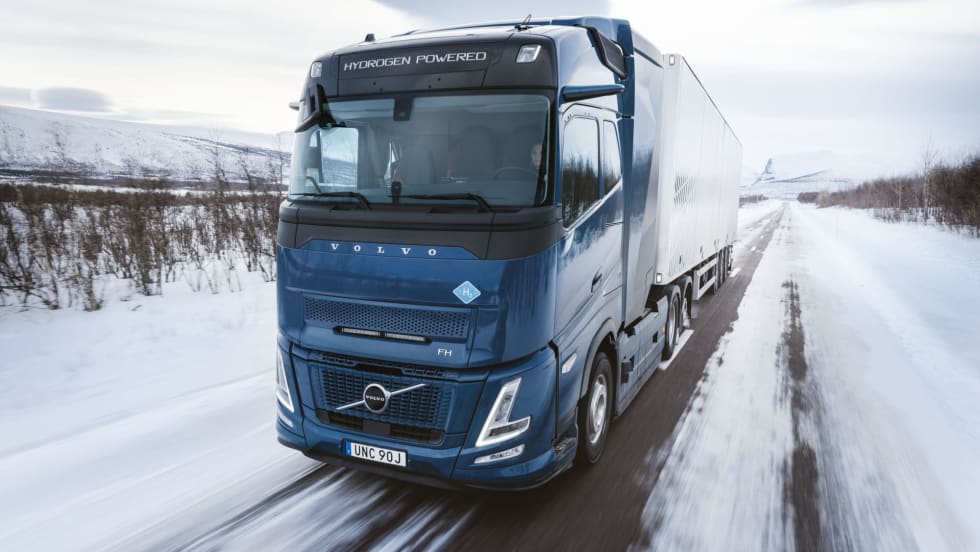
Volvo Testing Hydrogen-Fueled Internal Combustion Engines on Trucks in Europe
Hydrogen combustion engine trucks will be especially suitable over longer distances and in regions where there is limited charging infrastructure or time for recharging of battery-electric trucks, according to the company.
Read More →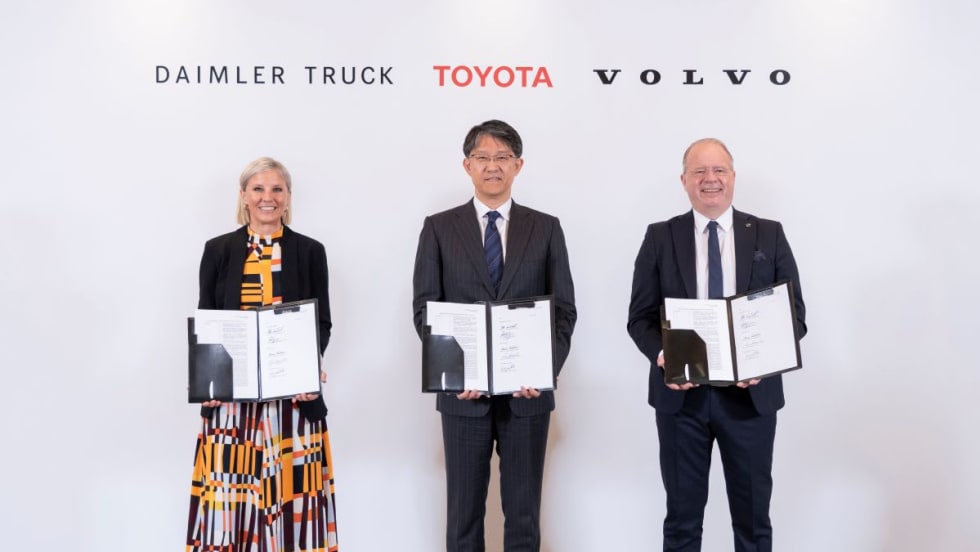
Toyota’s Entry Into Cellcentric Signals Push to Accelerate Hydrogen Truck Adoption
By joining Daimler Truck and Volvo, Toyota brings fuel cell expertise to a joint effort aimed at making hydrogen viable for heavy-duty transport.
Read More →U.S. Diesel Prices Hit $5.40, Top $7 in California
Trucking operators are slowing speeds, cutting empty miles, and declining unprofitable freight as diesel costs continue to rise due to conflict in the Middle East.
Read More →