




The U.S. Department of Transportation on Monday provided model legislation that would give states flexibility to contract with the private sector to invest in and manage transportation projects.
The model legislation, part of the Department’s initiative to reduce congestion in the nation’s transportation system, is based on a survey of existing state laws that authorize public-private partnerships in building, owning or operating highways, mass transit, railroads, airports, seaports or other transportation infrastructure.
“The growing stranglehold that congestion is placing on America’s transportation network calls for new ways of financing and maintaining our critical transportation infrastructure,” said U.S. Transportation Secretary Mary E. Peters. “This model legislation will help to ensure that states are in a position to tap into the billions of dollars that the private sector and lenders have amassed to invest in transportation.”
Recognizing that states need statutory authority to enter into public-private agreements, this legislation can be a model to help states reduce or remove barriers to private-sector investment in transportation infrastructure. The legislation is a starting point from which states can proceed to craft laws that are most appropriate for their unique needs, and provides useful guidance on what a public-private partnership agreement might look like.
Issues addressed by the model legislation include which modes of transportation would be eligible for private investment, whether or when tolls may be collected, innovative procurement methods, upkeep requirements for leased roads, and provisions to be considered in an agreement with the private sector.
Secretary Peters noted that 21 states and Puerto Rico already have at least some legal ability to utilize public-private partnerships. However, many of those laws provide limited or project-specific authority. Broad authority will also give states the opportunity to take advantage of various federal tools and pilot programs now available under SAFETEA-LU and the recently created congestion initiative.
DOT Provides Model Legislation for Private-sector Transportation Projects
The U.S. Department of Transportation on Monday provided model legislation that would give states flexibility to contract with the private sector to invest in and manage transportation projects.
More Drivers

FMCSA Extends Paper Medical Card Exemption … Again
Five states still aren't ready to accept commercial driver medical exam information directly from the medical examiner's registry.
Read More →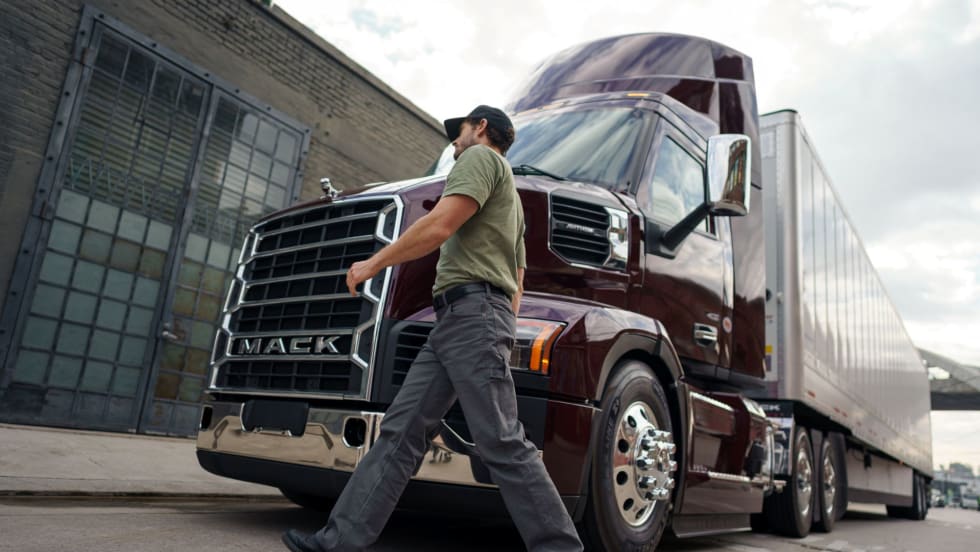
Mack Launches Digital Driver Guide for Chassis-Specific Truck Info
Mack’s new, virtual owner’s manual delivers VIN-based, on-demand guidance for vehicle systems via web, app, and soon in-cab displays.
Read More →
Western Star Showcases Truckers' Pride and Skill
Western Star is expanding its Star Nation Experience in 2026, adding new competitions and dealer participation to highlight operator skills and promote careers in trucking.
Read More →
Best Fleets to Drive For: Two Carriers Earn Overall Award for First Time
CarriersEdge announced the 2026 Best Fleets to Drive For overall winners, with Crawford Trucking, Fortigo Freight Services, and FTC Transportation receiving top awards.
Read More →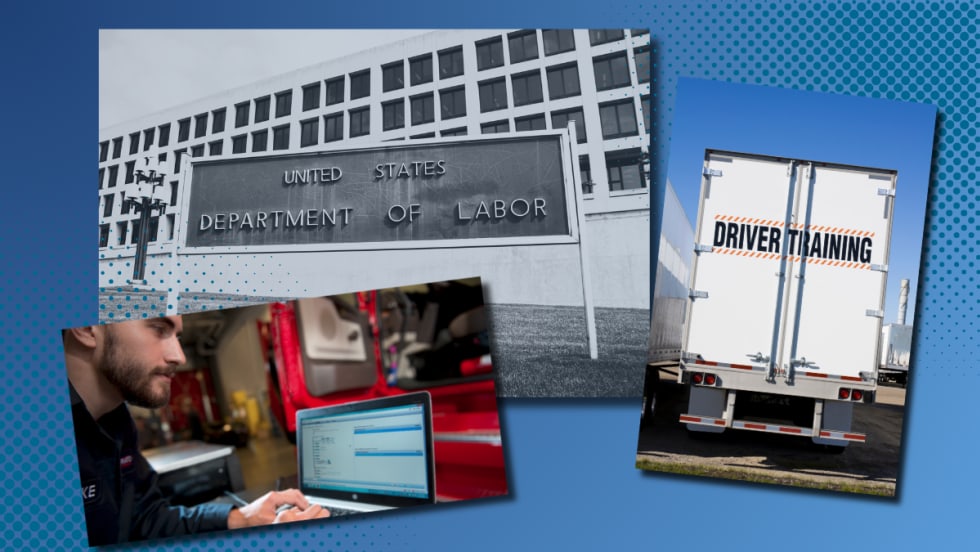
Federal Proposal Would Allow Pell Grants for Shorter-Term Job Training
The Department of Labor plans to expand Pell Grant eligibility to some shorter workforce training programs, a move the American Trucking Associations said will help strengthen commercial driver training schools and diesel technician training programs.
Read More →
Owner-Operator Model Gets Boost as DOL Proposes 2024 Independent Contractor Definition Reversal
For an industry that has watched this issue go back and forth for years, the independent contractor proposal marks the latest swing in the regulatory pendulum.
Read More →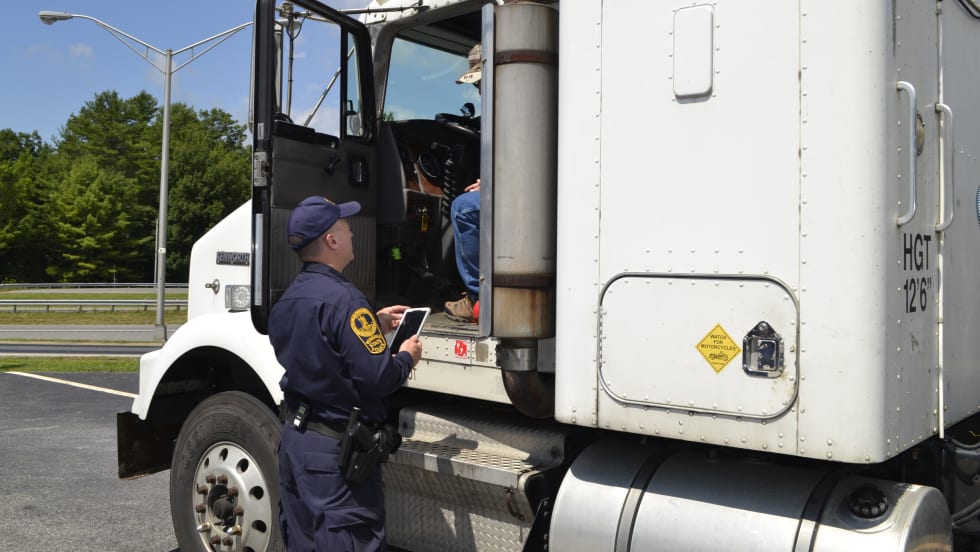
FMCSA Reinstates Field Warrior ELD to Registered Device List
One electronic logging device has been reinstated to the FMCSA's list of registered ELDs.
Read More →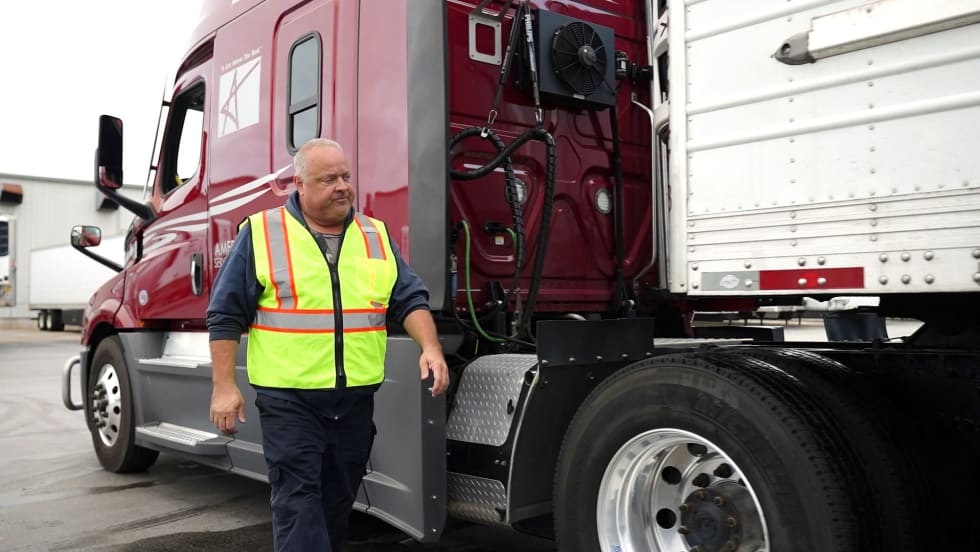
How One Company is Using Smart Suspension Technology to Reduce Driver Injuries and Improve Retention
America’s Service Line adopted Link’s SmartValve and ROI Cabmate systems to address whole-body vibration, repetitive strain, and driver turnover. The trucking fleet is already seeing measurable results.
Read More →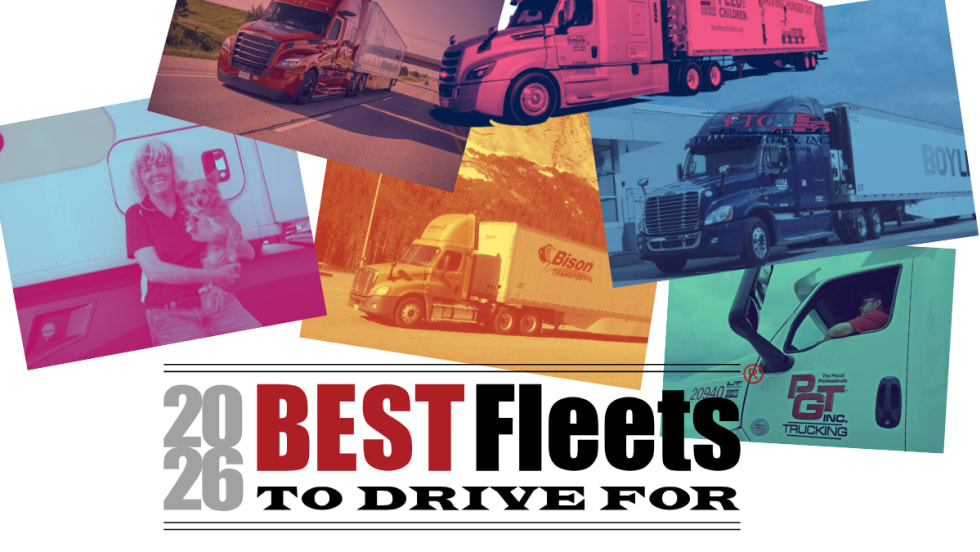
CarriersEdge Announces 2026 Best Fleets to Drive For
The 18th annual contest recognizing the best workplaces for truck drivers sees changes to Top 20, Hall of Fame
Read More →
FMCSA Targets 550+ ‘Sham’ CDL Schools in Nationwide Sting Operation
The Federal Motor Carrier Safety Administration issued more than 550 notices of proposed removal to commercial driver training providers following a five-day nationwide enforcement sweep. Investigators cited unqualified instructors, improper training vehicles, and failure to meet federal and state requirements.
Read More →