



In keeping with the Trump Administration’s stated intention to slice through red tape to benefit businesses, the Department of Transportation issued a notification of regulatory review on Oct. 2.
 MENU
MENU SEARCH
In keeping with the Trump Administration’s stated intention to slice through red tape to benefit businesses, the Department of Transportation has issued a notification of regulatory review.
In keeping with the Trump Administration’s stated intention to slice through red tape to benefit businesses, the Department of Transportation issued a notification of regulatory review on Oct. 2.
In its notice of the action, published in the Federal Register, DOT stated that it is “reviewing its existing regulations and other agency actions to evaluate their continued necessity, determine whether they are crafted effectively to solve current problems, and evaluate whether they potentially burden the development or use of domestically produced energy resources.”
As part of that process, the department is seeking public input on existing rules and other agency actions that are “good candidates for repeal, replacement, suspension, or modification.”
DOT also said that it may hold a public meeting to discuss and consider comments from members of the public.
Comments related to this regulatory review should be submitted on or before Nov. 1. Any comments should be identified by docket number DOT– OST–2017–0069 and submitted by any of the following methods:
Federal eRulemaking Portal: Go to http://www.regulations.gov and follow the online instructions for submitting comments
Fax: 202–493–2251
Mail: Docket Management Facility, U.S. Department of Transportation, 1200 New Jersey Ave. SE., Room W12–140, Washington, DC 20590–0001
Hand Delivery or Courier: The Docket Management Facility is located on the West Building, Ground Floor, of the U.S. Department of Transportation, 1200 New Jersey Ave. SE., Room W12– 140, between 9 a.m. and 5 p.m., Monday through Friday, except Federal holidays
DOT stated that the review is predicated on the department’s position that there “should be no more regulations than necessary, and those regulations should be straightforward, clear, and designed to minimize burdens. Further, DOT regulations and other agency actions should not unnecessarily obstruct, delay, curtail, or otherwise impose significant costs on the siting, permitting, production, utilization, transmission, or delivery of energy resources.”

ACT Research data shows volumes hitting a four-year high and supply-demand balance strengthening, but higher oil prices are undercutting tariff relief and tempering optimism.
Read More →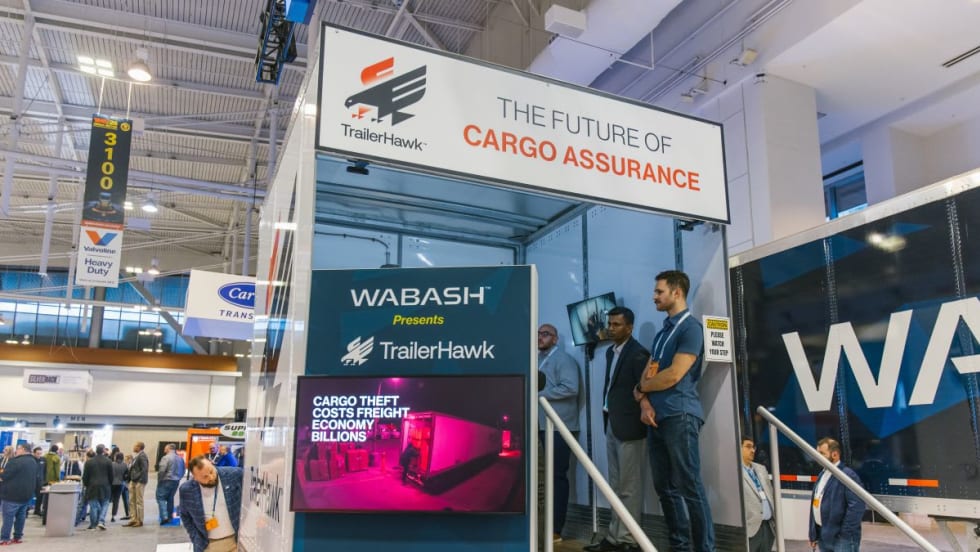
The patent-pending cargo solution integrates a digitally connected cargo door and an intelligent locking system with the TrailerHawk.AI technology platform.
Read More →
The impact of the Iran conflict extends beyond fuel costs, bringing more fraud and cybersecurity risks to the trucking industry.
Read More →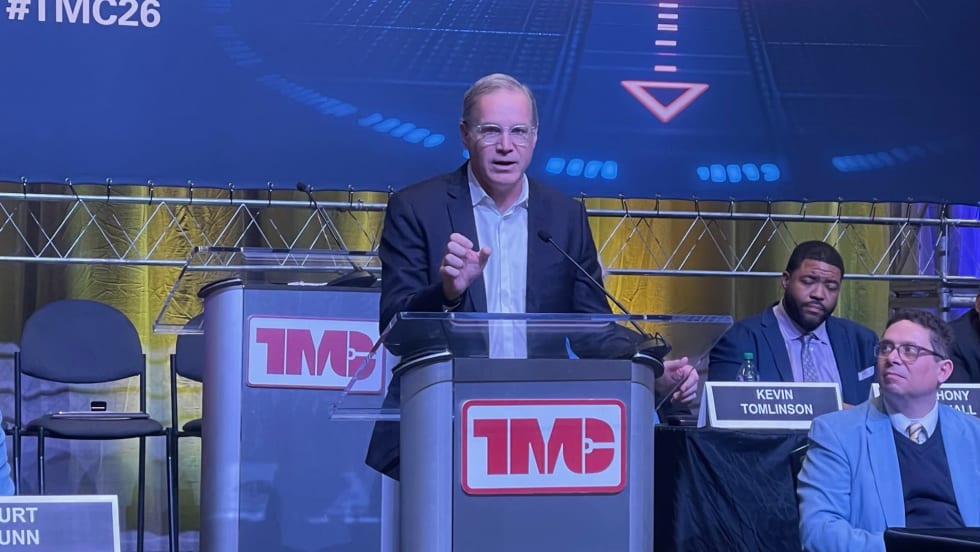
Speaking at the TMC Annual Meeting in Nashville, ATA President Chris Spear said trucking faces mounting pressure from rising fuel prices, geopolitical instability, and uncertainty around trade policy.
Read More →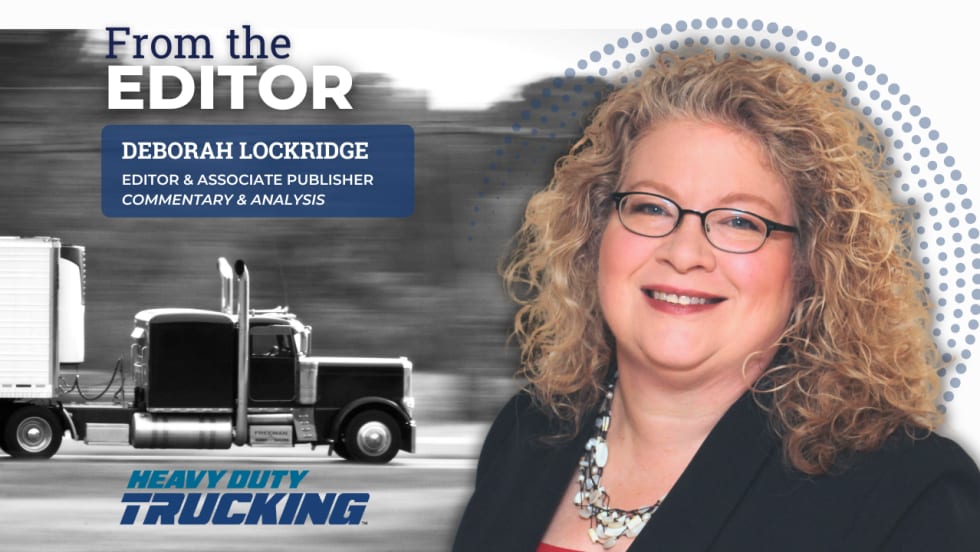
More than 100,000 new trucking companies enter the industry each year, but regulators manage to audit only a fraction of them. That churn creates opportunities for inexperienced startups — and for “chameleon carriers” that shut down after safety violations and reappear under new identities. Read more from Deborah Lockridge in this commentary.
Read More →
HDTX is an intimate event that connects heavy-duty trucking fleet managers with industry suppliers through small-group discussions, educational sessions, and structured one-on-one meetings.
Read More →
New DAT One feature shows top-paying loads directly on an iPhone’s home screen, helping carriers react faster to spot-market opportunities.
Read More →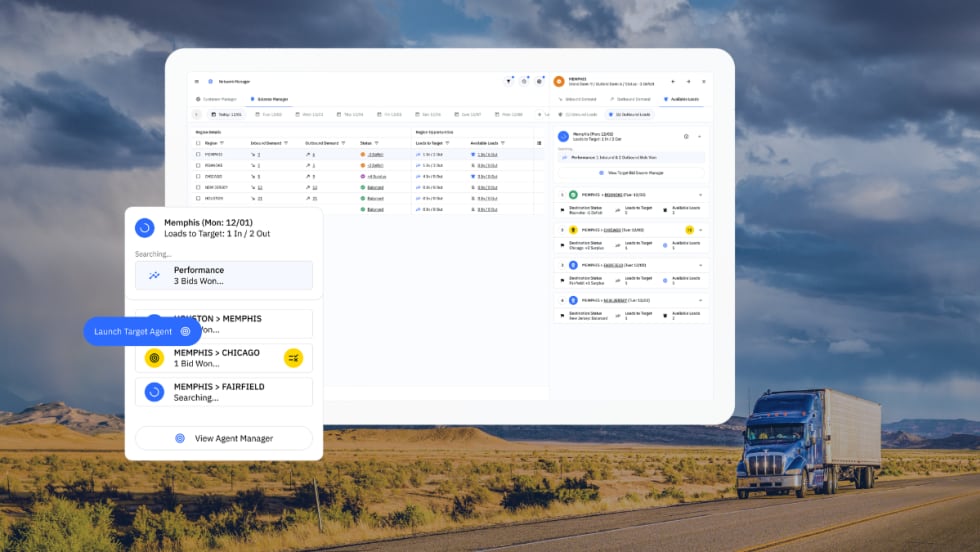
Optimal Dynamics says its new Scale platform uses AI agents and optimization to help carriers find and secure freight that improves network balance and profitability.
Read More →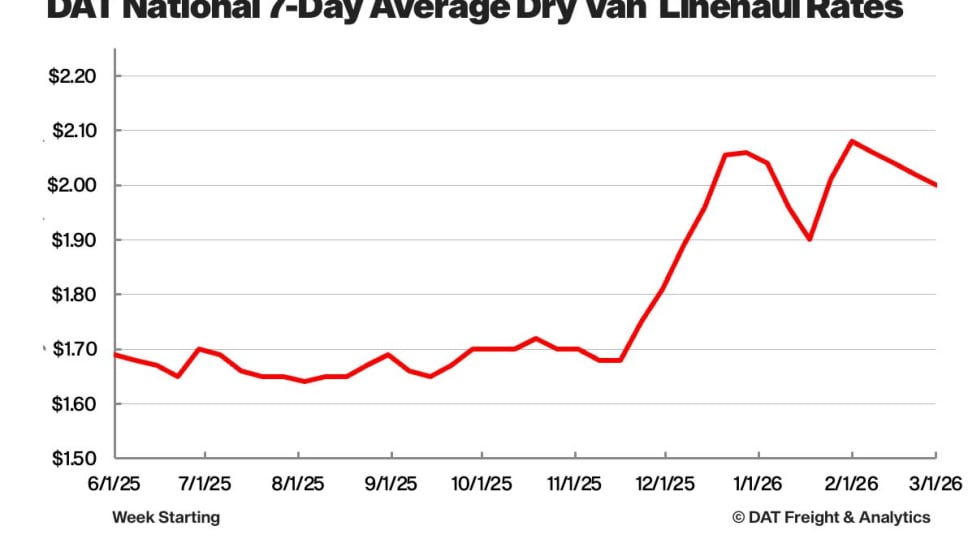
DAT Freight & Analytics data shows tightening flatbed capacity, easing produce markets, and softening van and reefer rates.
Read More →
NACFE's Run on Less - Messy Middle project demonstrates the power of data in helping to guide the future of alternative fuels and powertrains for heavy-duty trucks.
Read More →