




Secretary of Transportation Anthony Foxx announced in a March 11 blog post that DOT will hold two public hearings, one in Washington, D.C., and one in California, to get input on “how to best integrate the safe operation of automated vehicles.”
 MENU
MENU SEARCH
Secretary of Transportation Anthony Foxx has announced that DOT will hold two public hearings, one in Washington, D.C., and one in California, to get input on “how to best integrate the safe operation of automated vehicles.”
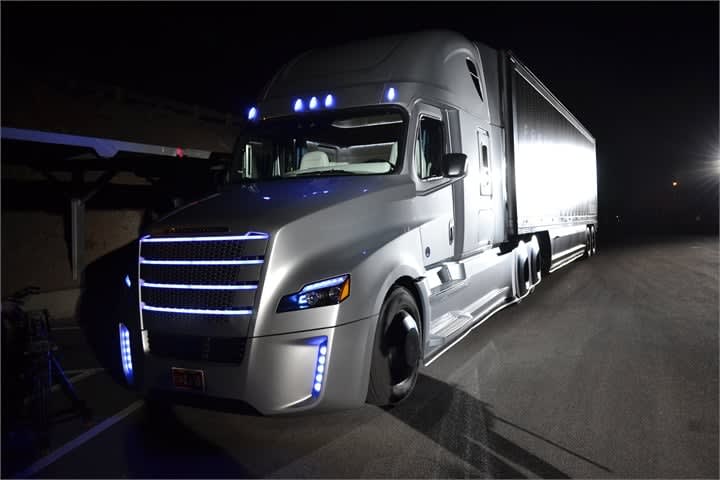
Freightliner Inspriation autonomous truck at its rollout last Spring. Photo: Stephane Babcock
Secretary of Transportation Anthony Foxx announced in a March 11 blog post that DOT will hold two public hearings, one in Washington, D.C., and one in California, to get input on “how to best integrate the safe operation of automated vehicles.”
The first hearing will take place April 8th in Washington; a date for the California event has not been announced.
“The feedback from these meetings will help the National Highway Transportation Safety Administration provide manufacturers with the rules of the road for how we expect automated vehicles to operate safely,” Foxx wrote.
He also advised that NHTSA is “continuing to take other key steps to support the development of new technologies, including working with local and state leaders on model state policy so that we have some overarching safety principles nationwide, and determining what new regulatory tools and authorities may be needed to meet their safety mission in a time of rapidly changing technology.”
In addition, NHTSA has released a Volpe Center report prepared for DOT that identifies potential barriers and challenges for the certification of automated vehicles using existing Federal Motor Vehicle Safety Standards.
Foxx said that the FMVSS “may have to adjust for this new era. The report found that for cars with traditional designs and controls, there are only minimal federal regulatory hurdles; however, there may be greater obstacles for vehicle manufacturers that design cars without controls for human drivers, such as a steering wheel or brake pedals.
“The Volpe Center report underscores the need for the actions we’re taking,” he continued. “It confirms that we need to establish clear expectations for safe deployment, and tells us that NHTSA has more work to do to ensure the safety of new innovations. We look forward to learning more from stakeholders as we start that work.”
Foxx’s blog post does not specifically mention autonomous commercial vehicles.
However, the Volpe report examines numerous autonomous vehicle concepts, including truck platooning and various types of light- and heavy-duty “driverless delivery vehicles” along with a “riderless delivery motorcycle.”

The American Transportation Research Institute will examine driver coaching, regulatory impacts — including the "Beyond Compliance" concept —and weather disruptions that shape trucking operations.
Read More →
Fleet Advantage's Brian Antonellis says it's time for fleets to get back to the fundamentals of good maintenance practices. And that includes replacing older, inefficient equipment.
Read More →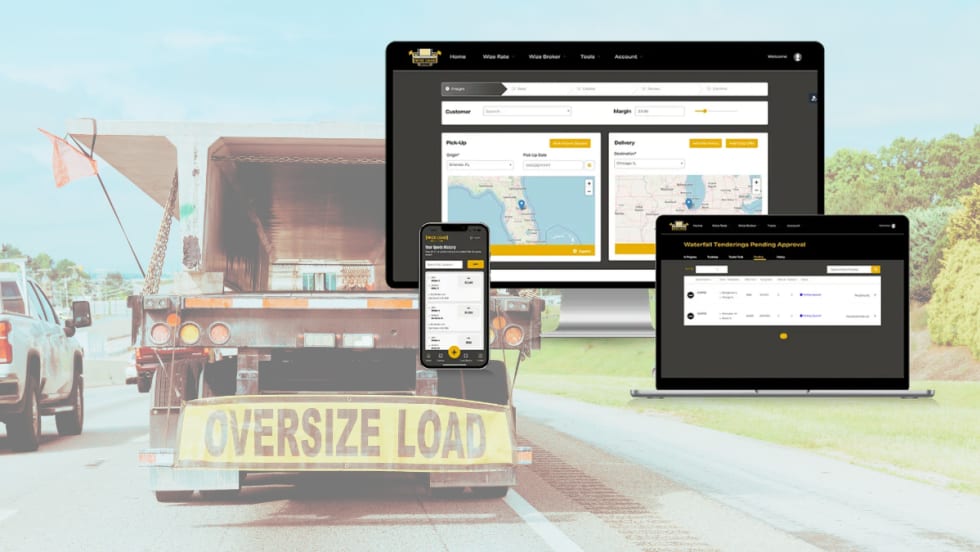
Load matching for flatbed, lowbed, oversize and overweight loads can't be automated like basic van freight, but Truckstop.com is adding more high-tech tools to help.
Read More →
An expanded Trucker Path and Truckstop.com integration brings more freight opportunities into the TruckLoads app while emphasizing security and network quality.
Read More →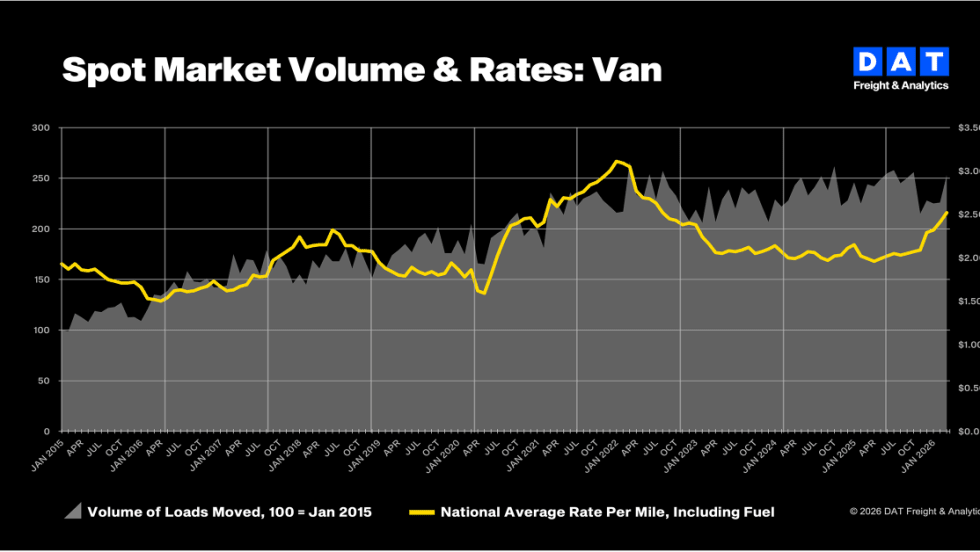
Strong March freight demand combined with a spike in fuel costs pushed both spot and contract truckload rates to their highest levels in more than two years.
Read More →
Everyone’s talking about AI — but is your transportation management system actually built for it?
Read More →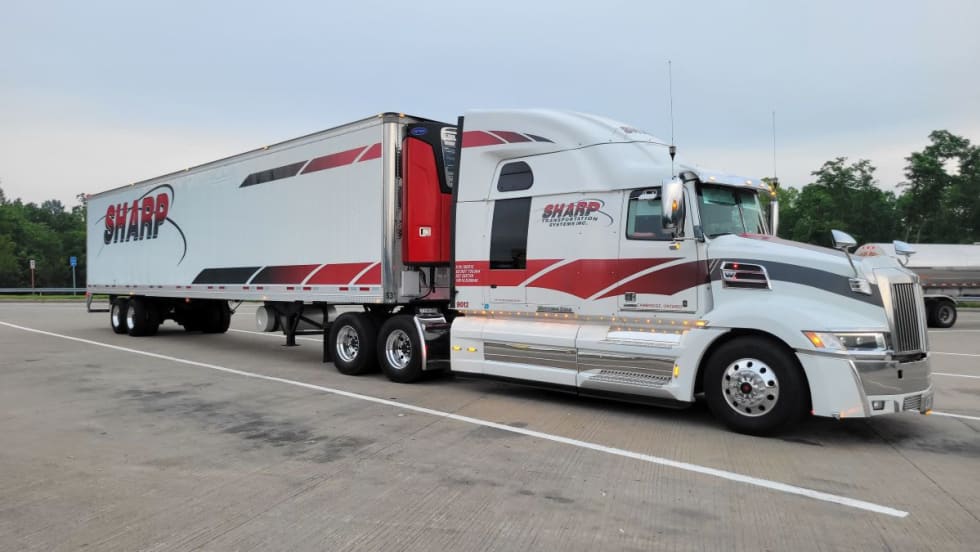
Being part of KTG will allow Sharp to expand and improve its services.
Read More →
The Fair Compensation for Truck Crash Victims Act would increase insurance requirements for interstate motor carriers by nearly seven times.
Read More →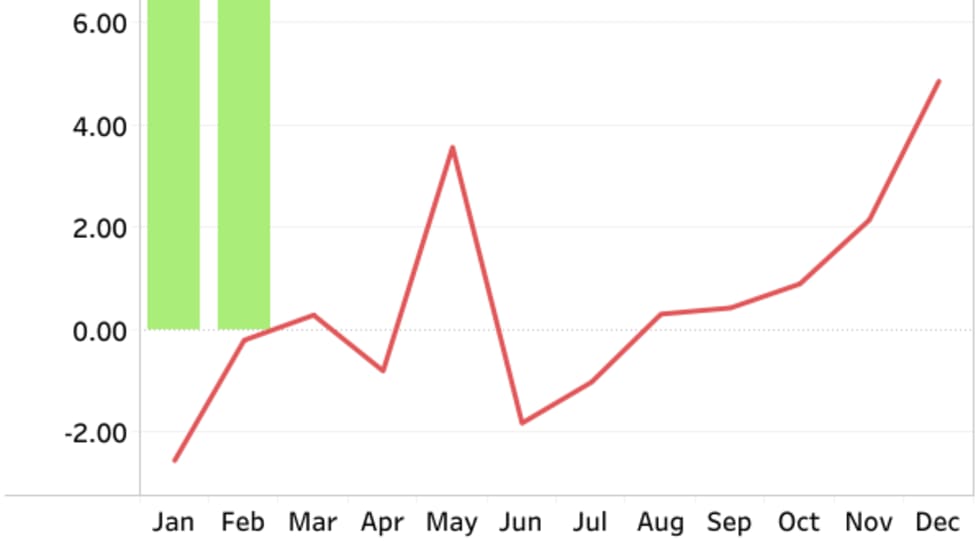
Strong freight rates push TCI to 10.2, but FTR expects fuel-price volatility to skew March results.
Read More →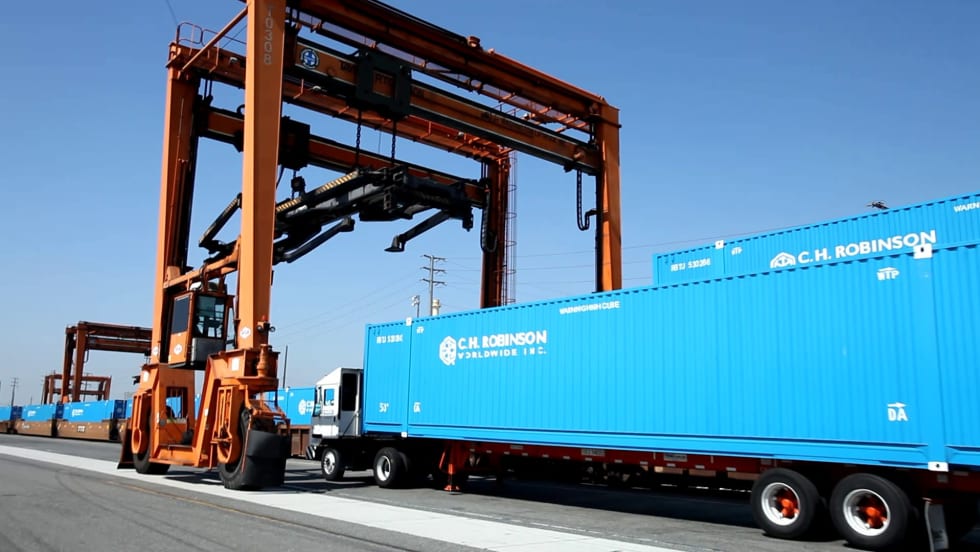
C.H. Robinson is waiving fees on fuel cards and cash advances for April and May, aiming to help carriers offset rising diesel costs tied to geopolitical instability.
Read More →