





Parts and labor costs eased slightly at the end of 2025, but the bigger story may be how trucking fleets are using data and digital tools to improve efficiency and mitigate costs that have risen by more than 27% over the past six years.
Truck Maintenance Costs Ease Slightly, but Long-Term Trend Still Rising
Benchmark data from Decisiv and TMC shows repair expenses still climbing, but fleets are improving efficiency with digital tools.
March 15, 2026
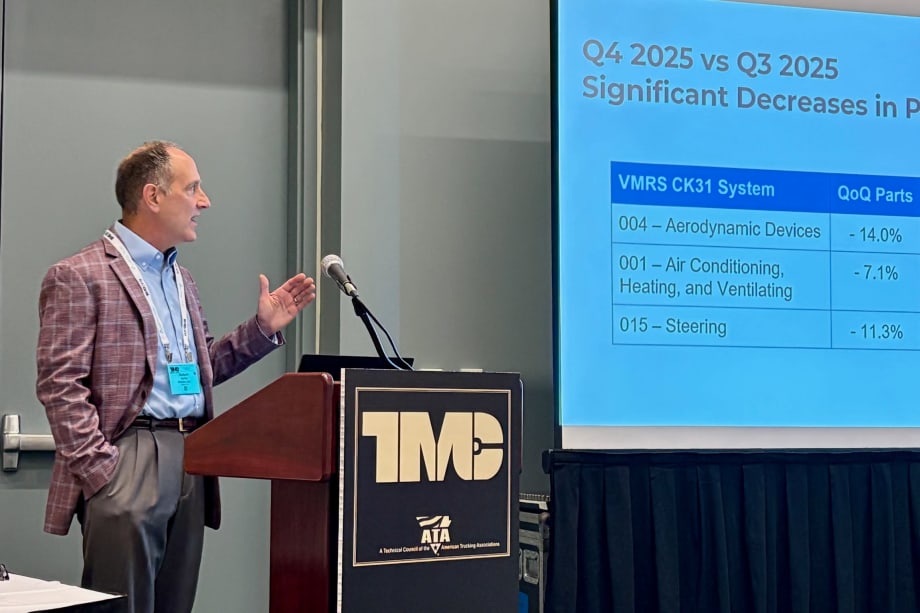
Rob Ziemba, vice president of marketing at Decisiv, shares VMRS benchmarking numbers with trucking reporters at TMC.
Credit:
Deborah Lockridge
5 min to read
Combined parts and labor expenses fell 1.3% in the fourth quarter of 2025, according to the latest Decisiv/TMC Parts & Labor Service Benchmark Report, after a steep 3.8% increase in the previous quarter.
Labor costs were the main driver of that, falling 2.6% from the previous quarter, compared to a 0.4% drop in parts costs.
But when the numbers are viewed over a longer period, the trend still points upward. Since early 2020, combined parts and labor costs have climbed 27.4%, driven first by post-pandemic inflation and technician shortages and more recently by rising parts prices.
“Fleets are facing increased cost pressures on parts and labor for their service costs,” said Tim Hardin, president and CEO of Decisiv, speaking to reporters at the American Trucking Associations’ Technology & Maintenance Council meeting in Nashville. “But they’re actually doing a great job moderating those cost increases.”
Data and Efficiency
The data behind the benchmark report comes from Decisiv’s Service Relationship Management platform, which tracks maintenance and repair activity across millions of service events and categorizes it using TMC’s Vehicle Maintenance Reporting Standards (VMRS) coding system.
Those standardized codes allow fleets to analyze repair trends and costs across vehicle systems and compare their maintenance performance with industry benchmarks.
VMRS codes have been in use for decades. But consistently applying those codes can be a challenge inside busy maintenance shops.
“Ideally, when technicians are putting in the service information, they would also enter the VMRS coding,” said Rob Ziemba, vice president of marketing at Decisiv. “But we’ve learned that doesn’t happen very often. In fact, 80% to 95% of the time, that coding isn’t entered.”
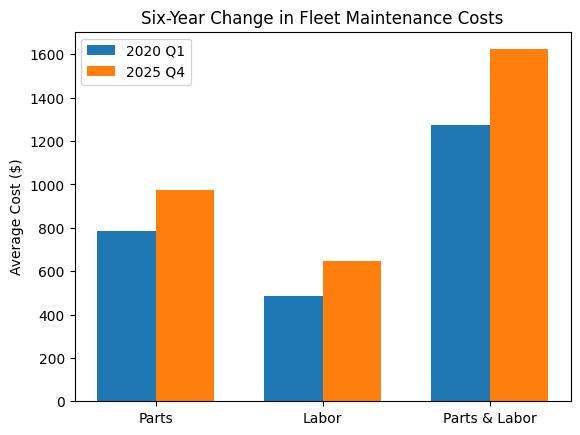
Decisiv used VMRS data to compare maintenance costs from 2020 through 2025.
Credit:
Decisiv data. Graph created using AI.
To address that gap, Decisiv uses machine learning to analyze service records text and automatically assign the appropriate VMRS system codes.
Ziemba added that fleets have increasingly moved toward digital maintenance processes in recent years.
"A lot of organizations that had been initially reluctant to do it are now adopting more of a digital process."
With the explosive growth of artificial intelligence, it has become even more important.
“It’s kind of the new table stakes,” he said. You have to digitize your processes before you can use AI and other technologies to improve them.
A Closer Look at the Parts and Labor Numbers
Decisiv executives cautioned that the quarterly shift should be viewed in context. Some of the systems where costs declined represent smaller portions of overall maintenance spending, meaning the drop does not necessarily signal a broad change in the economics of truck maintenance.
“We did have the overall reduction of 1.3%,” said Ziemba. “But a lot of that cost reduction was in some of the smaller system codes.”
Looking at the numbers on a year-over-year basis reinforces that point. Compared with the fourth quarter of 2024, combined parts and labor costs increased 2%, continuing a broader upward trend that has defined the past several years.
Much of that increase came from higher parts prices. Parts costs rose 3.7% year over year, while labor costs edged slightly lower, falling 0.4% over the same period.
The biggest increases year over year came from:
- VMRS 022, Axle Driven - Rear: 20.6% overall, 31% in parts, 9.1% in labor
- VMRS 018 Wheels, Rim, Hubs, and Bearings: 15.5% overall, 22.8% in parts, 10.6% in labor
- VMRS 147 Filter Kits (Multi-Piece): 11.9% overall, 8.6% parts, 16% labor
Parts Prices Emerging as the Biggest Pressure
One of the interesting shifts in recent maintenance data is what’s driving those increases. Over the six-year period analyzed by Decisiv, labor costs played a major role in driving maintenance expenses higher, thanks to the persistent shortage of skilled technicians.
More recently, however, parts costs have become the bigger source of inflation.
Some of that increase may be tied to the broader supply chain environment.
While Decisiv’s data does not directly measure tariff impacts, executives said raw material costs and supply chain uncertainty likely contribute to higher parts prices.
“What we were seeing was some of the material tariffs — steel tariffs, aluminum tariffs — impacting the raw materials,” Ziemba said. “That’s around the time we started to see parts costs going up.”
Hardin added that uncertainty in the supply chain can influence pricing even before actual shortages occur.
“Typically, what I’ve seen is it gets priced into the supply chain regardless of whether there’s a physical impact or not,” he said. “That uncertainty in the marketplace tends to drive pricing up and down.”
Efficiency Gains Helping Fleets Manage Costs
Despite rising costs, fleets appear to be managing maintenance spending better than some broader transportation expenses.
Decisiv compared its service cost data to federal producer price index (PPI) measures and found maintenance costs rising faster than general inflation but more slowly than overall transportation costs.
In other words, fleets are still dealing with higher repair bills — but not as fast as some other operating costs.
“That tells us fleets are doing a great job managing and moderating their service costs,” Ziemba said.
One reason may be improved operational efficiency in maintenance shops.
Hardin pointed to increasing use of data and analytics to manage inventory, optimize technician productivity, and streamline repair processes.
“The organizations that are going to win are the ones using data to really understand how to manage their inventory, manage their pricing, optimize labor, and drive technician efficiency,” he said.
More Maintenance
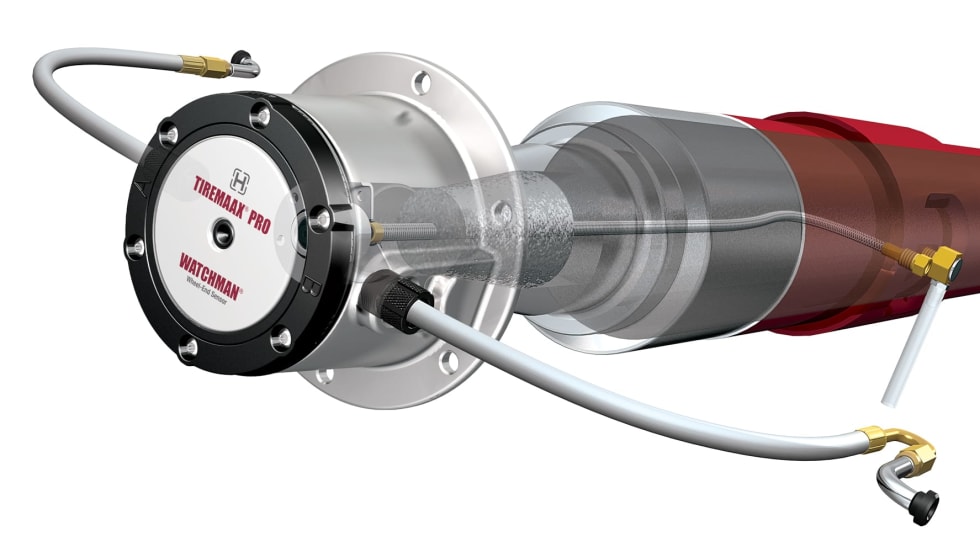
Hendrickson Unveils Watchman Smart Wheel-End System at TMC
Hendrickson’s new sensor platform integrates with its TireMaax system to deliver real-time tire and wheel-end insights, targeting uptime and cost savings.
Read More →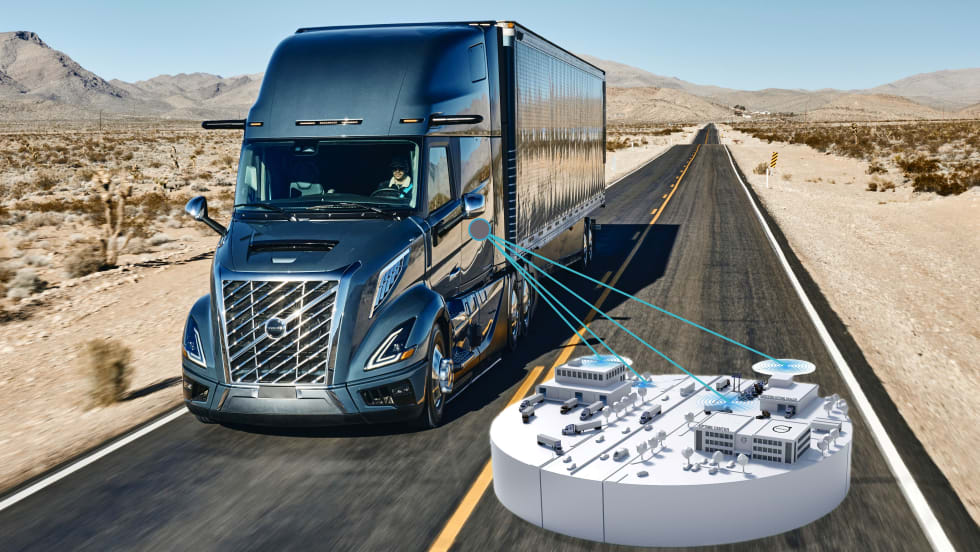
Over-the-Air Updates and the Modern Powertrain Explained
Over-the-air updates are moving beyond recalls, and expanding how fleets manage performance, compliance, and uptime.
Read More →
SKF, TMC Expand Hands-On Training to Boost Technician Skills at Annual Meeting
A new partnership between SFK and TMC brings certified, on-site instruction focused on wheel-end reliability and maintenance best practices.
Read More →
Why Higher Pay Isn’t Fixing the Heavy-Duty Technician Shortage
Hiring heavy-duty truck technicians has become a bidding war, but shops that focus on culture, training, and career paths are gaining an edge. That's the takeaway from a TMC panel discussion.
Read More →
Technology & Maintenance Council 2026 Annual Meeting [Photos]
Couldn't make it to Nashville for TMC's 2026 annual meeting? Check out these images.
Read More →
Fullbay Report: Heavy-Duty Shop Revenue Up, Rates Rising, but Shops Still Short on Techs
Strong growth across the heavy-duty repair sector is being tempered by workforce shortages and an aging technician pipeline.
Read More →
How Mack Sees the Next Era of Fleet Intelligence
Telematics has evolved from simple vehicle tracking into a connected service platform that can help fleets boost uptime, improve specifications, and move toward predictive maintenance. Mack executives say AI is now giving fleets a way to turn all that vehicle data into faster, smarter decisions.
Read More →
Clarios Expands Battery Monitoring Into Subscription Service with Battery Manager Pro
A new battery-monitoring-as-a-service program from Clarios Connected Services uses predictive analytics and automatic replacement to reduce downtime and smooth fleet maintenance costs.
Read More →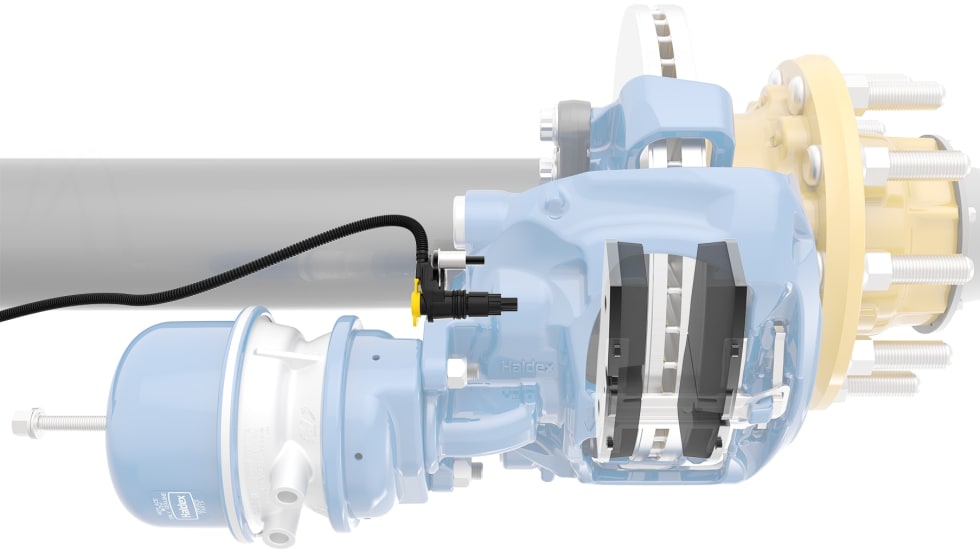
SAF-Holland’s BrakeSight Aims to Take the Guesswork Out of Air Disc Brake Maintenance
New Haldex sensor technology from SAF-Holland integrates with telematics systems to give fleets continuous insight into air disc brake condition.
Read More →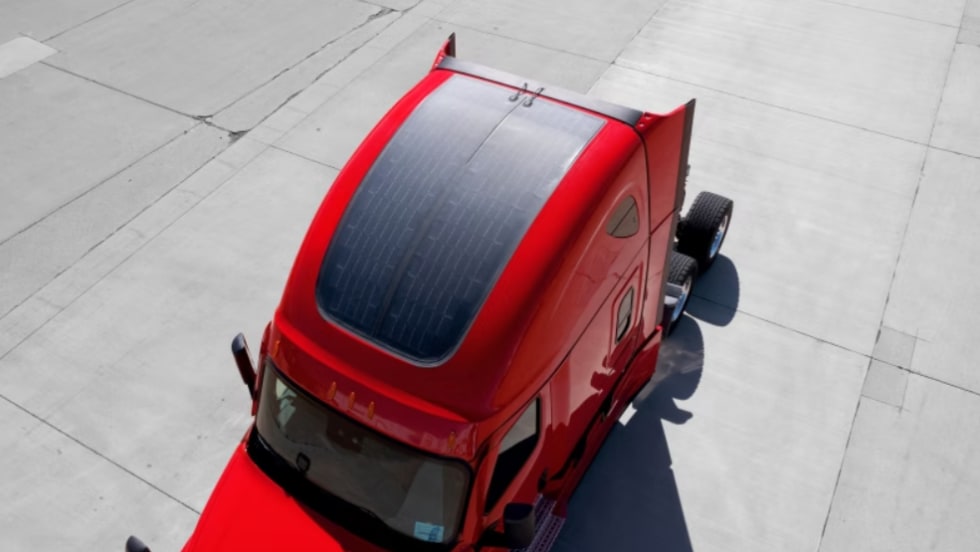
Vanair Introduces Solar, Battery Power Ecosystem for Class 8 Trucks
The company’s expanded EPEQ ecosystem includes flexible solar panels, lithium batteries, hydraulic power systems, and a portable fast charger for electric trucks.
Read More →