



The American Transportation Research Institute has found that increases to driver wages and benefits outpaced declines in fuel costs in 2016. The findings were published in the 2017 update of ATRI’s An Analysis of the Operational Costs of Trucking.
 MENU
MENU SEARCH
The American Transportation Research Institute has found that increases to driver wages and benefits outpaced declines in fuel costs in 2016. The findings were published in the 2017 update of ATRI’s An Analysis of the Operational Costs of Trucking.
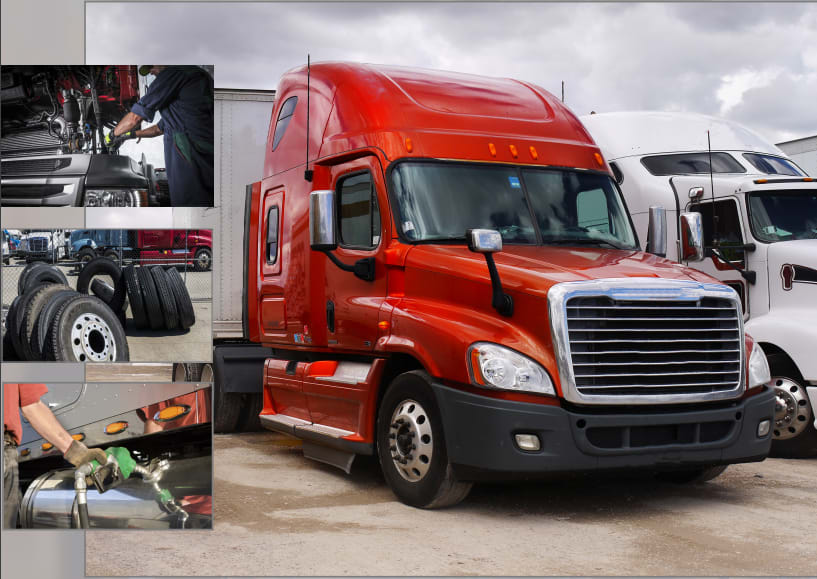
Screenshot via ATRI
The American Transportation Research Institute has found that increases to driver wages and benefits outpaced declines in fuel costs in 2016. The findings were published in the 2017 update of ATRI’s An Analysis of the Operational Costs of Trucking.
The average marginal cost per mile in 2016 was $1.59. One of the key factors impacting that number was a decline in fuel costs of 17% from 2015. However, during the same period, driver wages and benefits increased 5% and 18%, respectively.
As a result, for the second year in a row since ATRI started collecting industry operational cost data, driver costs now represent a higher percentage of overall costs than does fuel.
A clear underpinning of the 2016 data was the soft economy last year, and the myriad implications that had on insurance, capacity, and pricing, according to ATRI. Additionally, modern trucks have driven up equipment costs for both purchasing and repair and maintenance.
New to this year's report are findings on safety and performance bonus and incentive amounts that carriers are paying to attract and retain the best drivers.
The full report is available at TruckingResearch.org.

ACT Research data shows volumes hitting a four-year high and supply-demand balance strengthening, but higher oil prices are undercutting tariff relief and tempering optimism.
Read More →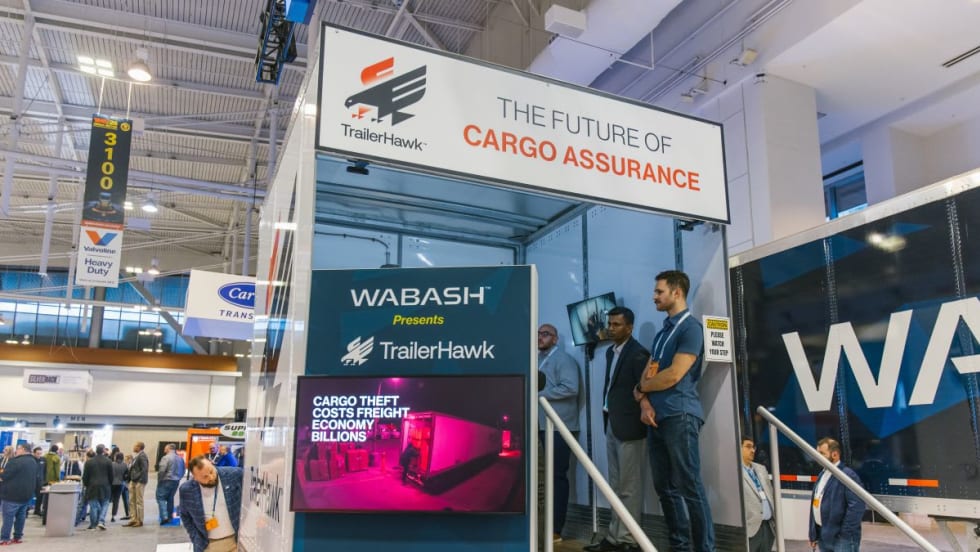
The patent-pending cargo solution integrates a digitally connected cargo door and an intelligent locking system with the TrailerHawk.AI technology platform.
Read More →
The impact of the Iran conflict extends beyond fuel costs, bringing more fraud and cybersecurity risks to the trucking industry.
Read More →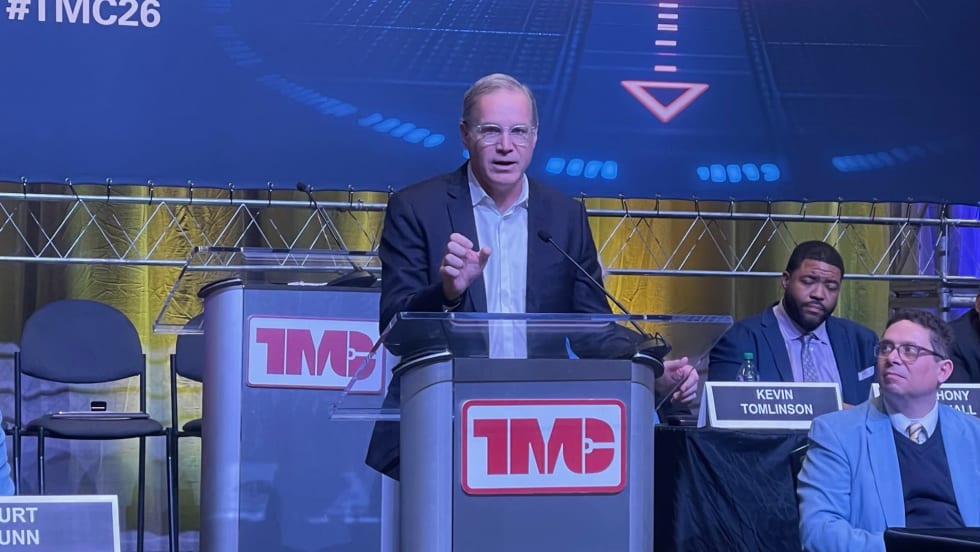
Speaking at the TMC Annual Meeting in Nashville, ATA President Chris Spear said trucking faces mounting pressure from rising fuel prices, geopolitical instability, and uncertainty around trade policy.
Read More →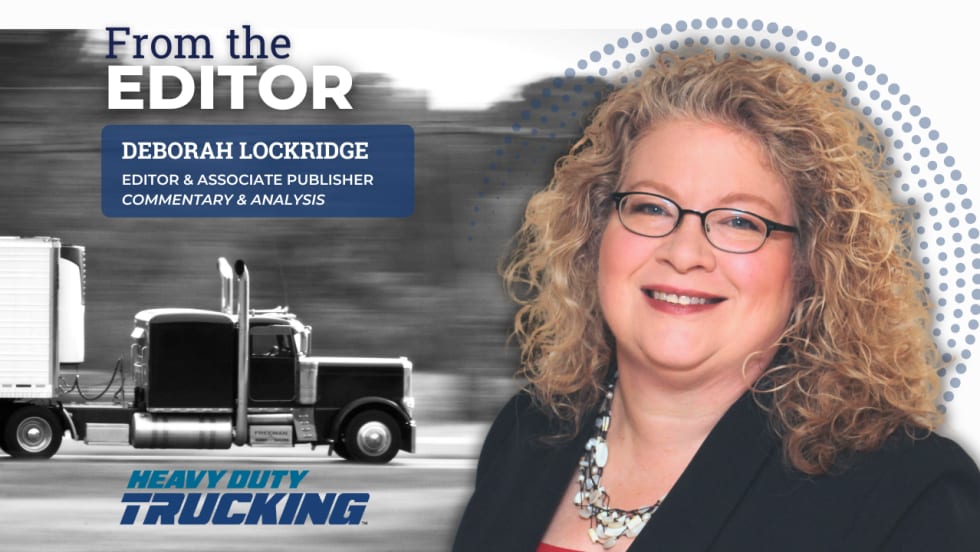
More than 100,000 new trucking companies enter the industry each year, but regulators manage to audit only a fraction of them. That churn creates opportunities for inexperienced startups — and for “chameleon carriers” that shut down after safety violations and reappear under new identities. Read more from Deborah Lockridge in this commentary.
Read More →
HDTX is an intimate event that connects heavy-duty trucking fleet managers with industry suppliers through small-group discussions, educational sessions, and structured one-on-one meetings.
Read More →
New DAT One feature shows top-paying loads directly on an iPhone’s home screen, helping carriers react faster to spot-market opportunities.
Read More →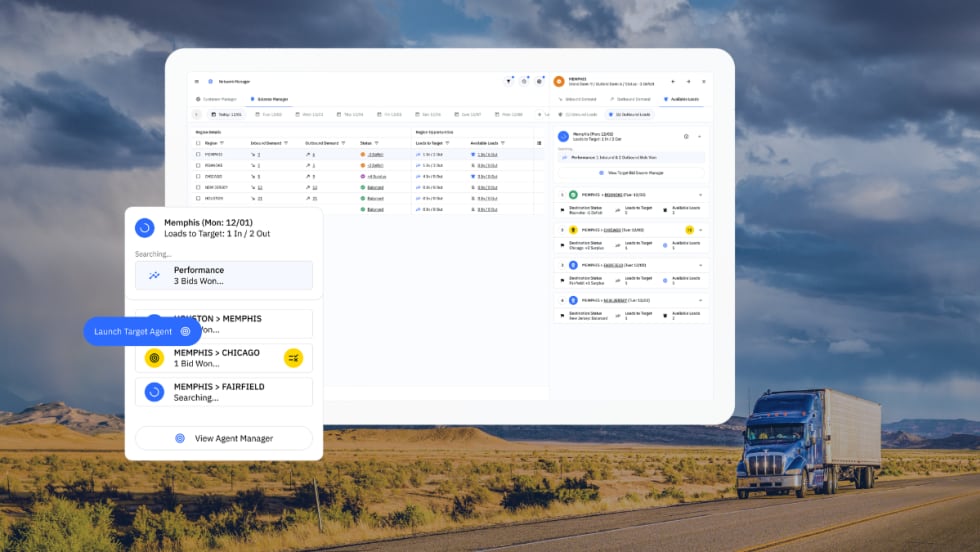
Optimal Dynamics says its new Scale platform uses AI agents and optimization to help carriers find and secure freight that improves network balance and profitability.
Read More →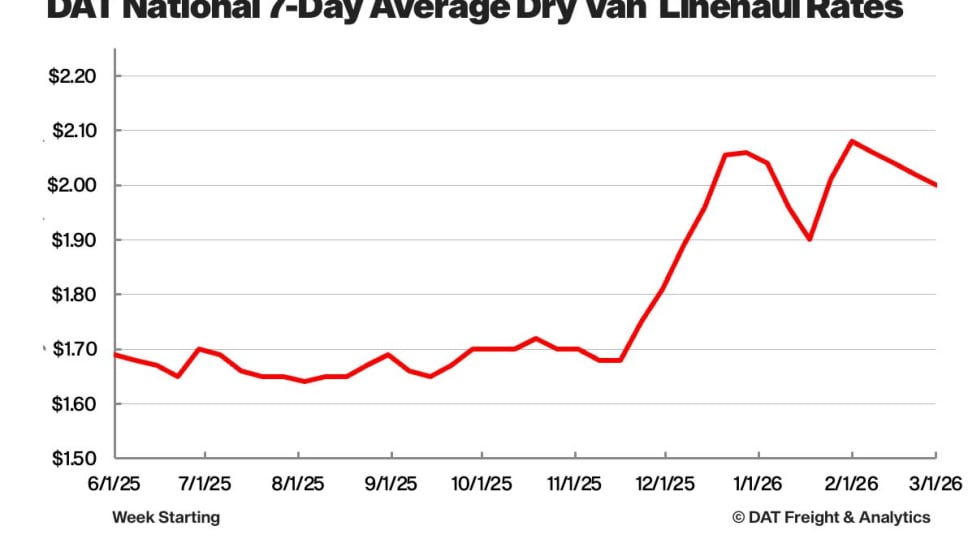
DAT Freight & Analytics data shows tightening flatbed capacity, easing produce markets, and softening van and reefer rates.
Read More →
NACFE's Run on Less - Messy Middle project demonstrates the power of data in helping to guide the future of alternative fuels and powertrains for heavy-duty trucks.
Read More →