Drivewyze Calculates Money Saved by Bypassing Weigh Stations
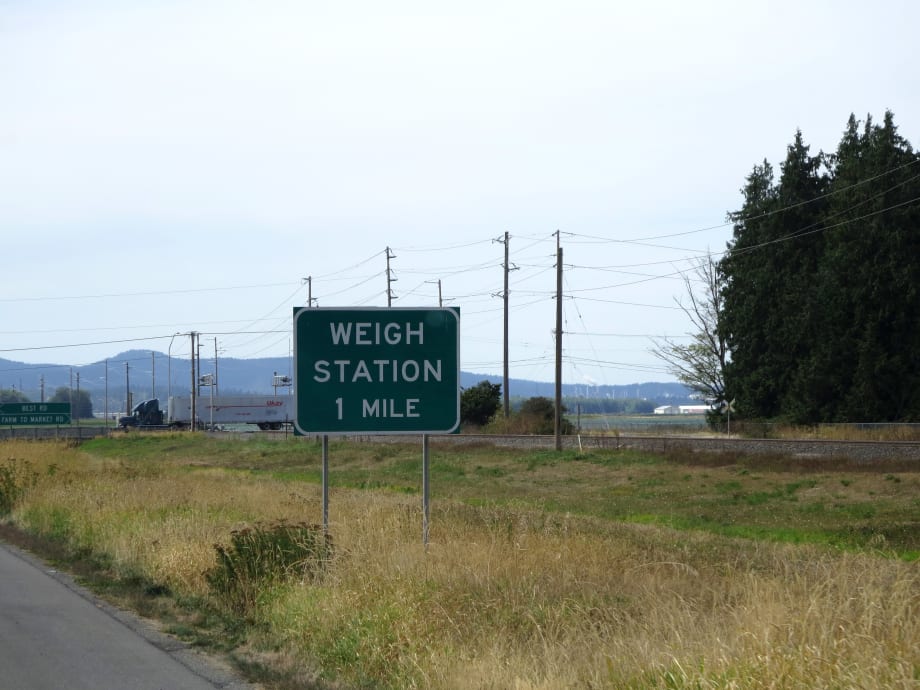
Drivewyze, which offers weigh station bypass via an app on a smartphone or tablet, says it’s now able to do some interesting analytics of all the data collected from three years’ worth of operation, including how much fleets save by bypassing weigh stations.
Drivewyze, which offers weigh station bypass via an app on a smartphone or tablet, says it’s now able to do some interesting analytics of all the data collected from three years’ worth of operation, including how much fleets save by bypassing weigh stations.
Ad Loading...
For instance, take the oft-cited statistic that it costs $8.68 each time a truck has to stop at a weigh station, explained Doug Johnson, director of marketing, at last week’s Mid-America Trucking Show in Louisville, Ky. That number comes from a 2007 study sponsored by the U.S. Department of Transportation.
Ad Loading...
Drivewyze recently looked at its data to evaluate that figure. It sampled more than 13 million weigh station visits over a two-month period, and used the latest updated operational costs data from the American Transportation Research Institute to evaluate not only direct costs but also lost opportunity costs.
It found that the average pull-in (not counting trucks that were put out of service) took 3.37 minutes. A quarter of those took 47 seconds or less. Another quarter took between 48 seconds and a minute and 18 seconds. Another quarter took a minute 19 seconds to 2 minutes and 20 seconds, and the remaining 25% took longer than that.
The resulting cost, Drivewyze determined, was $9.26 average saved per bypass.
However, Johnson stressed, “there’s no such thing as an average truck or fleet. What interested us were the outliers.”
For instance, they learned that one truck passed a scale in Minnesota 14 times every day, saving that company $2,000 a month.
Ad Loading...
“What we can do is actually show a fleet the real loss for them. They can plug in their cost per mile or hour and run the analytics on their own trucks.”
This information can help fleets determine if it makes sense to use the bypass system. Maybe it only makes sense to use it on a certain part of the fleet that would avoid a large number of weigh station stops.
This type of analytics, Johnson said, “is the difference between our technology and a transponder. The transponder can only be red or green.”
ACT Research data shows volumes hitting a four-year high and supply-demand balance strengthening, but higher oil prices are undercutting tariff relief and tempering optimism.
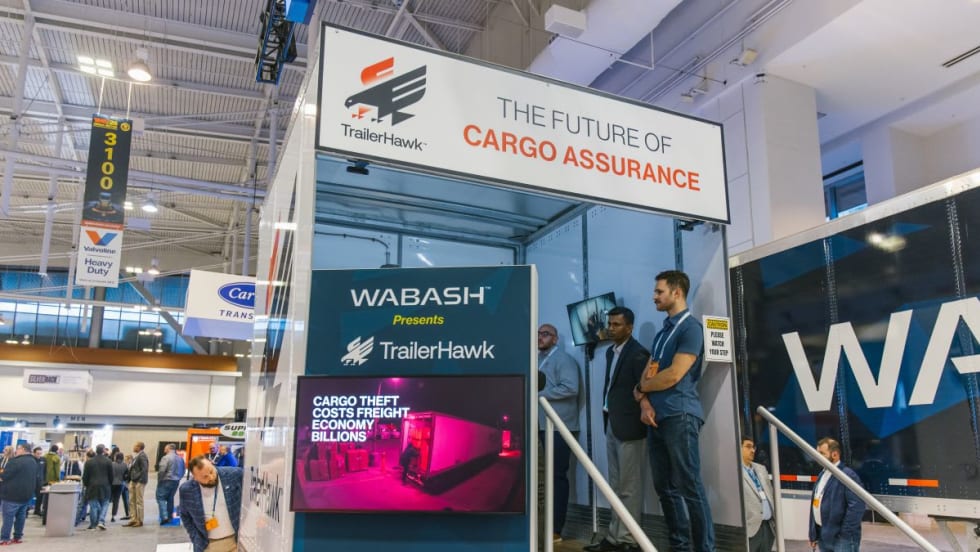
The patent-pending cargo solution integrates a digitally connected cargo door and an intelligent locking system with the TrailerHawk.AI technology platform.
Speaking at the TMC Annual Meeting in Nashville, ATA President Chris Spear said trucking faces mounting pressure from rising fuel prices, geopolitical instability, and uncertainty around trade policy.
More than 100,000 new trucking companies enter the industry each year, but regulators manage to audit only a fraction of them. That churn creates opportunities for inexperienced startups — and for “chameleon carriers” that shut down after safety violations and reappear under new identities. Read more from Deborah Lockridge in this commentary.
HDTX is an intimate event that connects heavy-duty trucking fleet managers with industry suppliers through small-group discussions, educational sessions, and structured one-on-one meetings.
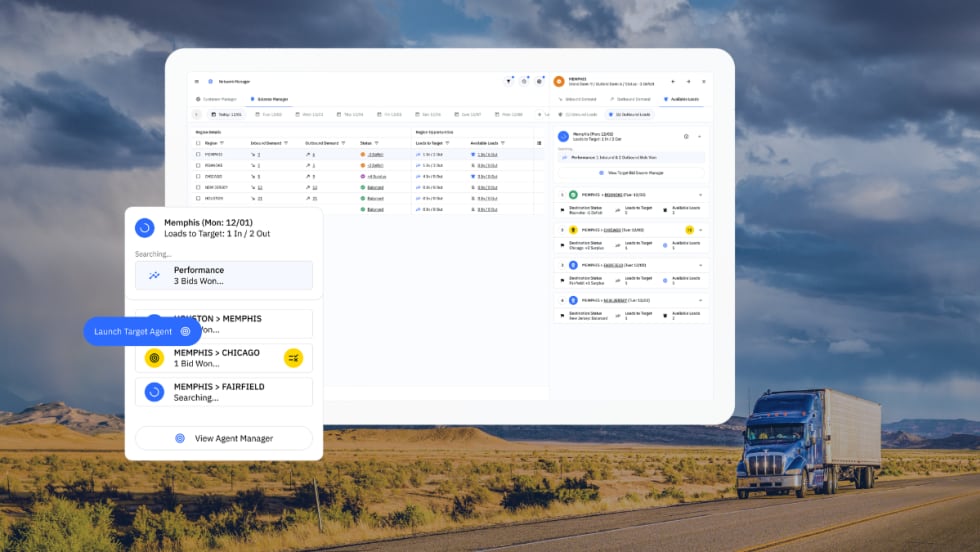
Optimal Dynamics says its new Scale platform uses AI agents and optimization to help carriers find and secure freight that improves network balance and profitability.
NACFE's Run on Less - Messy Middle project demonstrates the power of data in helping to guide the future of alternative fuels and powertrains for heavy-duty trucks.