



Consumer prices in the U.S. remained in check during September, increasing just 0.1%, according to the U.S. Labor Department.
 MENU
MENU SEARCH
Consumer prices in the U.S. remained in check during September, increasing just 0.1%, according to the U.S. Labor Department.


Consumer prices in the U.S. remained in check during September, increasing just 0.1%, according to the U.S. Labor Department.
The slight rise in the Consumer Price Index, which measures how much Americans pay for everything, follows a 0.2% decline in August.
Compared to September 2013, the index last month is 1.7% higher, which is below the Federal Reserve’s inflation target.
When volatile food and energy prices are stripped out, the CPI rose 0.1% in September. This measure was unchanged from August and is up 1.7% over the past year.
The CPI figures show lagging inflation levels that have Fed policymakers concerned. That should keep interest rates low for a longer period of time, according to Chief Market Strategist James Chen at the financial traders City Index. “After the data was released, the U.S. dollar advanced significantly against other major currency pairs including the euro, pound, and yen.”
The overall small hike in September consumer prices was due in part to a 0.3% increase in food prices, following similarly sized gains in August and July, while energy prices fell 0.7%, the third consecutive monthly decline, according to Sterne Agee Chief Economist Lindsey Piegza.
“With international turmoil, a strong dollar, and lingering weakness in the consumer sector as a result of minimal wage pressures, inflation is taking a backseat,” she said. “Hawks issued a rallying cry at the start of the year warning Federal Reserve officials to act before inflation was out of control. Now, however, it appears the more pressing issue is a disinflationary trend pushing the headline further from the Fed's 2% target.”

ACT Research data shows volumes hitting a four-year high and supply-demand balance strengthening, but higher oil prices are undercutting tariff relief and tempering optimism.
Read More →
The patent-pending cargo solution integrates a digitally connected cargo door and an intelligent locking system with the TrailerHawk.AI technology platform.
Read More →
The impact of the Iran conflict extends beyond fuel costs, bringing more fraud and cybersecurity risks to the trucking industry.
Read More →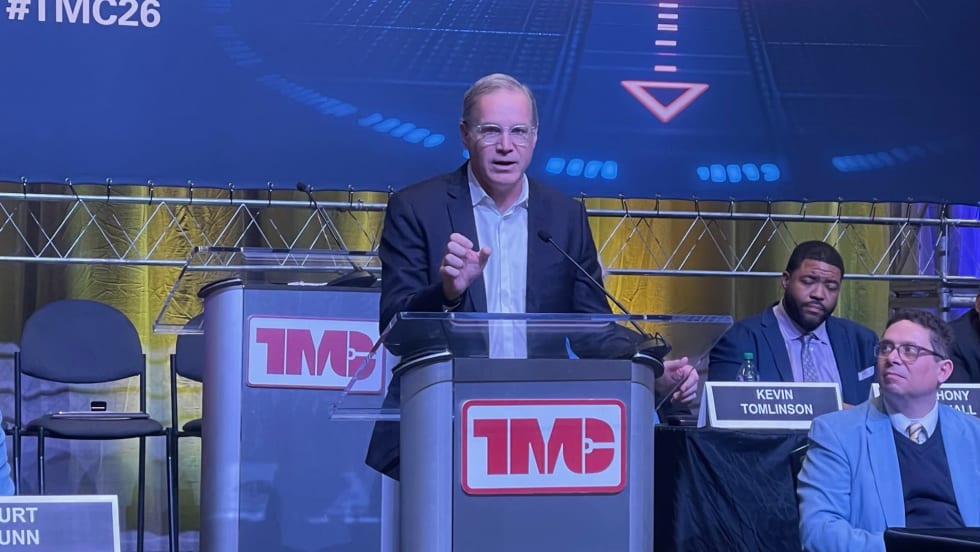
Speaking at the TMC Annual Meeting in Nashville, ATA President Chris Spear said trucking faces mounting pressure from rising fuel prices, geopolitical instability, and uncertainty around trade policy.
Read More →
More than 100,000 new trucking companies enter the industry each year, but regulators manage to audit only a fraction of them. That churn creates opportunities for inexperienced startups — and for “chameleon carriers” that shut down after safety violations and reappear under new identities. Read more from Deborah Lockridge in this commentary.
Read More →
HDTX is an intimate event that connects heavy-duty trucking fleet managers with industry suppliers through small-group discussions, educational sessions, and structured one-on-one meetings.
Read More →
New DAT One feature shows top-paying loads directly on an iPhone’s home screen, helping carriers react faster to spot-market opportunities.
Read More →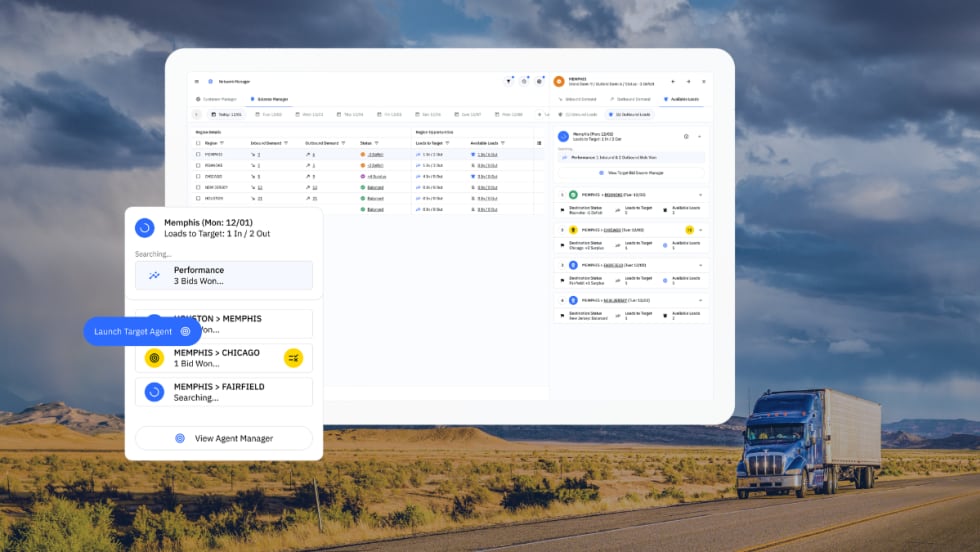
Optimal Dynamics says its new Scale platform uses AI agents and optimization to help carriers find and secure freight that improves network balance and profitability.
Read More →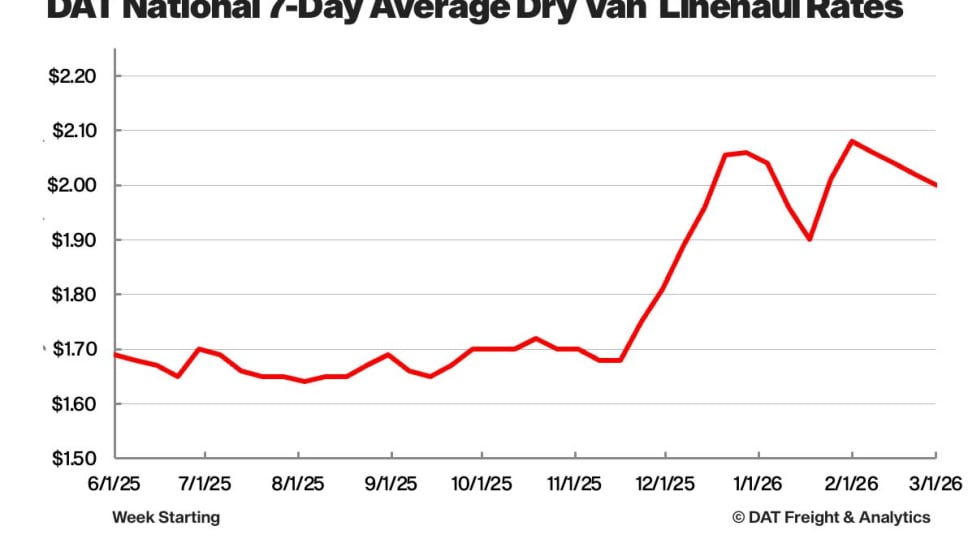
DAT Freight & Analytics data shows tightening flatbed capacity, easing produce markets, and softening van and reefer rates.
Read More →
NACFE's Run on Less - Messy Middle project demonstrates the power of data in helping to guide the future of alternative fuels and powertrains for heavy-duty trucks.
Read More →