



Housing starts in the U.S. jumped again in April, while the number of new building permits issued hit it best level since 2008, according to the U.S. Commerce Department.
 MENU
MENU SEARCH
Housing starts in the U.S. jumped again in April, while the number of new building permits issued hit it best level since 2008, according to the U.S. Commerce Department.


Housing starts in the U.S. jumped again in April, while the number of new building permits issued hit it best level since 2008, according to the U.S. Commerce Department.
The 13.2% increase in new construction from March pushes the annual rate to 1.072 million, the highest level since last November, 26.4% higher than the same time in 2013. Single-family home starts increased 0.8% in April, with the rest of the overall hike in the volatile apartment sector.
The number of building permits issued, an indicator of future home construction, increased 8% from March, hitting an annual rate of 1.08 million, 3.8% higher from April 2013 and the best rate since June 2008.
A separate report shows builder confidence in the market for newly built, single-family homes in May fell one point to 45 from a downwardly revised April reading of 46, according to the National Association of Home Builders/Wells Fargo Housing Market Index.
“After four months in which the HMI has shown little signs of fluctuation, it is clear that builder sentiment is becoming more in line with the market reality of a continuing but modest recovery,” said NAHB Chairman Kevin Kelly, “However, builders expressed some optimism that sales will pick up in the coming months.”
The index’s components were mixed in May. The component gauging sales expectations in the next six months rose one point to 57 and the component measuring buyer traffic increased two points to 33. The component gauging current sales conditions fell two points to 48.
“Builders are waiting for consumers to feel more secure about their financial situation,” said NAHB Chief Economist David Crowe. “Once job growth becomes more consistent, consumers will return to the market in larger numbers and that will boost builder confidence.”
Finally, a third reading on the health of the economy shows consumer feelings about the economy slipped this month, according to the Thompson Reuters/University of Michigan Index of Consumer Sentiment.
It fell to 81.8 from 84.1 in April, despite a consensus poll of economists who were forecasting a small increase.
"The main concern behind the small May loss involved dispiriting trends in wages," said Richard Curtin survey director. However, he noted "consumers judged the current state of the economy at the most favorable levels in ten years."

The American Transportation Research Institute will examine driver coaching, regulatory impacts — including the "Beyond Compliance" concept —and weather disruptions that shape trucking operations.
Read More →
Fleet Advantage's Brian Antonellis says it's time for fleets to get back to the fundamentals of good maintenance practices. And that includes replacing older, inefficient equipment.
Read More →
Load matching for flatbed, lowbed, oversize and overweight loads can't be automated like basic van freight, but Truckstop.com is adding more high-tech tools to help.
Read More →
An expanded Trucker Path and Truckstop.com integration brings more freight opportunities into the TruckLoads app while emphasizing security and network quality.
Read More →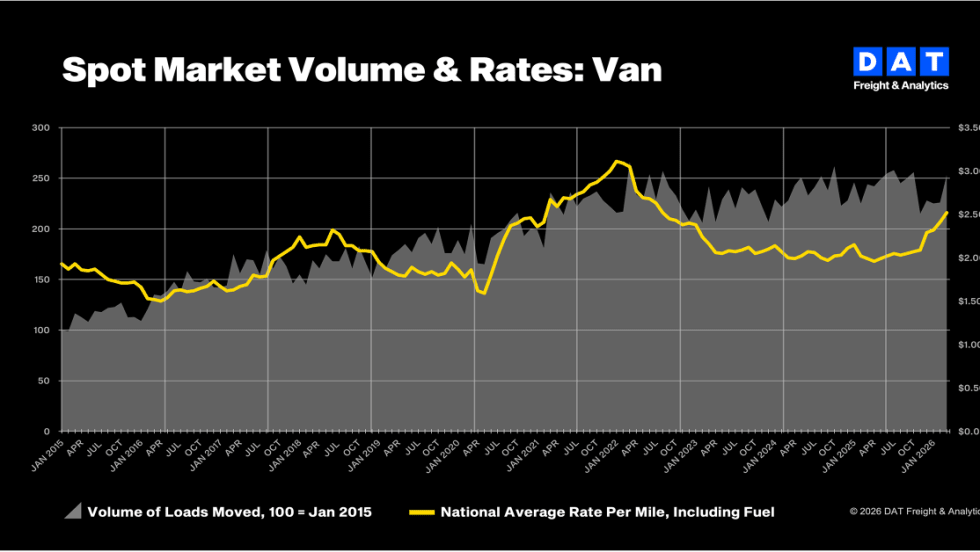
Strong March freight demand combined with a spike in fuel costs pushed both spot and contract truckload rates to their highest levels in more than two years.
Read More →
Everyone’s talking about AI — but is your transportation management system actually built for it?
Read More →
Being part of KTG will allow Sharp to expand and improve its services.
Read More →
The Fair Compensation for Truck Crash Victims Act would increase insurance requirements for interstate motor carriers by nearly seven times.
Read More →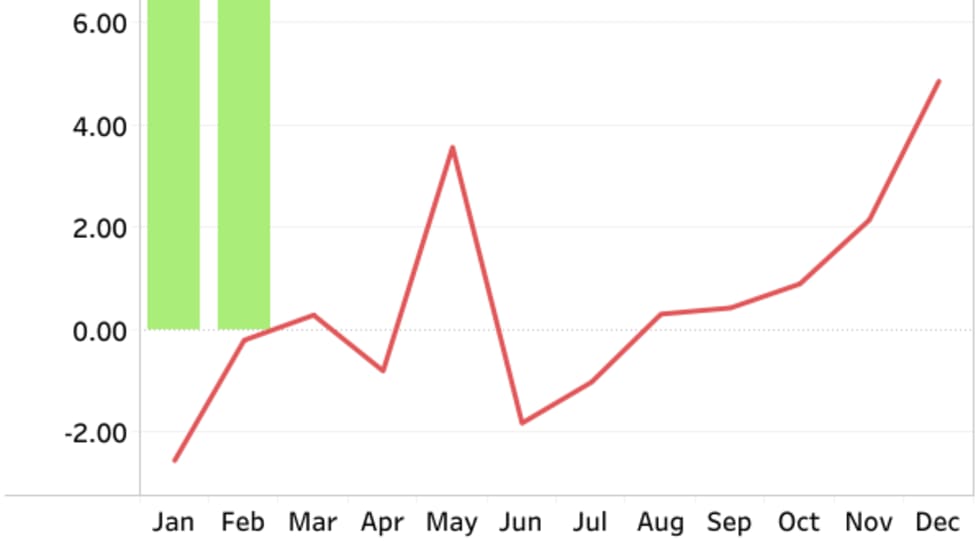
Strong freight rates push TCI to 10.2, but FTR expects fuel-price volatility to skew March results.
Read More →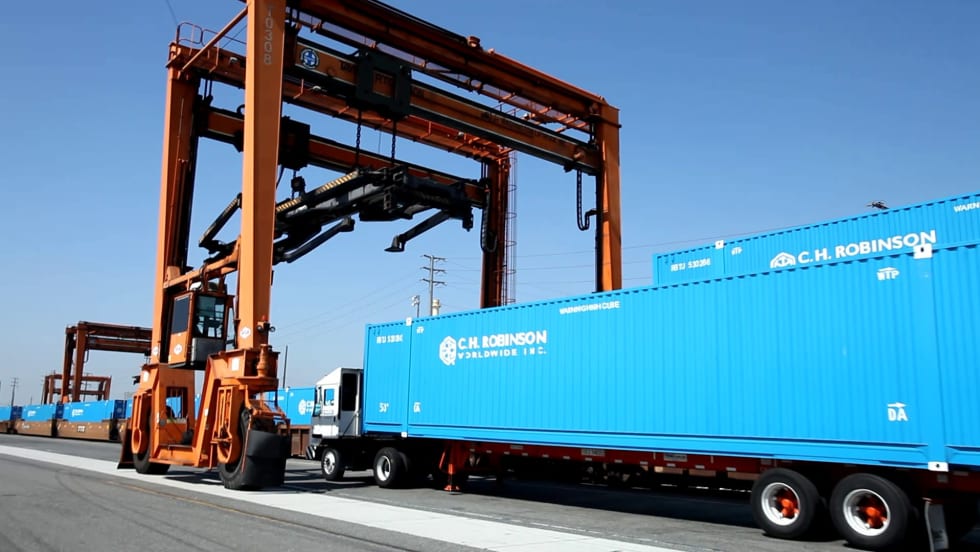
C.H. Robinson is waiving fees on fuel cards and cash advances for April and May, aiming to help carriers offset rising diesel costs tied to geopolitical instability.
Read More →