



A look at where the U.S. economy is headed in the next three to six months showed another rise, according to a new report from the private research group The Conference Board.
 MENU
MENU SEARCH
A look at where the U.S. economy is headed in the next three to six months showed another rise, according to a new report from the private research group The Conference Board.


Photo: Revisorweb via Wikimedia Common
A look at where the U.S. economy is headed in the next three to six months showed another rise, according to a new report from the private research group The Conference Board.
Its Leading Economic Index increased 0.2% in February from the month before to 121.4. This follows a 0.2% gain in January, and a 0.4% increase in December. This latest figure is less than the average from the final half of last year, but met many analyst expectations.
“Widespread gains among the leading indicators continue to point to short-term growth,” said Ataman Ozyildirim, economist at The Conference Board. “However, easing in the LEI’s six-month change suggests that we may be entering a period of more moderate expansion. With the February increase, the LEI remains in growth territory, but weakness in the industrial sector and business investment is holding economic growth back, despite improvements in labor markets and consumer confidence.”
The Conference Board’s Coincident Economic Index, which measures current economic activity for the U.S., increased 0.2% in February to 111.9, following a 0.2% improvement in January, and a 0.3% increase in December.
The Lagging Economic Index, which measures U.S. economic activity of previous months, increased 0.3% in February to 115.8, following a 0.3% gain in January, and a 0.2% increase in December.
The moderate economic growth Ozyildirim pointed to is the main reason the U.S. Federal Reserve on Wednesday modified its stance on earlier announced plans to raise interest rates, which have been at or near zero for several years.
In a statement the central bank said its Federal Open Market Committee is holding off on increasing interest rates until it has seen “further improvement” in the U.S. labor market and is confident inflation will be at an annual rate of 2%, well above its current level of around 0%.
It also cautioned “this change in the forward guidance does not indicate that the committee has decided on the timing of the initial increase". Previously, the Fed said it would be “patient” on determining when it would raise interest rates, but on Wednesday removed such language, leading some wondering if officials had run out of patience.
“Given the downward revision to the Fed’s forecast for rates and inflation over the next one to two years, we suspect there is more than enough concern among committee members regarding lingering, low inflation to keep the Fed on hold,” said Lindsey Piegza, chief economist at Sterne Agee. "After all, we’ve seen this wordsmithery before. Recall the Fed replaced ‘considerable time’ with ‘patient,’ two phrases which arguably mean the exact same thing. This time the Fed has replaced ‘patient’ with a lower assessment of inflation and rates which will similarly act as more than enough of a barrier for committee members to exercise patience in initiating liftoff [of higher interest rates].”

ACT Research data shows volumes hitting a four-year high and supply-demand balance strengthening, but higher oil prices are undercutting tariff relief and tempering optimism.
Read More →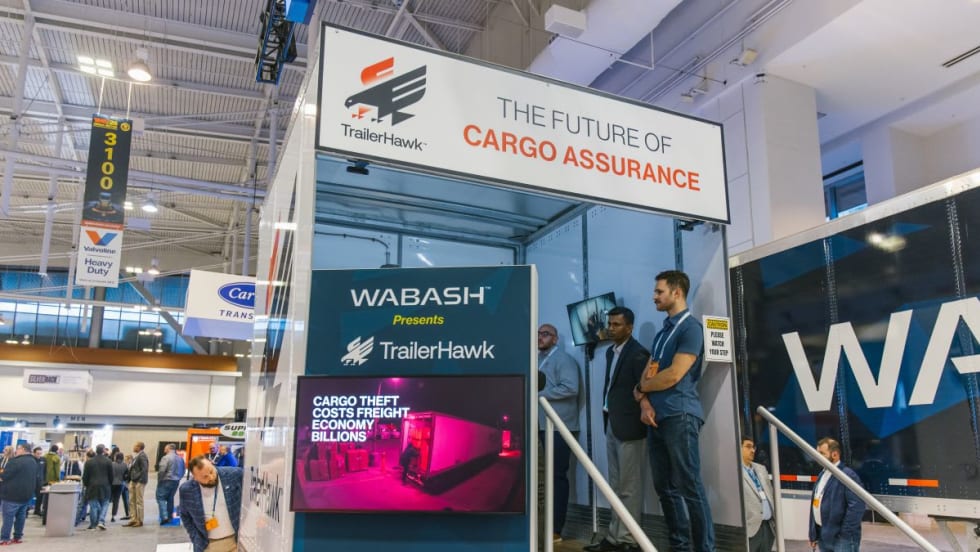
The patent-pending cargo solution integrates a digitally connected cargo door and an intelligent locking system with the TrailerHawk.AI technology platform.
Read More →
The impact of the Iran conflict extends beyond fuel costs, bringing more fraud and cybersecurity risks to the trucking industry.
Read More →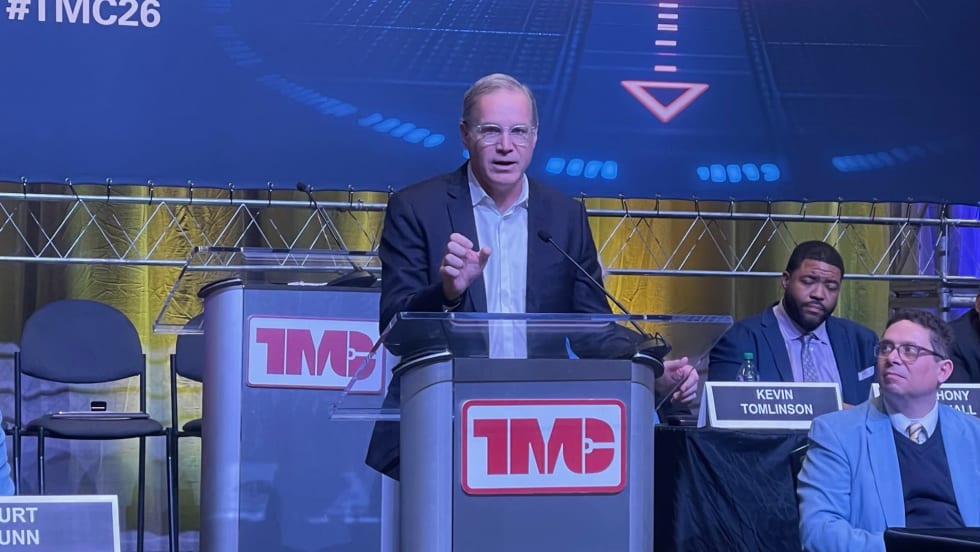
Speaking at the TMC Annual Meeting in Nashville, ATA President Chris Spear said trucking faces mounting pressure from rising fuel prices, geopolitical instability, and uncertainty around trade policy.
Read More →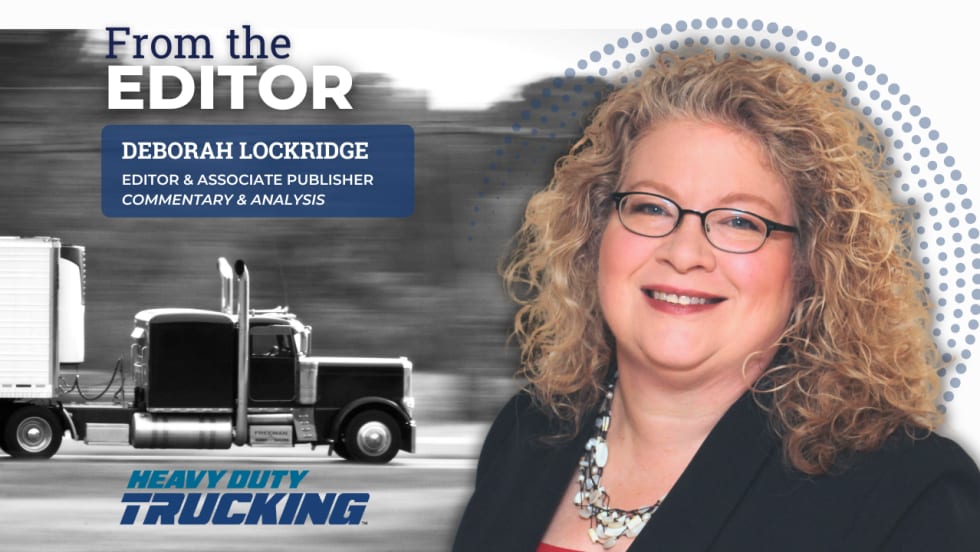
More than 100,000 new trucking companies enter the industry each year, but regulators manage to audit only a fraction of them. That churn creates opportunities for inexperienced startups — and for “chameleon carriers” that shut down after safety violations and reappear under new identities. Read more from Deborah Lockridge in this commentary.
Read More →
HDTX is an intimate event that connects heavy-duty trucking fleet managers with industry suppliers through small-group discussions, educational sessions, and structured one-on-one meetings.
Read More →
New DAT One feature shows top-paying loads directly on an iPhone’s home screen, helping carriers react faster to spot-market opportunities.
Read More →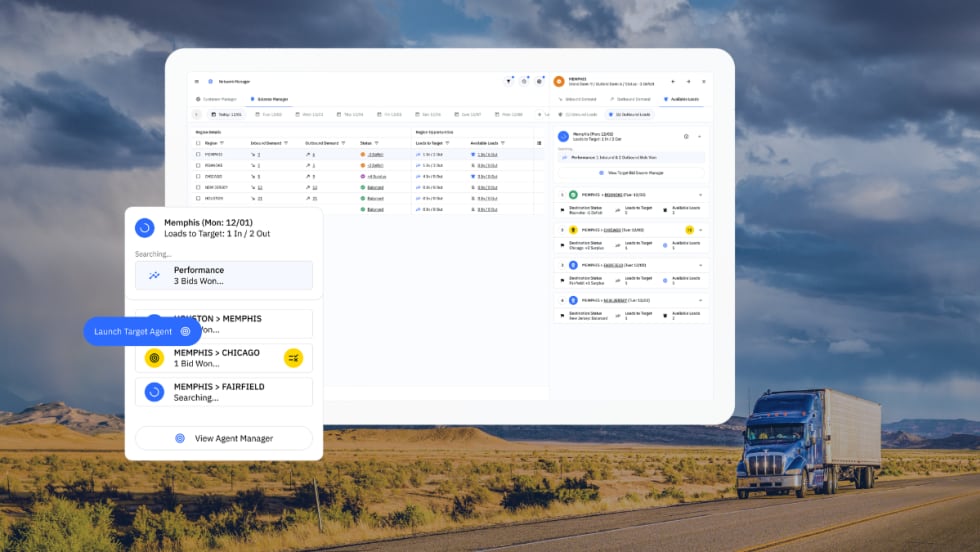
Optimal Dynamics says its new Scale platform uses AI agents and optimization to help carriers find and secure freight that improves network balance and profitability.
Read More →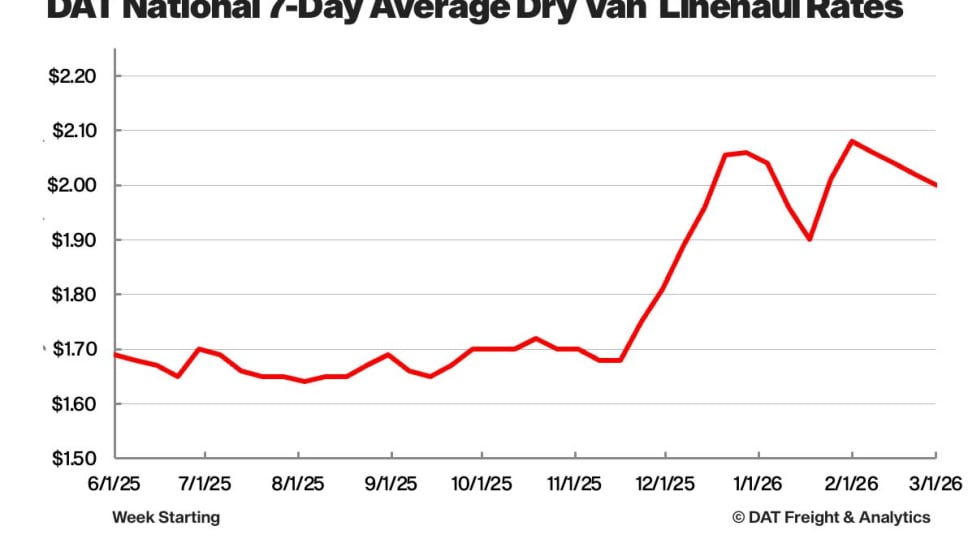
DAT Freight & Analytics data shows tightening flatbed capacity, easing produce markets, and softening van and reefer rates.
Read More →
NACFE's Run on Less - Messy Middle project demonstrates the power of data in helping to guide the future of alternative fuels and powertrains for heavy-duty trucks.
Read More →