





The Environmental Protection Agency is asking diesel engine makers to provide information about diesel exhaust fluid system failures as it considers changes to emissions regulations.
EPA Wants to Know: Are DEF De-Rates Really Needed for Diesel Emissions Compliance?
The Environmental Protection Agency is asking diesel engine makers to provide information about diesel exhaust fluid system failures as it considers changes to emissions regulations.
February 3, 2026
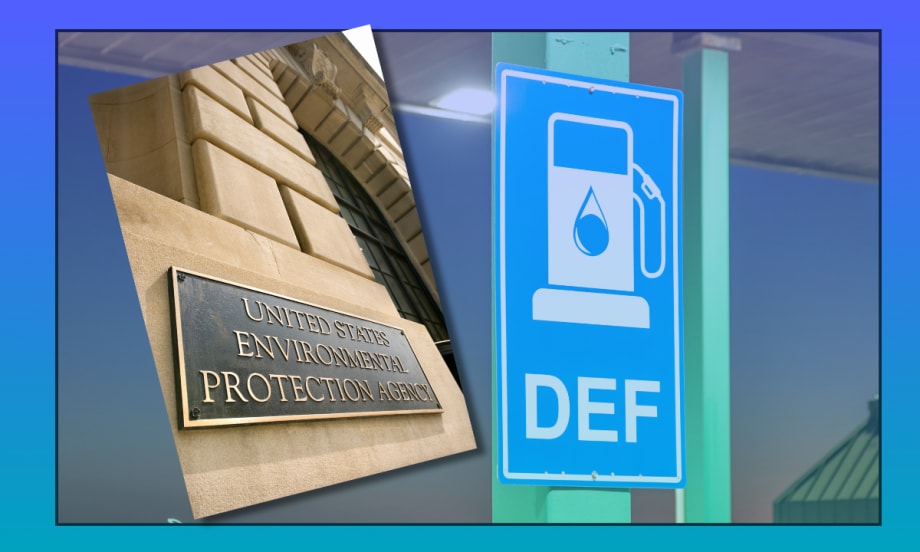
The EPA is demanding information from major diesel engine manufacturers on critical data from DEF system failures.
Credit:
HDT Graphic
3 min to read
- The EPA is seeking input from diesel engine manufacturers regarding failures in diesel exhaust fluid systems.
- This is part of the EPA's considerations for changing emissions regulations.
- The agency is questioning the necessity of diesel DEF de-rates for maintaining emissions compliance.
*Summarized by AI
The move is a follow-up to the EPA’s guidance last August to address the frustration experienced by truckers when DEF system failures result in sudden speed losses and shutdowns.
That guidance called on manufacturers to revise DEF system software in existing fleets to prevent these sudden shutdowns and give operators more time to repair faults.
What's the Problem with De-Rates?
Previously under the EPA emissions regulations, if DEF ran out or there was an unexpected mechanical failure, the vehicle would “de-rate,” or drastically reduce. In many cases, vehicles were limited to as little as 5 mph within hours of a DEF-related fault, according to the EPA.
EPA now is pursuing rulemaking opportunities to provide further relief. As it is working on its proposal for the reconsideration of the 2022 Heavy-Duty Engine and Vehicle NOx rule, it is considering whether derates may no longer be necessary for compliance.
To that end, EPA is demanding information from major diesel engine manufacturers on critical data from DEF system failures. The data collected will allow EPA to independently evaluate ongoing system failures and help inform the next steps the agency takes in 2026 pertaining to DEF.
Calling the problem “a massive issue,” EPA Administrator Lee Zeldin said that on top of that “commonsense guidance” put out last August, “Today, we are furthering that work and demanding detailed data to hold manufacturers accountable for the continued system failures.”
What Information Does EPA Want From Engine Makers?
Under Section 208(a) of the Clean Air Act, EPA is authorized to require manufacturers to provide information needed to assess whether emission control systems are functioning properly and whether manufacturers are meeting their obligations to identify and fix defects.
EPA is demanding information from the top 14 on-road and nonroad manufacturers that account for over 80% of all products used in DEF systems.
Specifically, EPA is requiring data on warranty claims, failure rates, and repair information for Model Years (MY) 2016, 2019, and 2023 emission control products to determine whether ongoing DEF system failures are related to a specific generation of products.
Manufacturers will have 30 days to provide the requested information; failure may result in additional inquiries or penalties.
The agency said in a news release that it is “committed to working with manufacturers to ensure practical, durable solutions that simultaneously support emissions reductions and reliable operations.
“EPA has been meeting with manufacturers to receive updates on their progress in developing improved software in response to EPA’s guidance. The agency has consistently encouraged manufacturers to provide the relief as quickly as possible. “
Background
Since 2010, most on-road diesel trucks and many types of nonroad equipment (such as tractors and construction machinery) have used selective catalytic reduction systems that inject DEF into exhaust streams to reduce nitrogen oxide emissions.
Under the Trump EPA’s August guidance, major changes were undertaken. Heavy-duty trucks now should only receive a warning light for 650 miles or 10 hours after a fault is detected.
Following that time, the engine will only mildly derate, allowing trucks to operate normally and without speed limits for up to 4,200 miles or two work weeks. Only after about four work weeks does speed drop to 25 mph until repairs are made.
In addition to EPA’s August 2025 guidance, EPA stated that starting with MY 2027, all new diesel on-road trucks must be engineered to avoid sudden and severe power loss after running out of DEF.
More Equipment

Technology & Maintenance Council 2026 Annual Meeting [Photos]
Couldn't make it to Nashville for TMC's 2026 annual meeting? Check out these images.
Read More →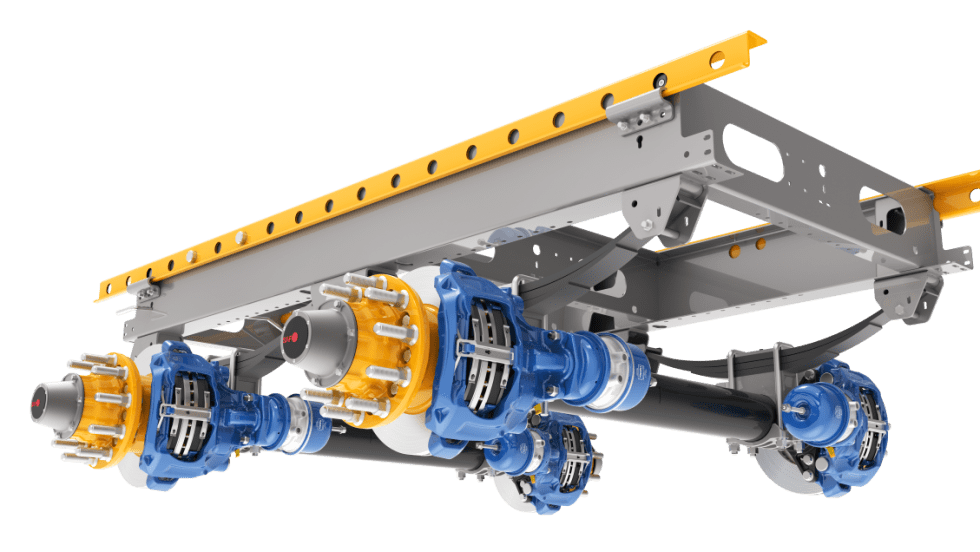
SAF-Holland Redesigns Suspension Slider to Save Weight in On-Highway Trailers
SAF-Holland reengineered the UltraLite40 Slider for the ULX40 Mechanical Sliding Suspension and Axle System to reduce weight, improve durability, extend trailer life, and increase payload efficiency.
Read More →
Volvo Teases Next-Gen VNX as Platform Expansion Continues at TMC
Volvo Trucks North America highlighted new connectivity, safety tech and production investments at TMC. The OEM also signaled that a new heavy-haul flagship tractor is coming soon.
Read More →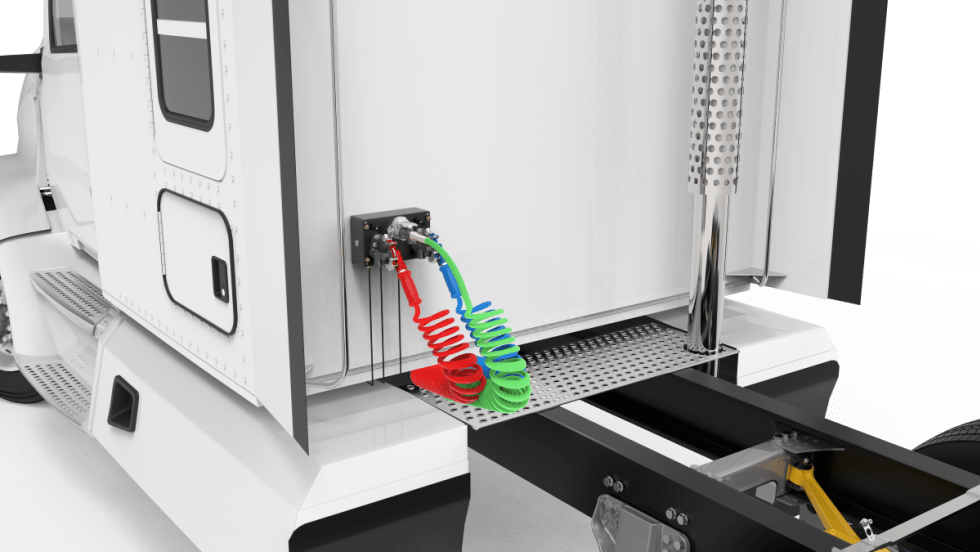
SAF-Holland Introduces SmartSto System for Safer Tractor-Trailer Uncoupling
The system combines a fifth-wheel air release with stowage for air and electrical connections, helping prevent damage and reducing driver injury risk.
Read More →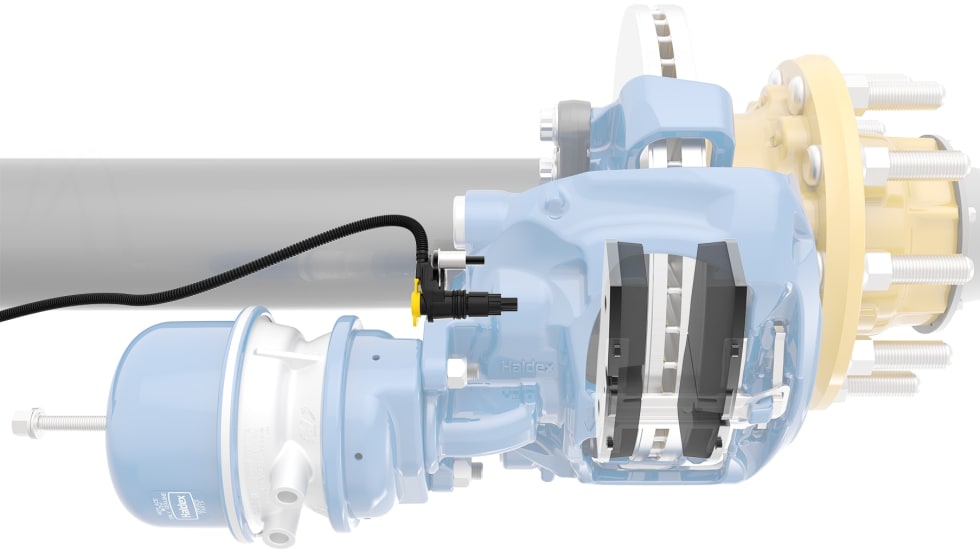
SAF-Holland’s BrakeSight Aims to Take the Guesswork Out of Air Disc Brake Maintenance
New Haldex sensor technology from SAF-Holland integrates with telematics systems to give fleets continuous insight into air disc brake condition.
Read More →
Vanair Introduces Solar, Battery Power Ecosystem for Class 8 Trucks
The company’s expanded EPEQ ecosystem includes flexible solar panels, lithium batteries, hydraulic power systems, and a portable fast charger for electric trucks.
Read More →
Phillips Connect Expands Smart Trailer Platform with New Safety, Cargo and Equipment Intelligence
Phillips Connect Smart Trailer enhancements give fleets deeper operational insights from trailers -- even when another provider supplies basic GPS tracking.
Read More →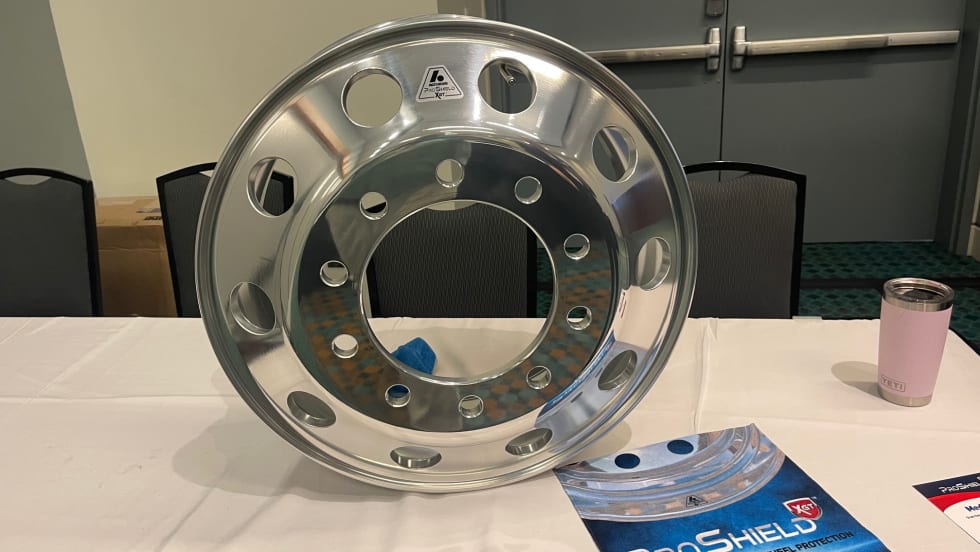
Accuride Unveils ProShield XGT Aluminum Wheel Coating at TMC
Accuride’s patent-pending surface-coating technology targets filiform corrosion and promises easier cleaning, longer-lasting gloss, and greater durability for aluminum truck wheels.
Read More →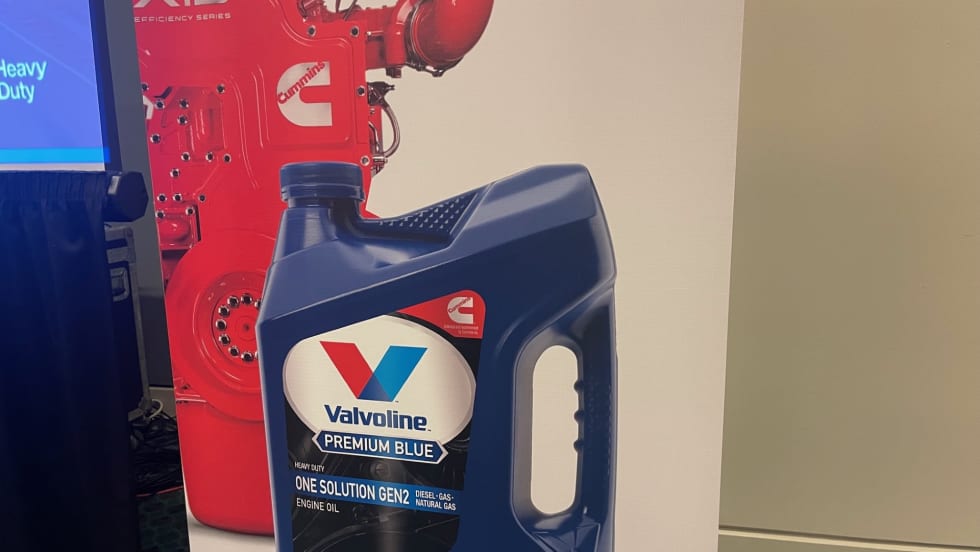
Valvoline, Cummins Extend X15 Oil Drain Intervals to 100,000 Miles
New approval for Valvoline Premium Blue One Solution Gen2 allows fleets running Cummins X15 engines to extend oil drain intervals by up to 25,000 miles -- reaching intervals as high as 100,000 miles.
Read More →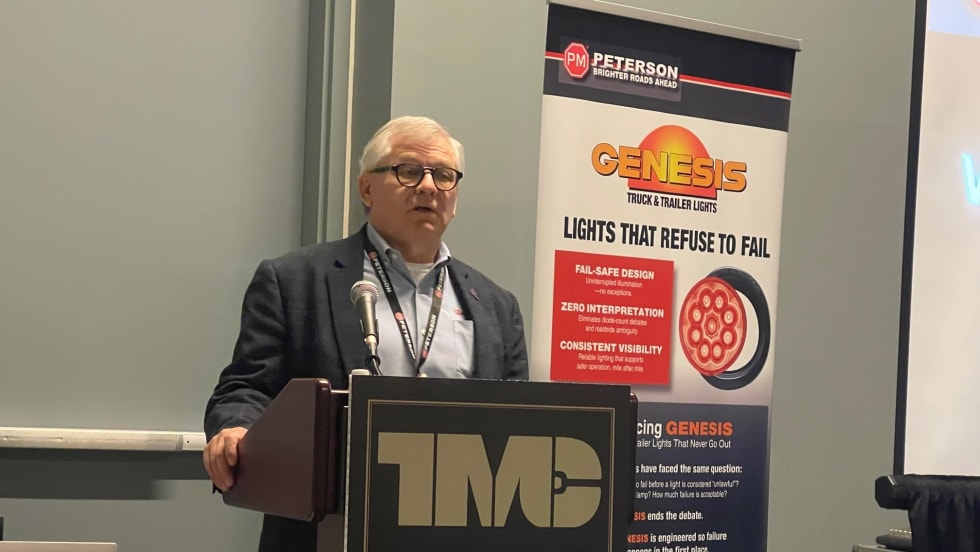
A New Approach to Lighting Reliability
Peterson’s Genesis lighting system and repairable J560 connector target two persistent fleet problems: LED light failures and costly electrical connector downtime.
Read More →