




The Federal Motor Carrier Safety Administration announced on Jan. 15 that it is formally initiating a Safety Fitness Determination rulemaking that will “enhance the agency’s ability to identify non-compliant motor carriers.”
 MENU
MENU SEARCH
The Federal Motor Carrier Safety Administration announced on Jan. 15 that it is formally initiating a Safety Fitness Determination rulemaking that will “enhance the agency’s ability to identify non-compliant motor carriers.”
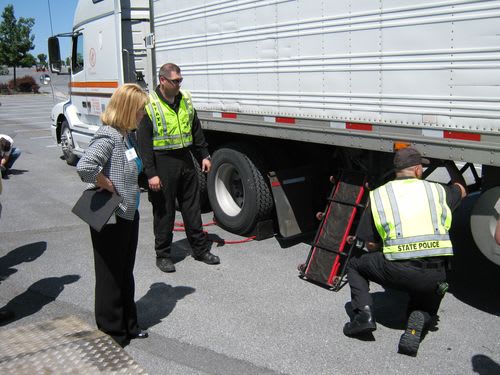
Photo: U.S. DOT
The Federal Motor Carrier Safety Administration announced on Jan. 15 that it is formally initiating a Safety Fitness Determination rulemaking that will “enhance the agency’s ability to identify non-compliant motor carriers.”
FMCSA said the SFD Notice of Proposed Rulemaking updates the agency’s safety fitness rating methodology by “integrating on-road safety data from inspections, along with the results of carrier investigations and crash reports, to determine a motor carrier’s overall safety fitness on a monthly basis.”
Word of the proposed rule, in the works since 2007, came three days after a coalition of trucking stakeholders announced they would challenge the validity of the rulemaking because it would “ignore the clear mandates of the FAST Act [the recently passed highway bill]” by incorporating] current on-road safety performance data.
FMSCA said the proposed SFD rule would replace the current three-tier federal rating system of “satisfactory–conditional–unsatisfactory,” which has been in place since 1982, with a single determination of “unfit.”
A carrier that is determined to be unfit would be required to either improve its operations or cease operations.
The agency also said the proposal would permit FMCSA to assess the safety fitness of approximately 75,000 companies a month. By comparison, it is now only able to investigate 15,000 motor carriers annually– with less than half of those companies receiving a safety rating.
Per FMCSA, the proposed methodology would determine when a carrier is not fit to operate commercial motor vehicles based on:
The carrier’s performance in relation to a fixed failure threshold established in the rule for five of the agency’s Behavior Analysis and Safety Improvement Categories (BASICs)
Investigation results; or
A combination of on-road safety data and investigation information
“The proposed rule further incorporates rigorous data sufficiency standards and would require that a significant pattern of non-compliance be documented in order for a carrier to fail a BASIC,” FMCSA stated.
When assessing roadside inspection data results, the proposal uses a minimum of 11 inspections with violations in a single BASIC within a 24-month period before a motor carrier “could be eligible to be identified as ‘unfit.’ If a carrier’s individual performance meets or exceeds the failure standards in the rule, it would then fail that BASIC. The failure standard will be fixed by the rule. A carrier’s status in relation to that fixed measure would not be affected by other carriers’ performance.”
FMCSA said that failure of a BASIC based on either crash data or compliance with drug and alcohol requirements would only occur following a comprehensive investigation.
The agency estimates that under the proposed rule, less than 300 carriers each year would be proposed as “unfit” solely as a result of on-road safety violations. FMCSA said its analysis has shown that carriers identified through this on-road safety data have crash rates of almost four times the national average.
“This update to our methodology will help the agency focus on carriers with a higher crash risk,” said Scott Darling, FMCSA’s acting administrator. “Carriers that we identify as unfit to operate will be removed from our roadways until they improve.”
FMCSA will publish the Safety Fitness Determination NPRM in the Federal Register on Jan. 21. The proposal will be available at www.regulations.gov at docket number FMCSA-2015-0001. Initial comments will be due March 31, 2016, and response comments will be accepted for an additional 30 days.

The American Transportation Research Institute will examine driver coaching, regulatory impacts — including the "Beyond Compliance" concept —and weather disruptions that shape trucking operations.
Read More →
Fleet Advantage's Brian Antonellis says it's time for fleets to get back to the fundamentals of good maintenance practices. And that includes replacing older, inefficient equipment.
Read More →
Load matching for flatbed, lowbed, oversize and overweight loads can't be automated like basic van freight, but Truckstop.com is adding more high-tech tools to help.
Read More →
An expanded Trucker Path and Truckstop.com integration brings more freight opportunities into the TruckLoads app while emphasizing security and network quality.
Read More →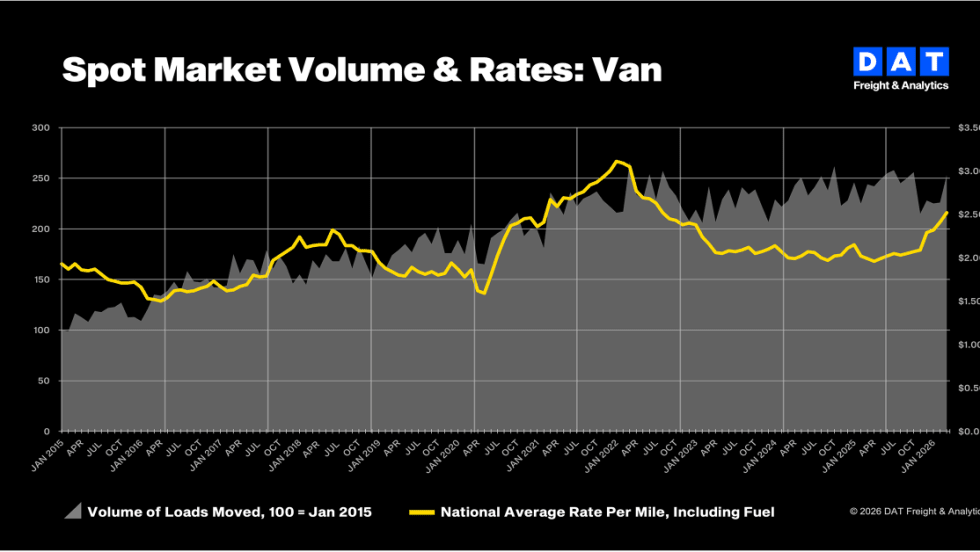
Strong March freight demand combined with a spike in fuel costs pushed both spot and contract truckload rates to their highest levels in more than two years.
Read More →
Everyone’s talking about AI — but is your transportation management system actually built for it?
Read More →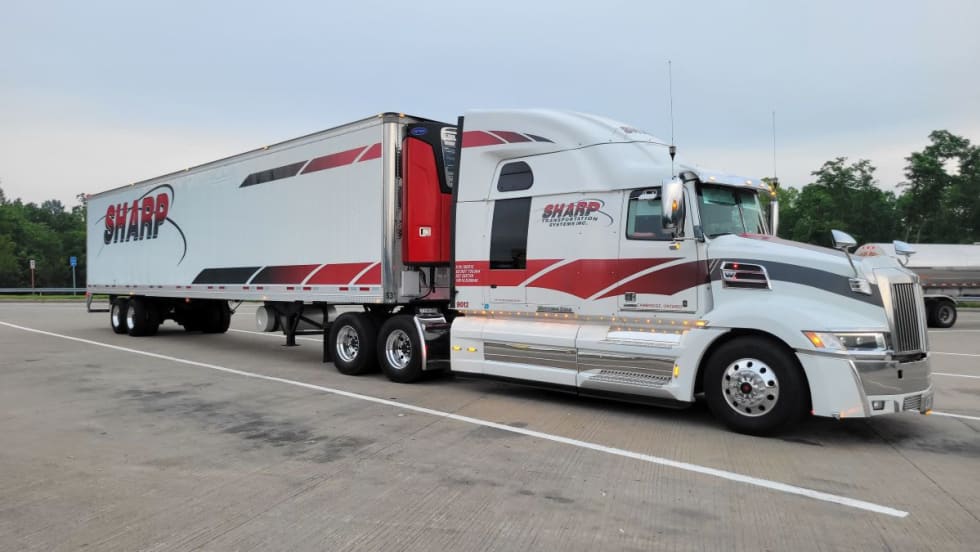
Being part of KTG will allow Sharp to expand and improve its services.
Read More →
The Fair Compensation for Truck Crash Victims Act would increase insurance requirements for interstate motor carriers by nearly seven times.
Read More →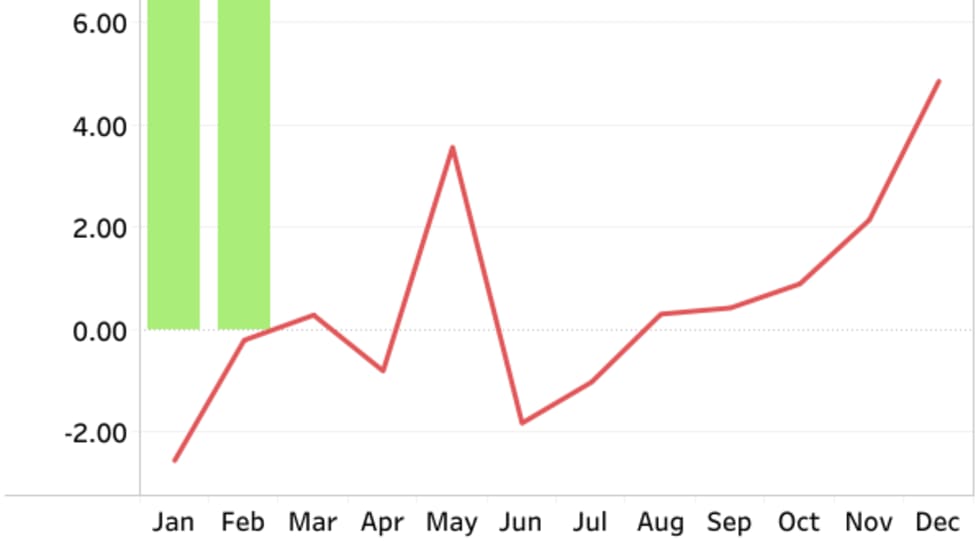
Strong freight rates push TCI to 10.2, but FTR expects fuel-price volatility to skew March results.
Read More →
C.H. Robinson is waiving fees on fuel cards and cash advances for April and May, aiming to help carriers offset rising diesel costs tied to geopolitical instability.
Read More →