




Notice of a proposed rule that would increase the use of inspection data in making Safety Fitness Determinations for motor carriers is expected to be published by Dec. 29, according to the Federal Motor Carrier Safety Administration.
 MENU
MENU SEARCH
Notice of a proposed rule that would increase the use of inspection data in making Safety Fitness Determinations for motor carriers is expected to be published by Dec. 29

Image: FMCSA
Notice of a proposed rule that would increase the use of inspection data in making Safety Fitness Determinations for motor carriers is expected to be published by Dec. 29, according to the Federal Motor Carrier Safety Administration.
If that date is met, a comment period on the notice of proposed rulemaking would then be opened and run until March 29, 2016.
Even though the agency has been working up its Carrier Safety Fitness Determination (RIN 2126-AB11) rulemaking since 2007, few details on the proposal have yet been divulged.
FMCSA said it is proposing to adopt “revised methodologies” for determining when a motor carrier is not fit to operate based on: (1) the carrier's on-road safety performance in relation to five of the seven Behavioral Analysis and Safety Improvement Categories (BASICs) tracked by the agency’s CSA program; (2) an investigation; or (3) a combination of on-road safety data and investigation information.
“The intended effect of this action is to more effectively use FMCSA data and resources to identify unfit motor carriers and to remove them from the nation's roadways,” the agency stated.
It remains to be seen if the removal of CSA scores from public view, which resulted from a reform provision within the new FAST ACT highway bill, will impact the proposed rule’s use, at least in part, of data derived from most of the BASICs categories.
FMCSA said that, as of Dec. 4, “much of the information previously available on the FMCSA website related to property carrier’s compliance and safety performance will no longer be displayed publicly.”
The agency stated that while it is not prohibited from displaying all of the data from its CSA program, no information will be available for motor carriers “while appropriate changes are made.”
In an explanatory note, FMCSA said the Safety Fitness Determination rulemaking has been delayed up to this point by a need for additional coordination as well as "unanticipated issues requiring further analysis.”

ACT Research data shows volumes hitting a four-year high and supply-demand balance strengthening, but higher oil prices are undercutting tariff relief and tempering optimism.
Read More →
The patent-pending cargo solution integrates a digitally connected cargo door and an intelligent locking system with the TrailerHawk.AI technology platform.
Read More →
The impact of the Iran conflict extends beyond fuel costs, bringing more fraud and cybersecurity risks to the trucking industry.
Read More →
Speaking at the TMC Annual Meeting in Nashville, ATA President Chris Spear said trucking faces mounting pressure from rising fuel prices, geopolitical instability, and uncertainty around trade policy.
Read More →
More than 100,000 new trucking companies enter the industry each year, but regulators manage to audit only a fraction of them. That churn creates opportunities for inexperienced startups — and for “chameleon carriers” that shut down after safety violations and reappear under new identities. Read more from Deborah Lockridge in this commentary.
Read More →
HDTX is an intimate event that connects heavy-duty trucking fleet managers with industry suppliers through small-group discussions, educational sessions, and structured one-on-one meetings.
Read More →
New DAT One feature shows top-paying loads directly on an iPhone’s home screen, helping carriers react faster to spot-market opportunities.
Read More →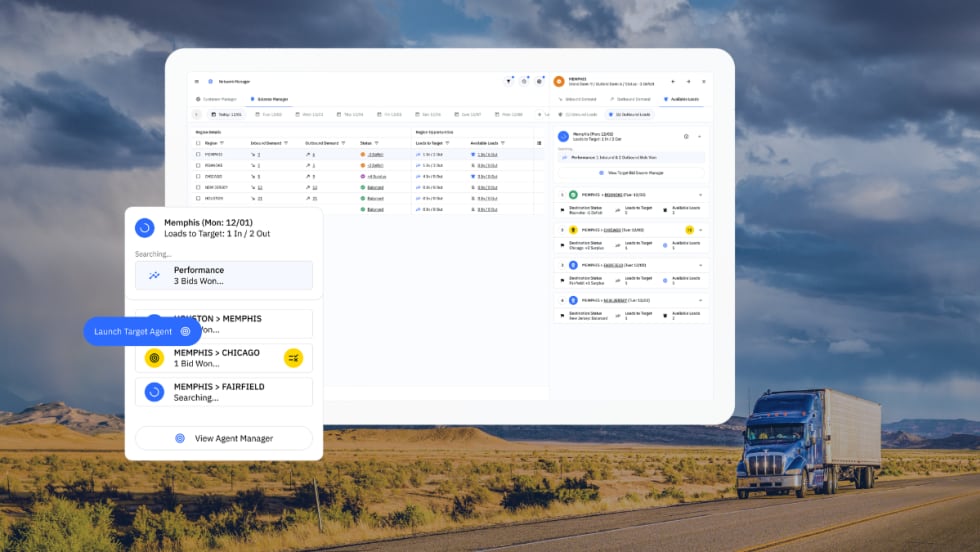
Optimal Dynamics says its new Scale platform uses AI agents and optimization to help carriers find and secure freight that improves network balance and profitability.
Read More →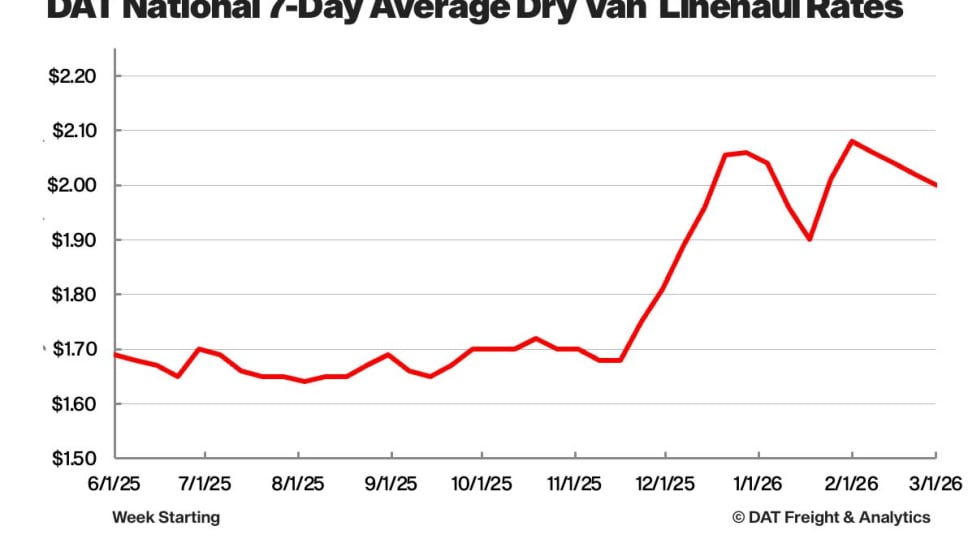
DAT Freight & Analytics data shows tightening flatbed capacity, easing produce markets, and softening van and reefer rates.
Read More →
NACFE's Run on Less - Messy Middle project demonstrates the power of data in helping to guide the future of alternative fuels and powertrains for heavy-duty trucks.
Read More →