



Freight shipments and payments rose in September following two straight monthly declines, according to the latest Cass Freight Index.
 MENU
MENU SEARCH
Freight shipments and payments rose in September following two straight monthly declines, according to the latest Cass Freight Index.

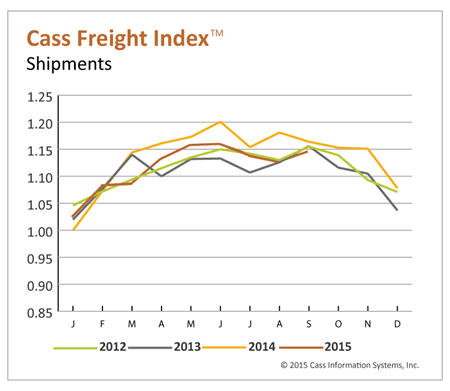
Freight shipments and payments rose in September following two straight monthly declines, according to the latest Cass Freight Index.
Shipments increased 1.7% while expenditures improved 2.4% from August, but were still down from a year earlier. Shipments fell 1.5% while expenditures showed a 6.6% decline.
The increase in shipments was expected and part of the usual holiday season increase, which coincides the higher freight payments, according to Rosalyn Wilson, supply chain expert, and senior business analyst with the management services firm Parsons, who provides analysis for the report.
“Spot prices have been lower because of adequate capacity during the slowdown in August,” Wilson wrote in the report. “Trucking companies are holding rate increases down, and offering capacity guarantees in exchange for higher rates. There has also been a steady growth in dedicated carriage agreements. We expect rate increases for the trucking sector to be modest through the end of the year.”
Wilson said many factors are affecting the current volume of freight, not the least of which is mounting inventory levels.
"All business inventories are continuing to grow, as are inventory‐to‐sales ratios, indicating that we are not at optimal levels given inventory turnover rates,” she said. “Low interest rates, favorable import prices and moderate storage costs have encouraged the buildup, but even a one percent rise in interest rates could fuel a 2.3% rise in total logistics costs at current inventory levels.”
Wilson noted with the Federal Reserve choosing not to raise interest rates at its recent meeting, but not ruling out an increase prior to year‐end, the potential for an uptick in consumer spending and a drawdown in inventory levels is uncertain.
Data within the Cass Freight Index includes all domestic freight modes and is derived from $26 billion in freight transactions processed by Cass Information System annually on behalf of its client base of hundreds of large shippers.

ACT Research data shows volumes hitting a four-year high and supply-demand balance strengthening, but higher oil prices are undercutting tariff relief and tempering optimism.
Read More →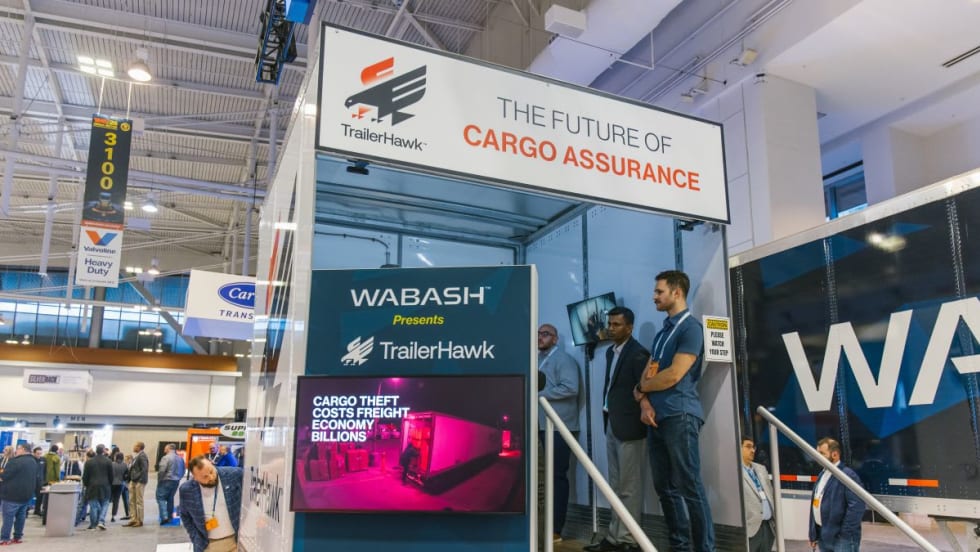
The patent-pending cargo solution integrates a digitally connected cargo door and an intelligent locking system with the TrailerHawk.AI technology platform.
Read More →
The impact of the Iran conflict extends beyond fuel costs, bringing more fraud and cybersecurity risks to the trucking industry.
Read More →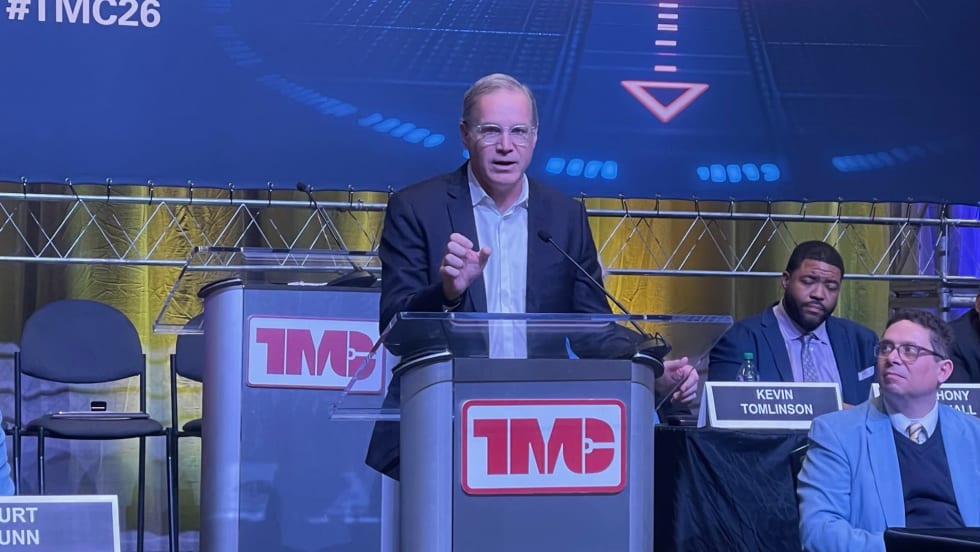
Speaking at the TMC Annual Meeting in Nashville, ATA President Chris Spear said trucking faces mounting pressure from rising fuel prices, geopolitical instability, and uncertainty around trade policy.
Read More →
More than 100,000 new trucking companies enter the industry each year, but regulators manage to audit only a fraction of them. That churn creates opportunities for inexperienced startups — and for “chameleon carriers” that shut down after safety violations and reappear under new identities. Read more from Deborah Lockridge in this commentary.
Read More →
HDTX is an intimate event that connects heavy-duty trucking fleet managers with industry suppliers through small-group discussions, educational sessions, and structured one-on-one meetings.
Read More →
New DAT One feature shows top-paying loads directly on an iPhone’s home screen, helping carriers react faster to spot-market opportunities.
Read More →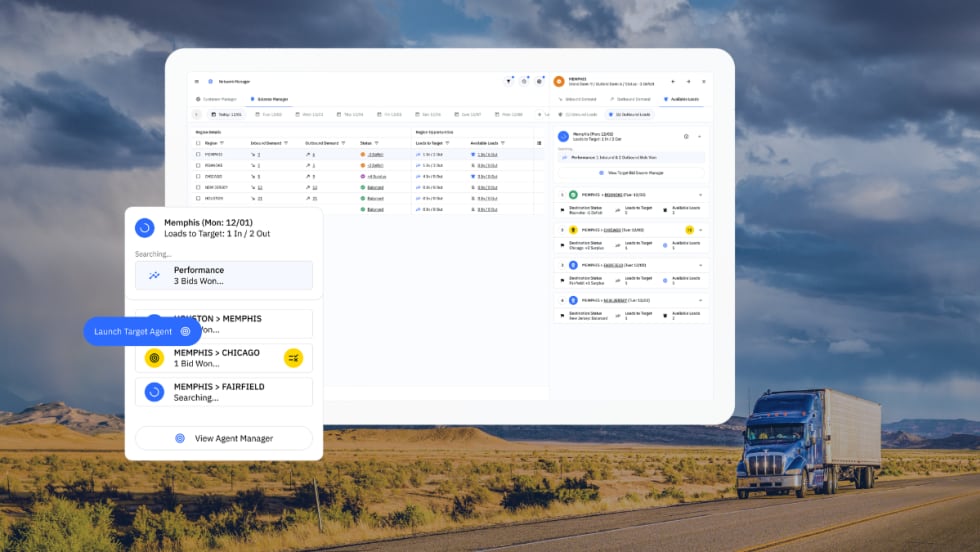
Optimal Dynamics says its new Scale platform uses AI agents and optimization to help carriers find and secure freight that improves network balance and profitability.
Read More →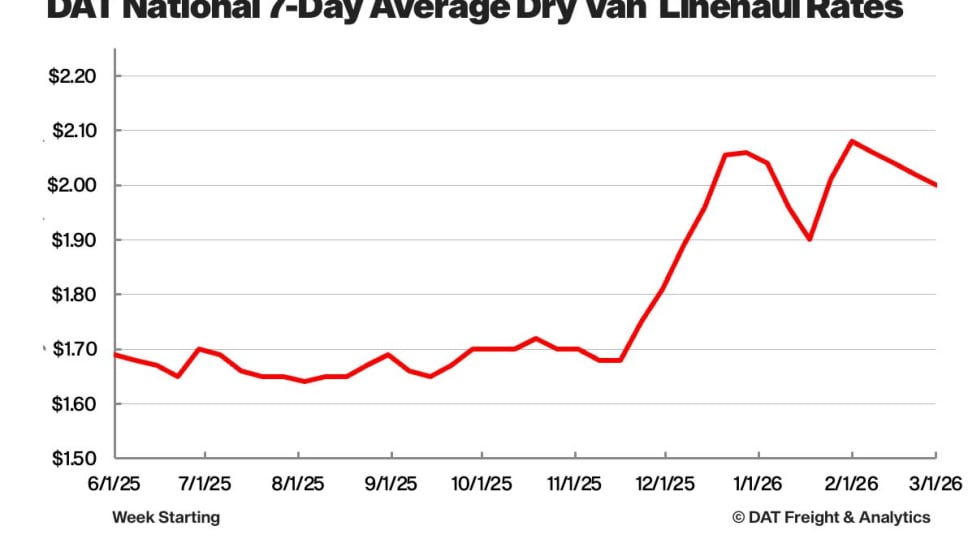
DAT Freight & Analytics data shows tightening flatbed capacity, easing produce markets, and softening van and reefer rates.
Read More →
NACFE's Run on Less - Messy Middle project demonstrates the power of data in helping to guide the future of alternative fuels and powertrains for heavy-duty trucks.
Read More →