





Improving freight rates and tighter capacity push FTR’s Trucking Conditions Index to its highest level in nearly four years.
FTR: Trucking Conditions Hit Four-Year High as Rates and Capacity Tighten
Improving freight rates and tighter capacity push FTR’s Trucking Conditions Index to its highest level in nearly four years.
February 10, 2026

Credit:
FTR and Associates
2 min to read
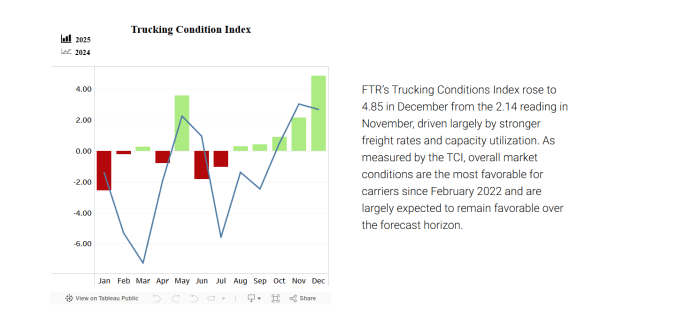
FTR’s Trucking Conditions Index (TCI) surged in December to its strongest reading in nearly four years, signaling the most favorable operating environment for carriers since early 2022.
The TCI jumped to 4.85 in December, up sharply from 2.14 in November, driven primarily by improving freight rates and stronger capacity utilization.
According to FTR, overall market conditions are now firmly positive for carriers and are expected to remain supportive through the forecast horizon.
Consistently Favorable Economic Conditions
“The TCI already indicated consistently favorable conditions for trucking companies over the next couple of years, but the latest outlook is even stronger,” said Avery Vise, FTR vice president of trucking. “FTR’s forecasts for the economy and for industrial activity improved significantly in the latest adjustment.”
Credit:
FTR & Associates
Vise cautioned that some of the economic data underpinning the improved outlook is relatively recent and subject to revision. Even so, he said multiple independent indicators are reinforcing the more optimistic view of the truck freight market.
Among those signals are sharp spot rate increases following recent bouts of severe winter weather, as well as a solid January manufacturing index reading from the Institute for Supply Management.
While FTR is not forecasting a return to the extreme market conditions seen in 2021, Vise noted that a market approaching that level of strength is no longer out of the question.
“FTR is not forecasting anything like the 2021 market,” Vise said, “but something close to it no longer seems inconceivable.”
Tracking Five Key Industry Variables
The Trucking Conditions Index is designed to provide a broad, forward-looking snapshot of the industry’s health. It does so by tracking five key variables: freight volumes, freight rates, fleet capacity, fuel prices, and financing costs.
Those factors are combined into a single index number, with positive readings indicating favorable conditions for carriers and negative readings pointing to a more challenging environment.
Readings near zero reflect neutral conditions, while double-digit values in either direction suggest significant shifts in the operating landscape.
Additional detail on December’s TCI reading and the factors behind FTR’s revised freight outlook are included in the February issue of FTR’s Trucking Update, published Jan. 30. The report includes analysis of load volumes, capacity trends, rates, and broader economic conditions shaping the U.S. truck freight market.
More Fleet Management

ACT: Trucking Volumes Rise, Capacity Tightens as Fuel Prices Cloud Outlook
ACT Research data shows volumes hitting a four-year high and supply-demand balance strengthening, but higher oil prices are undercutting tariff relief and tempering optimism.
Read More →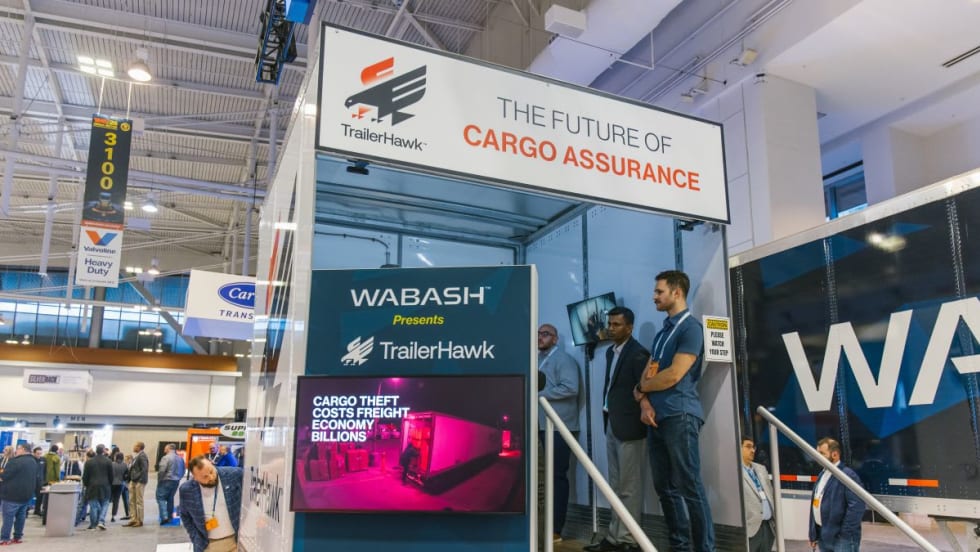
Wabash Teams Physical Security With Digital Tech For Better Cargo Visibility
The patent-pending cargo solution integrates a digitally connected cargo door and an intelligent locking system with the TrailerHawk.AI technology platform.
Read More →
From Diesel Prices to Cyberattacks: How the Iran War Is Affecting Trucking
The impact of the Iran conflict extends beyond fuel costs, bringing more fraud and cybersecurity risks to the trucking industry.
Read More →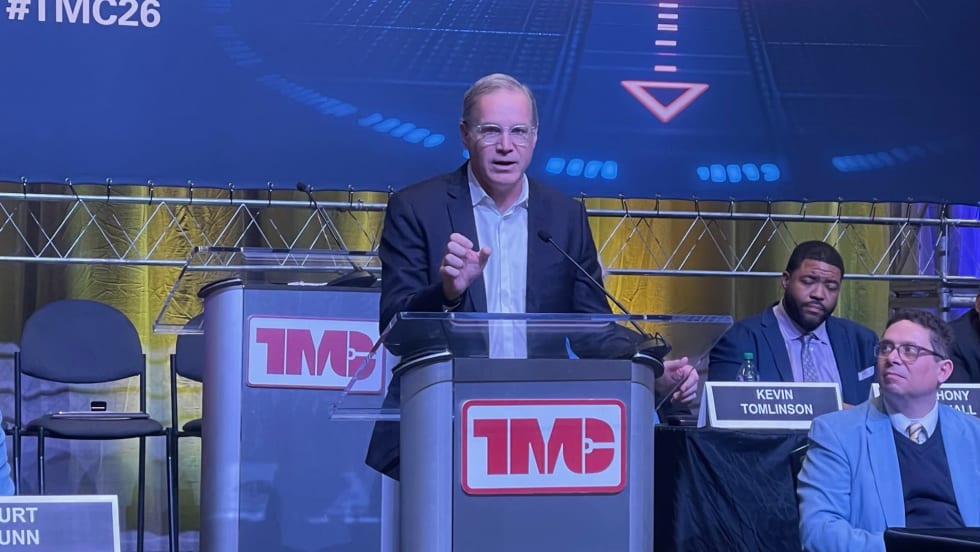
ATA’s Spear Warns Fuel Prices, Trade Policy, and Global Conflict Could Stall Trucking Recovery
Speaking at the TMC Annual Meeting in Nashville, ATA President Chris Spear said trucking faces mounting pressure from rising fuel prices, geopolitical instability, and uncertainty around trade policy.
Read More →
New Entrants, Chameleon Carriers, and Safety: Is It Too Easy to Start a Trucking Company?
More than 100,000 new trucking companies enter the industry each year, but regulators manage to audit only a fraction of them. That churn creates opportunities for inexperienced startups — and for “chameleon carriers” that shut down after safety violations and reappear under new identities. Read more from Deborah Lockridge in this commentary.
Read More →
Fleet Managers Invited to Apply for Exclusive HDT Exchange Event
HDTX is an intimate event that connects heavy-duty trucking fleet managers with industry suppliers through small-group discussions, educational sessions, and structured one-on-one meetings.
Read More →
DAT Launches iPhone Widget to Help Owner-Operators Find Loads Faster
New DAT One feature shows top-paying loads directly on an iPhone’s home screen, helping carriers react faster to spot-market opportunities.
Read More →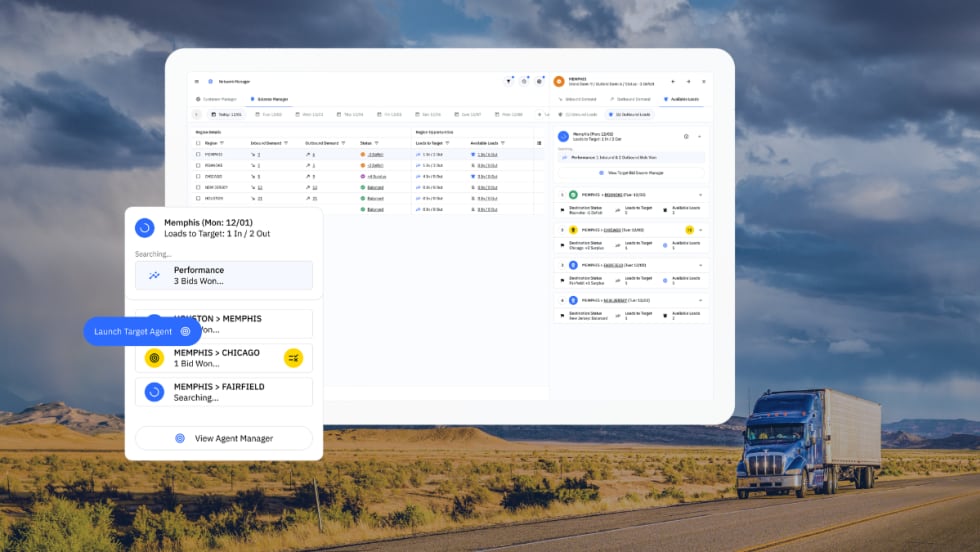
Optimal Dynamics Launches AI System to Help Carriers Choose Better Freight
Optimal Dynamics says its new Scale platform uses AI agents and optimization to help carriers find and secure freight that improves network balance and profitability.
Read More →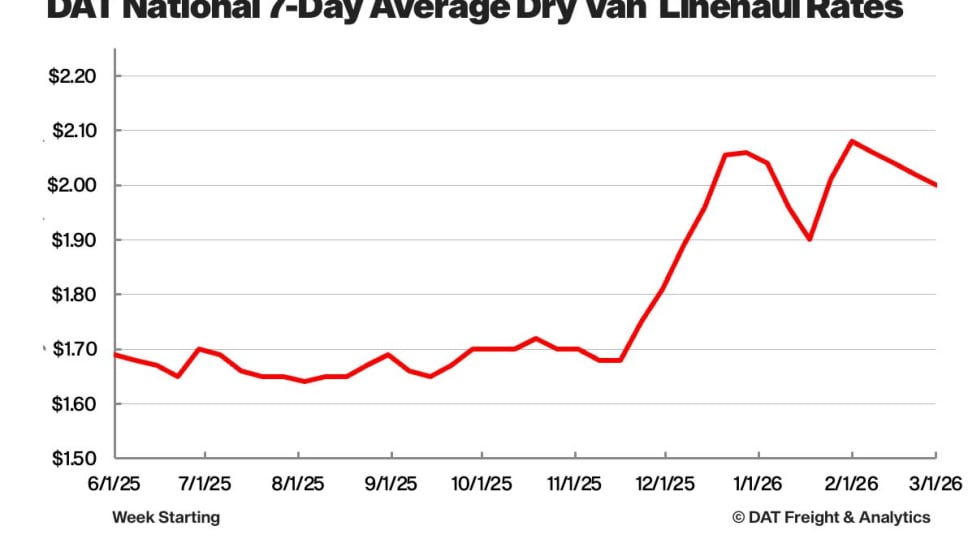
DAT: Flatbed Demand Climbs as Van and Reefer Rates Soften
DAT Freight & Analytics data shows tightening flatbed capacity, easing produce markets, and softening van and reefer rates.
Read More →
Run on Less “Messy Middle” Data Shows Multiple Paths Forward for Truck Powertrains [Watch]
NACFE's Run on Less - Messy Middle project demonstrates the power of data in helping to guide the future of alternative fuels and powertrains for heavy-duty trucks.
Read More →