





Strong freight rates, rising volumes and tighter capacity are pushing trucking conditions higher, though diesel prices could temper gains in the near term, FTR cautions.
FTR: Trucking Conditions Index Climbs to Highest Level Since 2022
Strong freight rates, rising volumes and tighter capacity push trucking conditions higher, though diesel prices could temper gains in the near term, FTR cautions.
March 10, 2026
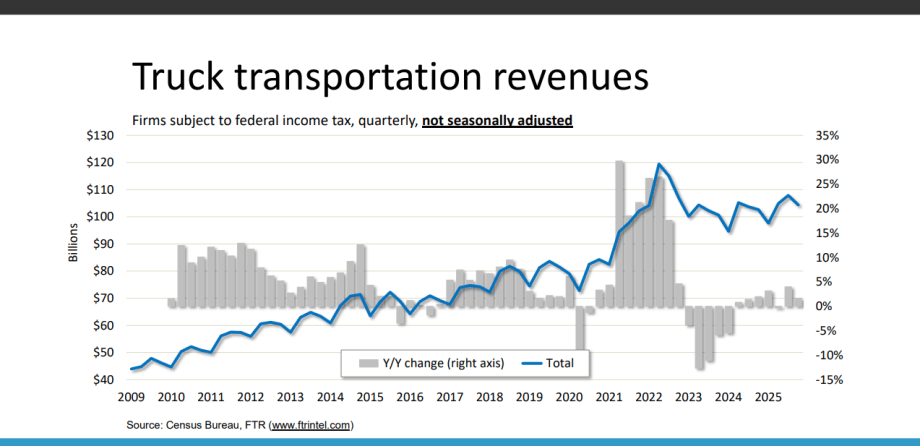
According to FTR, sharply stronger freight rates, higher freight volumes and improved capacity utilization drove the robust market conditions in February 2026.
Credit:
FTR
3 min to read
FTR’s Trucking Conditions Index (TCI) continued its upward momentum in January, rising to 9.3 from 4.85 in December, marking the strongest reading since February 2022.
According to the transportation forecasting firm, sharply stronger freight rates, higher freight volumes and improved capacity utilization drove the robust market conditions.
However, rising diesel prices could offset some of the gains for carriers in the short term.
Freight Market Conditions Strengthen
The January reading reflects one of the most favorable operating environments for trucking companies in nearly three years.
FTR noted that improving freight dynamics are helping stabilize the market following the prolonged freight downturn that pressured many carriers over the past two years. Higher utilization and stronger rates suggest demand is tightening capacity across the industry.
The company said the underlying outlook for carriers has strengthened further, although fuel prices remain a concern.
Avery Vise, FTR’s vice president of trucking, said recent geopolitical developments are pushing diesel prices higher, which could dampen some of the positive financial momentum in trucking.
“Surging diesel prices in the wake of military operations in the Middle East will temper overall financial conditions for trucking companies in the near term,” Vise said.
However, he added that rising fuel costs could also accelerate capacity tightening by forcing weaker carriers out of the market.
“Much stronger freight rates and rising utilization probably will keep most operations afloat, and the longer-term recovery in trucking looks solid,” Vise said.
Industrial Recovery Supporting Trucking
FTR also pointed to improving economic indicators tied to industrial activity as a key factor supporting trucking demand.
A recovery in manufacturing and industrial production typically drives stronger freight volumes, particularly in the truckload and flatbed sectors.
At the same time, Vise cautioned that carriers more dependent on consumer-driven freight may face additional risks.
Rising gasoline prices, persistent inflation, a weakening job market and shrinking household savings could weigh on consumer spending in the months ahead.
FTR’s Trucking Conditions Index combines five major indicators of trucking market health:
- Freight volumes
- Freight rates
- Fleet capacity
- Fuel prices
- Financing costs
The metrics are combined into a single index that reflects overall market conditions.
A positive reading indicates favorable conditions for trucking companies, while negative readings suggest challenging operating conditions. Readings near zero typically signal a neutral environment.
Double-digit readings in either direction generally indicate significant changes in industry conditions.
Additional Analysis Available
Further details on the January index are included in the March issue of FTR’s Trucking Update, which provides additional analysis of load volumes, freight rates, capacity and broader economic trends affecting the trucking market.
FTR also publishes a weekly Trucking Market Update on its State of Freight podcast hosted by Avery Vise, covering spot market developments, economic indicators and key industry news.
Topics:Fleet Management
More Fleet Management

ACT: Trucking Volumes Rise, Capacity Tightens as Fuel Prices Cloud Outlook
ACT Research data shows volumes hitting a four-year high and supply-demand balance strengthening, but higher oil prices are undercutting tariff relief and tempering optimism.
Read More →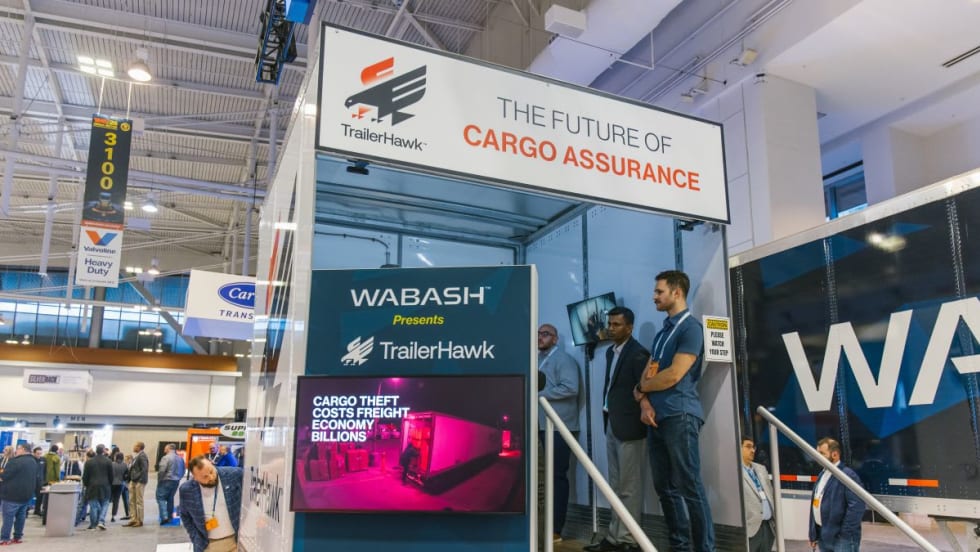
Wabash Teams Physical Security With Digital Tech For Better Cargo Visibility
The patent-pending cargo solution integrates a digitally connected cargo door and an intelligent locking system with the TrailerHawk.AI technology platform.
Read More →
From Diesel Prices to Cyberattacks: How the Iran War Is Affecting Trucking
The impact of the Iran conflict extends beyond fuel costs, bringing more fraud and cybersecurity risks to the trucking industry.
Read More →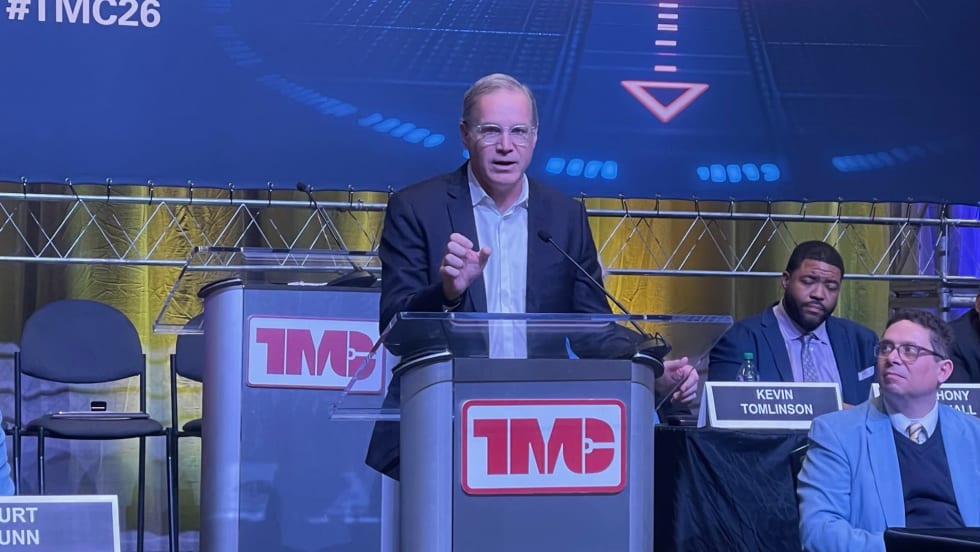
ATA’s Spear Warns Fuel Prices, Trade Policy, and Global Conflict Could Stall Trucking Recovery
Speaking at the TMC Annual Meeting in Nashville, ATA President Chris Spear said trucking faces mounting pressure from rising fuel prices, geopolitical instability, and uncertainty around trade policy.
Read More →
New Entrants, Chameleon Carriers, and Safety: Is It Too Easy to Start a Trucking Company?
More than 100,000 new trucking companies enter the industry each year, but regulators manage to audit only a fraction of them. That churn creates opportunities for inexperienced startups — and for “chameleon carriers” that shut down after safety violations and reappear under new identities. Read more from Deborah Lockridge in this commentary.
Read More →
Fleet Managers Invited to Apply for Exclusive HDT Exchange Event
HDTX is an intimate event that connects heavy-duty trucking fleet managers with industry suppliers through small-group discussions, educational sessions, and structured one-on-one meetings.
Read More →
DAT Launches iPhone Widget to Help Owner-Operators Find Loads Faster
New DAT One feature shows top-paying loads directly on an iPhone’s home screen, helping carriers react faster to spot-market opportunities.
Read More →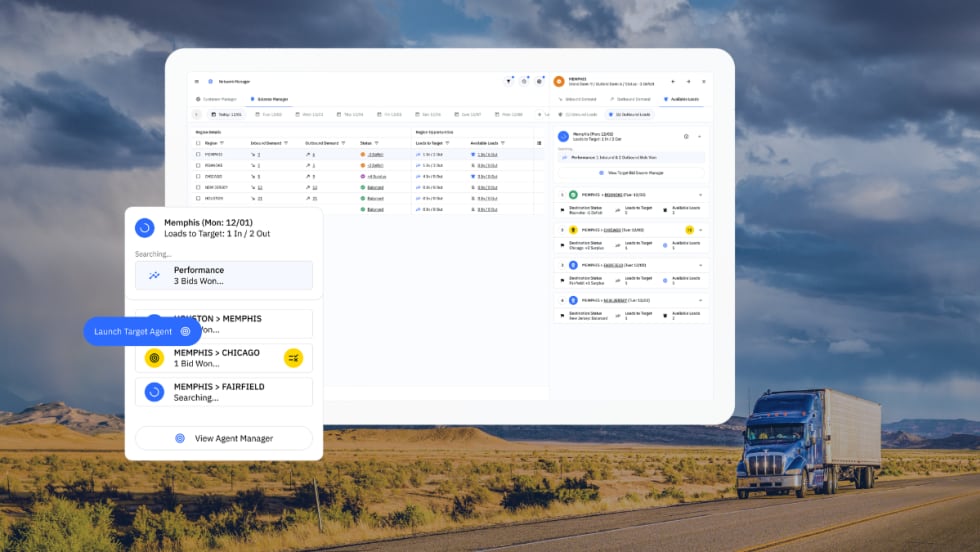
Optimal Dynamics Launches AI System to Help Carriers Choose Better Freight
Optimal Dynamics says its new Scale platform uses AI agents and optimization to help carriers find and secure freight that improves network balance and profitability.
Read More →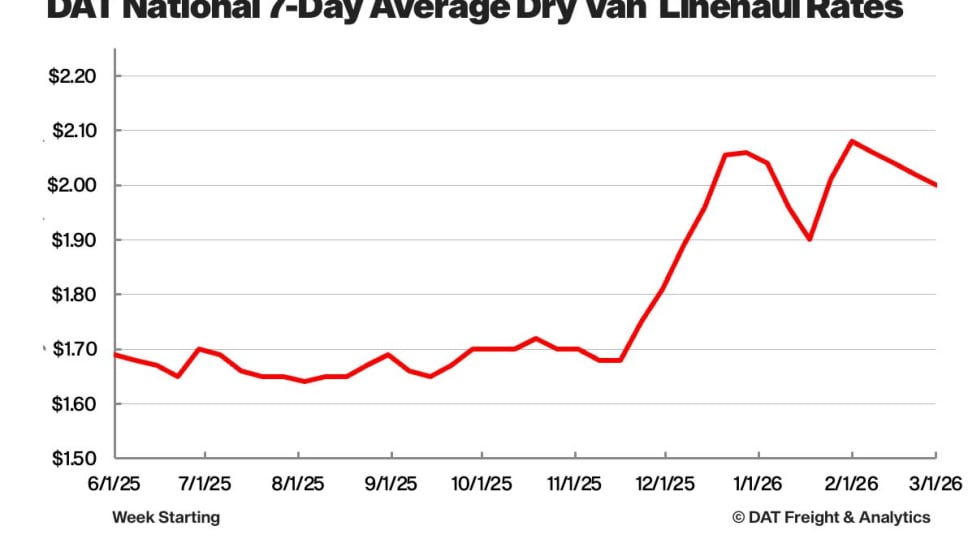
DAT: Flatbed Demand Climbs as Van and Reefer Rates Soften
DAT Freight & Analytics data shows tightening flatbed capacity, easing produce markets, and softening van and reefer rates.
Read More →
Run on Less “Messy Middle” Data Shows Multiple Paths Forward for Truck Powertrains [Watch]
NACFE's Run on Less - Messy Middle project demonstrates the power of data in helping to guide the future of alternative fuels and powertrains for heavy-duty trucks.
Read More →