




With fewer people on the road because of high fuel prices, truckstops and other fuel retailers have seen demand for fuel drop, even while prices continue to rise, according to data released Wednesday by NATSO,
the trade group representing the travel plaza industry.
Ignoring the usual laws of supply and demand, demand for both gasoline and diesel dropped significantly in May, even while wholesale fuel prices continued to climb. The number of gallons of gasoline sold fell nearly 3 percent in May, and diesel gallons sold dropped twice as much that month, by about 6 percent. However, during that same month, gasoline and diesel wholesale prices surged.
According to the Oil Price Information Service (OPIS), the average wholesale cost of fuel sold to retailers climbed throughout May. Retailers were paying an average 37 cents over the prior month for gasoline and an average of over 60 cents more for diesel, topping the $4 mark for the first time ever.
Meanwhile experts at congressional hearings reported in May that supply is currently adequate, NATSO says. Softer demand and higher prices lend further support to experts who have pointed to unregulated market speculation as a significant culprit in higher fuel prices.
"In the past, when we've seen skyrocketing fuel prices like this, it is because of some crisis that squeezes supply," said NATSO President and CEO Lisa Mullings. "We've seen no long lines at the pump; in fact, demand has fallen and supply is adequate, so it is clear that there is another factor driving up prices."
The price of crude oil on the commodities markets has surged this year, up 40 percent over the past six months. Where once these markets served as a management tool for oil producers and oil consumers such as refiners and airlines, NATSO points out, the markets have attracted a new breed of speculator non-commercial traders, such as Wall Street investment firms, pension funds, and others who have no involvement with the commodities they are buying and selling and who never intend to take delivery of a barrel of oil. These non-commercial speculators, called "paper traders," now account for two-thirds of all crude oil trading, double the number active in the markets since the year 2000.
A number of congressional hearings have focused on the role of speculators in soaring fuel prices, and a number of legislative proposals are under consideration to limit the role of speculators in the market and increase the regulatory authority of the Commodities Futures Trading Commission.
NATSO points out that surging fuel costs are bad news for fuel retailers too, straining their credit lines and making cash flow difficult to manage. For example, a tanker truckload of diesel fuel, which a couple of years ago cost a little more than $10,000, now costs more than $32,000. Wholesale prices can increase as much as 10 to 15 cents in a single day, making it more challenging than ever to manage fuel inventories at travel plazas and gas stations.
Gasoline and Diesel Demand Drops, Survey Shows
With fewer people on the road because of high fuel prices, truckstops and other fuel retailers have seen demand for fuel drop, even while prices continue to rise, according to data released Wednesday by NATSO,
More Drivers

FMCSA Extends Paper Medical Card Exemption … Again
Five states still aren't ready to accept commercial driver medical exam information directly from the medical examiner's registry.
Read More →
Mack Launches Digital Driver Guide for Chassis-Specific Truck Info
Mack’s new, virtual owner’s manual delivers VIN-based, on-demand guidance for vehicle systems via web, app, and soon in-cab displays.
Read More →
Western Star Showcases Truckers' Pride and Skill
Western Star is expanding its Star Nation Experience in 2026, adding new competitions and dealer participation to highlight operator skills and promote careers in trucking.
Read More →
Best Fleets to Drive For: Two Carriers Earn Overall Award for First Time
CarriersEdge announced the 2026 Best Fleets to Drive For overall winners, with Crawford Trucking, Fortigo Freight Services, and FTC Transportation receiving top awards.
Read More →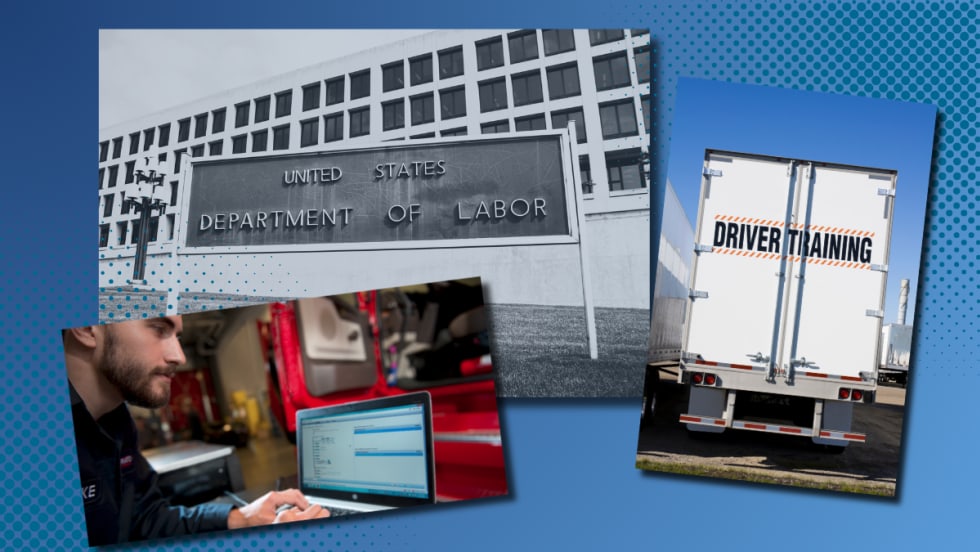
Federal Proposal Would Allow Pell Grants for Shorter-Term Job Training
The Department of Labor plans to expand Pell Grant eligibility to some shorter workforce training programs, a move the American Trucking Associations said will help strengthen commercial driver training schools and diesel technician training programs.
Read More →
Owner-Operator Model Gets Boost as DOL Proposes 2024 Independent Contractor Definition Reversal
For an industry that has watched this issue go back and forth for years, the independent contractor proposal marks the latest swing in the regulatory pendulum.
Read More →
FMCSA Reinstates Field Warrior ELD to Registered Device List
One electronic logging device has been reinstated to the FMCSA's list of registered ELDs.
Read More →
How One Company is Using Smart Suspension Technology to Reduce Driver Injuries and Improve Retention
America’s Service Line adopted Link’s SmartValve and ROI Cabmate systems to address whole-body vibration, repetitive strain, and driver turnover. The trucking fleet is already seeing measurable results.
Read More →
CarriersEdge Announces 2026 Best Fleets to Drive For
The 18th annual contest recognizing the best workplaces for truck drivers sees changes to Top 20, Hall of Fame
Read More →
FMCSA Targets 550+ ‘Sham’ CDL Schools in Nationwide Sting Operation
The Federal Motor Carrier Safety Administration issued more than 550 notices of proposed removal to commercial driver training providers following a five-day nationwide enforcement sweep. Investigators cited unqualified instructors, improper training vehicles, and failure to meet federal and state requirements.
Read More →