



In a move one analyst is saying could be "the best strategic truckload deal ever," Iowa-based Heartland Express has acquired Gordon Trucking Inc. of Pacific, Wash., in transactions valued at approximately $300 million.
 MENU
MENU SEARCH
In a move one analyst is saying could be "the best strategic truckload deal ever," Iowa-based Heartland Express has acquired Gordon Trucking Inc. of Pacific, Wash., in transactions valued at approximately $300 million.

In a move one analyst is saying could be "the best strategic truckload deal ever," Iowa-based Heartland Express has acquired Gordon Trucking Inc. of Pacific, Wash., in transactions valued at approximately $300 million.
With combined total revenue of approximately $1 billion and a terminal network spanning from Washington to Florida and from Pennsylvania to Southern California, Heartland estimates the combined companies will operate the fifth largest asset-based truckload fleet in North America.
Steve and Scott Gordon have joined Heartland’s management team. Larry and Virginia Gordon will retire after 50 years of building GTI, and Larry Gordon has joined Heartland’s board of directors.
"This may be the best strategic truckload deal ever, in our view," John Larkin of Stifel Nicolaus said in an email to investors. "Heartland has been looking to fill out its Eastern-heavy terminal network with an acquisition in the West for over a decade."
Gordon Trucking’s terminal network is primarily western-based. Combined, the two have 24 terminals, with almost no overlap, with 58% of estimated revenues to come from the East and 42% from the West, Larkin noted.
Investment advisory firm Wolfe Research also praised the move, upgrading its rating on Heartland to "outperform," and called Gordon a logical complement for Heartland. "We have a long history with GTI and believe it’s a well-run, profitable operator that will expand HTLD’s geographic and customer footprint with more retail and West Coast exposure," it said in an email to investors.
The transactions are expected to be immediately accretive to Heartland’s earnings per share, excluding transaction-related expenses.
GTI was founded by the Gordon family in 1946, and the family remains actively involved in the business. GTI is primarily focused on dry van markets but also gains approximately 14% of its revenue from refrigerated operations and 7% from freight brokerage operations. GTI’s equipment includes approximately 2,000 tractors and 6,500 trailers. GTI's average length of haul is approximately 400 miles.
Updated 11/13 to add comments from Stifel Nicolaus.

The American Transportation Research Institute will examine driver coaching, regulatory impacts — including the "Beyond Compliance" concept —and weather disruptions that shape trucking operations.
Read More →
Fleet Advantage's Brian Antonellis says it's time for fleets to get back to the fundamentals of good maintenance practices. And that includes replacing older, inefficient equipment.
Read More →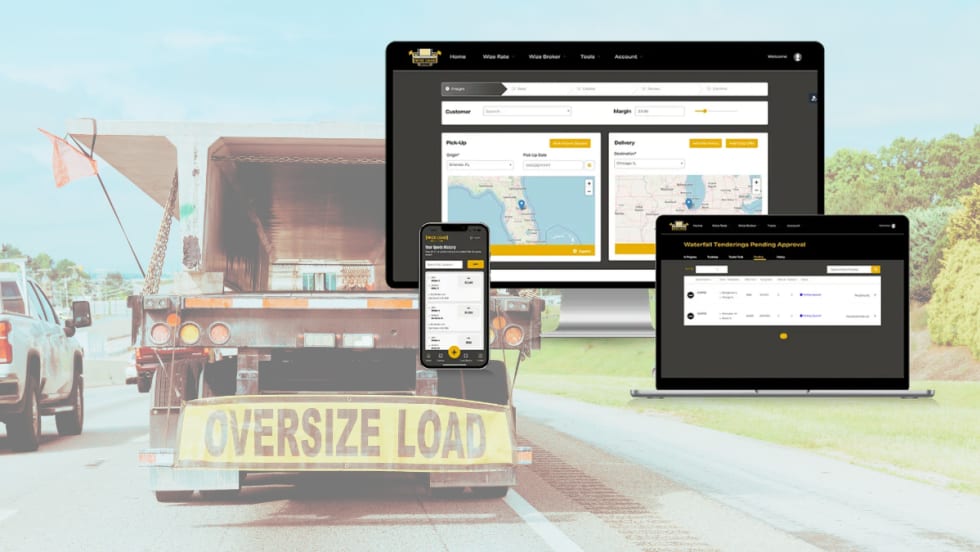
Load matching for flatbed, lowbed, oversize and overweight loads can't be automated like basic van freight, but Truckstop.com is adding more high-tech tools to help.
Read More →
An expanded Trucker Path and Truckstop.com integration brings more freight opportunities into the TruckLoads app while emphasizing security and network quality.
Read More →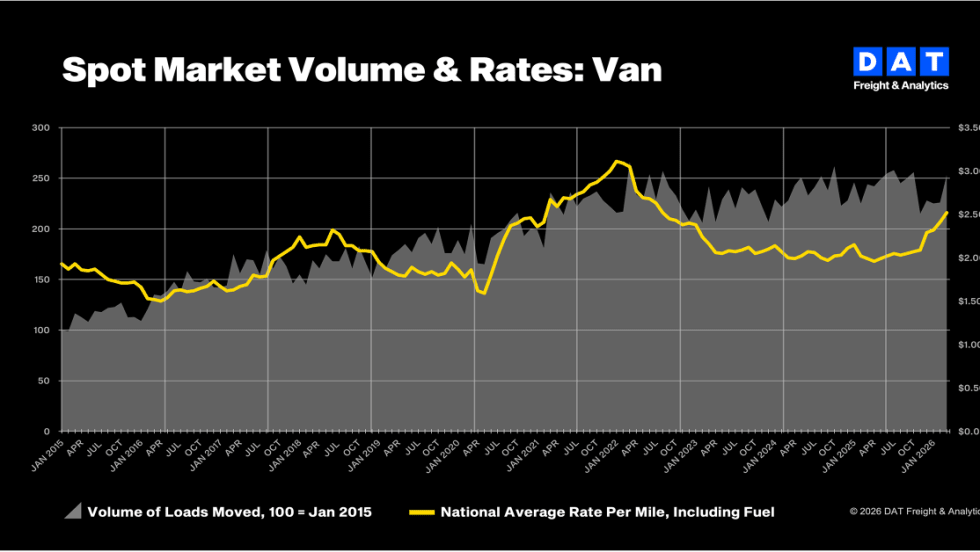
Strong March freight demand combined with a spike in fuel costs pushed both spot and contract truckload rates to their highest levels in more than two years.
Read More →
Everyone’s talking about AI — but is your transportation management system actually built for it?
Read More →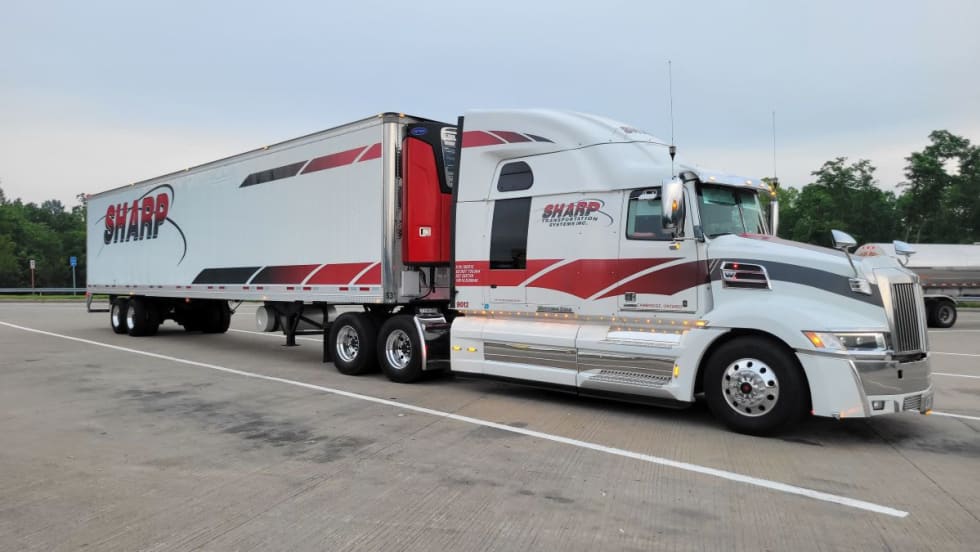
Being part of KTG will allow Sharp to expand and improve its services.
Read More →
The Fair Compensation for Truck Crash Victims Act would increase insurance requirements for interstate motor carriers by nearly seven times.
Read More →
Strong freight rates push TCI to 10.2, but FTR expects fuel-price volatility to skew March results.
Read More →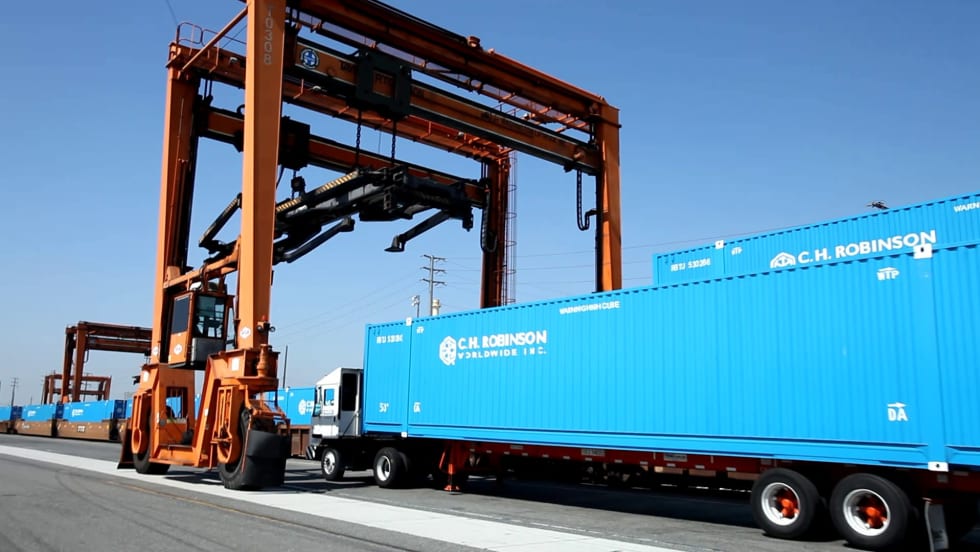
C.H. Robinson is waiving fees on fuel cards and cash advances for April and May, aiming to help carriers offset rising diesel costs tied to geopolitical instability.
Read More →