



A deal reached reached between Oregon Department of Transportation and Help Inc. has enabled PrePass transponders to be be used at 21 weigh station facilities throughout the state.
 MENU
MENU SEARCH
A deal reached reached between Oregon Department of Transportation and Help Inc., has enabled PrePass transponders to be be used at 21 weigh station facilities throughout the state.

Photo courtesy of Help Inc.
A deal reached reached between Oregon Department of Transportation and Help Inc. has enabled PrePass transponders to be be used at 21 weigh station facilities throughout the state.
PrePass carriers that operate in Oregon can allow their transponders to be enrolled in and use Oregon’s Green Light weigh station bypass system, after ODOT and Help signed a memorandum of understanding in December.
PrePass carriers wishing to have their transponders enrolled in the Oregon Green Light Program must first submit a signed waiver of Help’s data privacy policy to PrePass. The waiver is necessary because Help does not collect or share date and time stamp from weigh station bypass events, nor does it publish transponder numbers to the Federal Safety and Fitness Electronics Records System. However, PrePass devices registered with Green Light will be subject to that program’s regulations. The Data Privacy Waiver acknowledges that the user is aware that bypass transaction data may be shared with Green Light.
The waiver form is available on the PrePass website at www.prepass.com, with instructions on how to submit the form. Upon receipt of the signed waiver, Help Inc. will send a letter of authorization to Green Light on the carrier’s behalf.
“We are excited to be entering into partnership with the State of Oregon, and look forward to working with MCTD through this mutual agreement,” said Karen Rasmussen, Help Inc. president and CEO. “Safe fleets and drivers appreciate the time and fuel savings of PrePass as well as opportunities for interoperability of their transponders.”

ACT Research data shows volumes hitting a four-year high and supply-demand balance strengthening, but higher oil prices are undercutting tariff relief and tempering optimism.
Read More →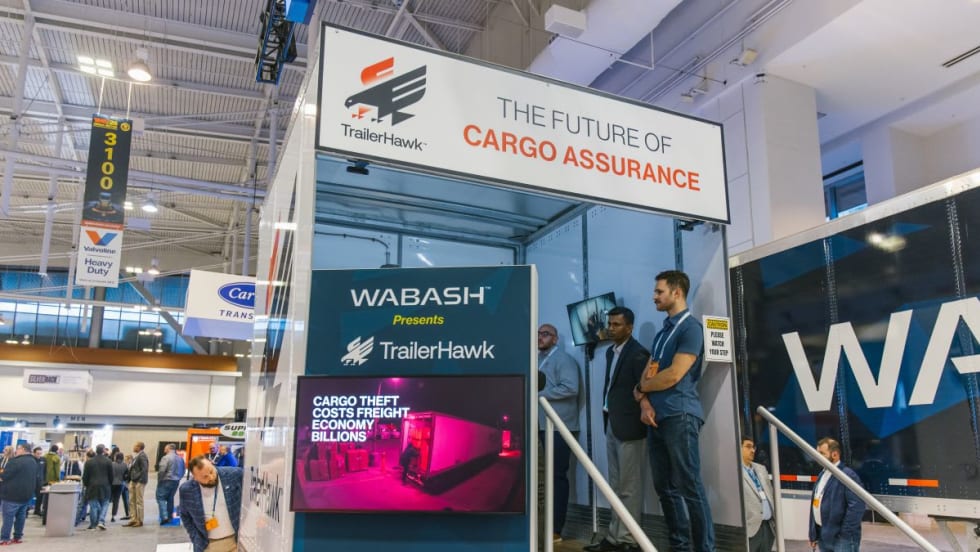
The patent-pending cargo solution integrates a digitally connected cargo door and an intelligent locking system with the TrailerHawk.AI technology platform.
Read More →
The impact of the Iran conflict extends beyond fuel costs, bringing more fraud and cybersecurity risks to the trucking industry.
Read More →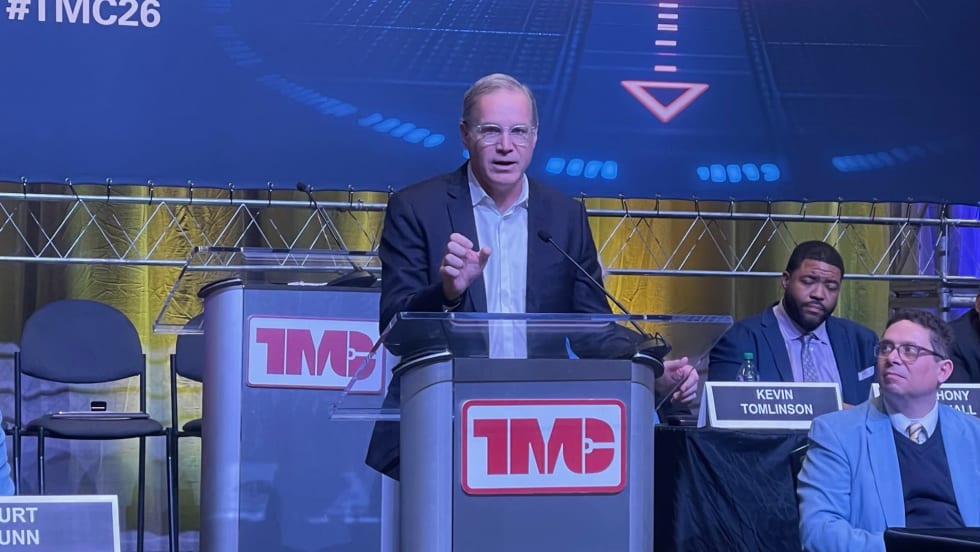
Speaking at the TMC Annual Meeting in Nashville, ATA President Chris Spear said trucking faces mounting pressure from rising fuel prices, geopolitical instability, and uncertainty around trade policy.
Read More →
More than 100,000 new trucking companies enter the industry each year, but regulators manage to audit only a fraction of them. That churn creates opportunities for inexperienced startups — and for “chameleon carriers” that shut down after safety violations and reappear under new identities. Read more from Deborah Lockridge in this commentary.
Read More →
HDTX is an intimate event that connects heavy-duty trucking fleet managers with industry suppliers through small-group discussions, educational sessions, and structured one-on-one meetings.
Read More →
New DAT One feature shows top-paying loads directly on an iPhone’s home screen, helping carriers react faster to spot-market opportunities.
Read More →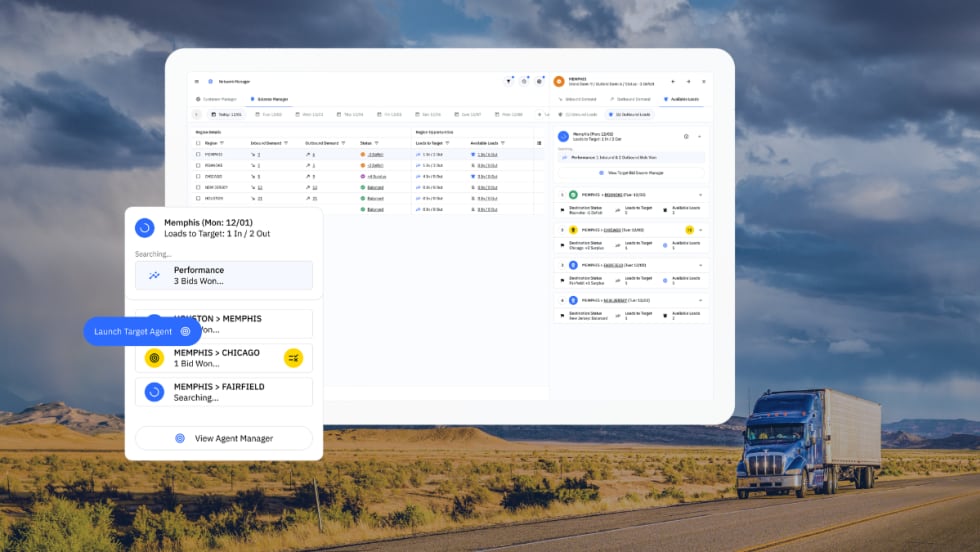
Optimal Dynamics says its new Scale platform uses AI agents and optimization to help carriers find and secure freight that improves network balance and profitability.
Read More →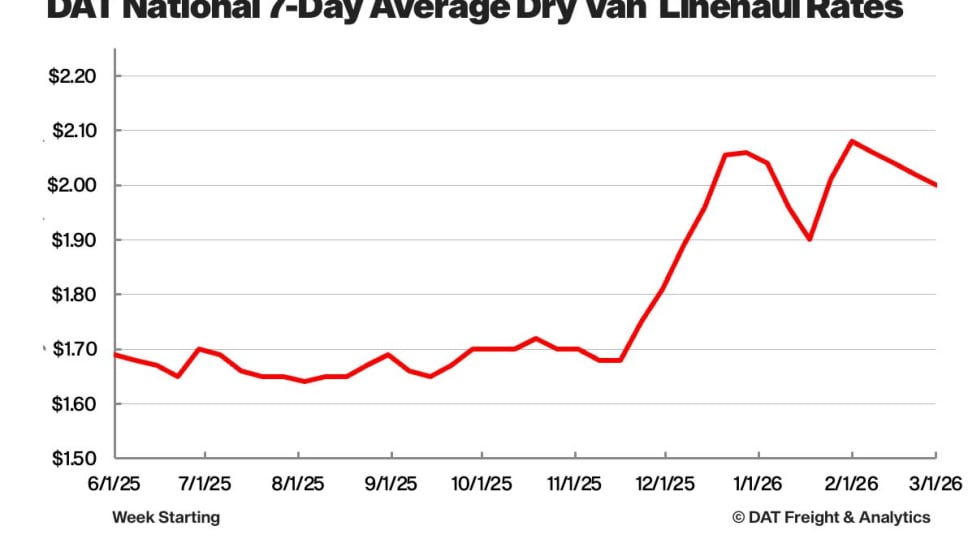
DAT Freight & Analytics data shows tightening flatbed capacity, easing produce markets, and softening van and reefer rates.
Read More →
NACFE's Run on Less - Messy Middle project demonstrates the power of data in helping to guide the future of alternative fuels and powertrains for heavy-duty trucks.
Read More →