




The declining state of roads and bridges, and burgeoning congestion is becoming more difficult to ignore, and several state legislatures are now openly discussing the likelihood of hiking fuel taxes.
In Pennsylvania last week, House Democratic leaders called for transportation infrastructure to be a 2012 legislative priority, even if Pennsylvania drivers must pay more at the pump in an election year.
One proposal would see a portion of the state's gasoline tax uncapped. The proposed increase would generate an estimated $1.36 billion in new annual revenue. Democrats have not said how much of an increase they might push for, but in the summer of 2011, Gov. Tom Corbett's Transportation Funding Advisory Commission estimated an increase of up to 10 cents.
In Virginia, Republican Gov. Robert McDonnell has proposed increasing the percentage of the existing state sales tax revenues dedicated to transportation from 0.5 percent to 0.75 percent during the next eight years, but some delegates are saying won't be enough as it shifts money from other areas of the state budget.
Eventually, legislators said, Virginia will need to do something to fix its long-term problem - declining revenue from the gas tax. Without additional revenue being added to the state's transportation trust fund, money for new construction is projected to be gone within about five years. As cars have become more fuel efficient, the value of that tax has declined.
Some legislators want to increase the gas tax or index it to inflation. Some also have suggested changing how it is calculated, such as charging a percentage-based sales tax instead of a per gallon price.
Meanwhile, In Iowa, there is bipartisan support for raising revenue to address aging and deteriorating roads and bridges, and several proposals have already been put forward, including a phased increased equivalent to a 10-cent per gallon hike in gas taxes, and a highway user fee.
The state's Senate Transportation Committee has recommended raising registration fees for new vehicles from 5 percent to 6 percent -- to make it the same as the state sales tax -- and establishing a new user fee for hybrid vehicles. Those recommendations, it says, would generate between $184 million to $320 million in new yearly revenue for critical transportation needs.
A well, House Transportation Committee Chairman Dave Tjepkes, R-Gowrie, has filed a bill request for a plan to raise the excise fee on vehicle purchases from 5 to 6 percent, along with 4-cent increase state gas taxes between 2013 and 2014.
While more and more states seem to be acknowledging the need to raise taxes to pay for transportation infrastructure, little in the way of consensus has emerged to date on how to accomplish the funding goals.
Highway Funding Climbing Legislative Ladder, More States Eyeing Tax Hikes
The declining state of roads and bridges, and burgeoning congestion is becoming more difficult to ignore, and several state legislatures are now openly discussing the likelihood of hiking fuel taxes
More Drivers

FMCSA Extends Paper Medical Card Exemption … Again
Five states still aren't ready to accept commercial driver medical exam information directly from the medical examiner's registry.
Read More →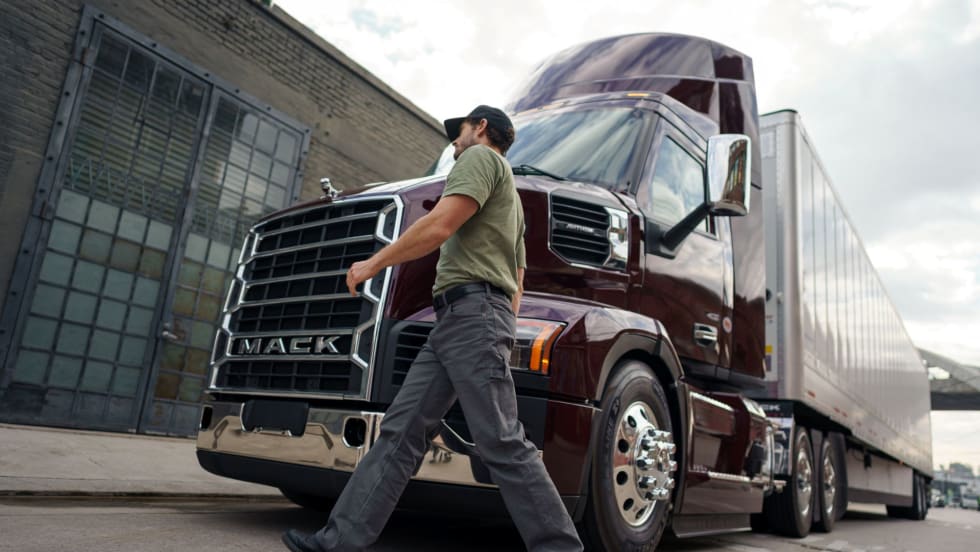
Mack Launches Digital Driver Guide for Chassis-Specific Truck Info
Mack’s new, virtual owner’s manual delivers VIN-based, on-demand guidance for vehicle systems via web, app, and soon in-cab displays.
Read More →
Western Star Showcases Truckers' Pride and Skill
Western Star is expanding its Star Nation Experience in 2026, adding new competitions and dealer participation to highlight operator skills and promote careers in trucking.
Read More →
Best Fleets to Drive For: Two Carriers Earn Overall Award for First Time
CarriersEdge announced the 2026 Best Fleets to Drive For overall winners, with Crawford Trucking, Fortigo Freight Services, and FTC Transportation receiving top awards.
Read More →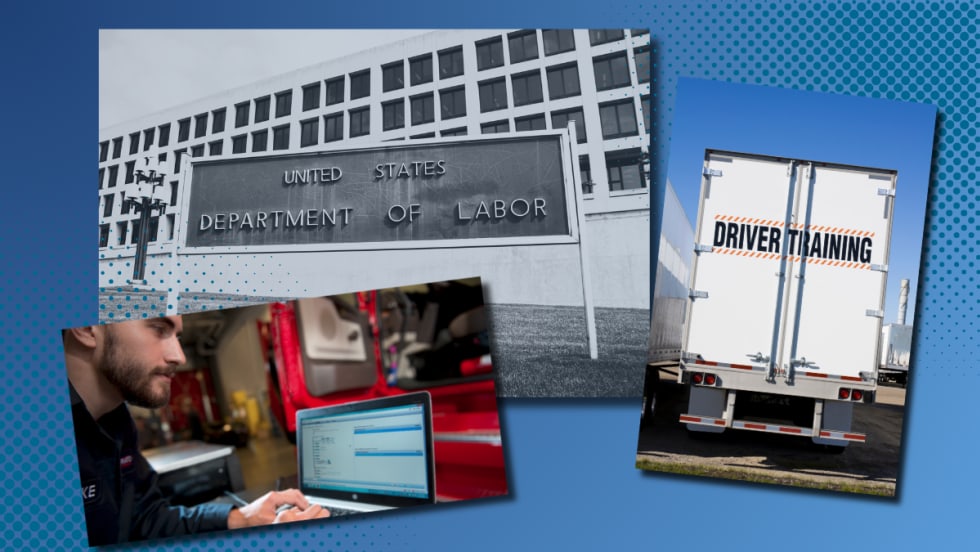
Federal Proposal Would Allow Pell Grants for Shorter-Term Job Training
The Department of Labor plans to expand Pell Grant eligibility to some shorter workforce training programs, a move the American Trucking Associations said will help strengthen commercial driver training schools and diesel technician training programs.
Read More →
Owner-Operator Model Gets Boost as DOL Proposes 2024 Independent Contractor Definition Reversal
For an industry that has watched this issue go back and forth for years, the independent contractor proposal marks the latest swing in the regulatory pendulum.
Read More →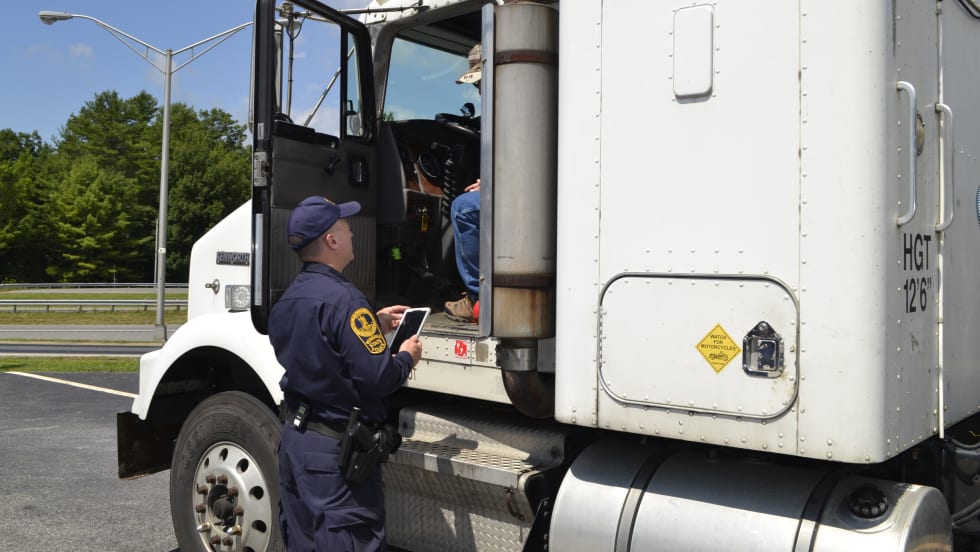
FMCSA Reinstates Field Warrior ELD to Registered Device List
One electronic logging device has been reinstated to the FMCSA's list of registered ELDs.
Read More →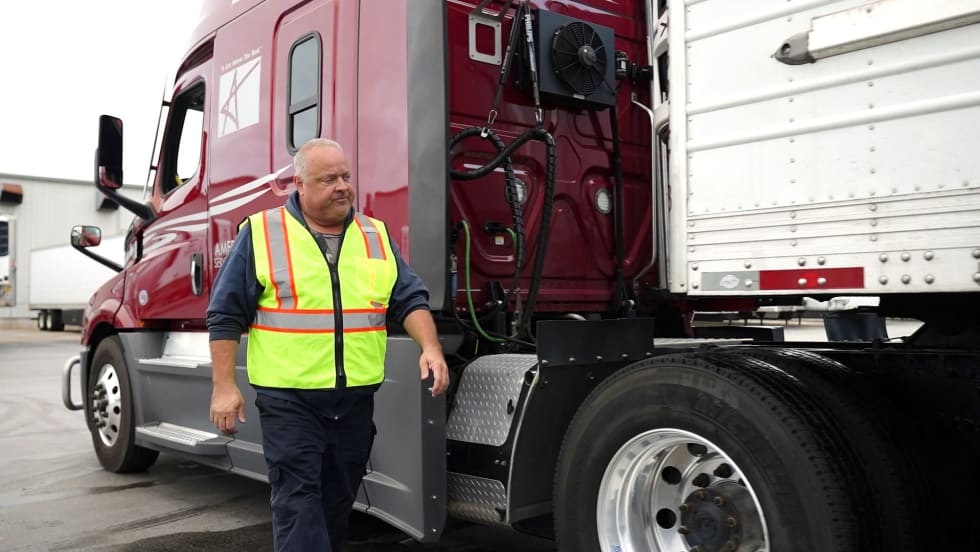
How One Company is Using Smart Suspension Technology to Reduce Driver Injuries and Improve Retention
America’s Service Line adopted Link’s SmartValve and ROI Cabmate systems to address whole-body vibration, repetitive strain, and driver turnover. The trucking fleet is already seeing measurable results.
Read More →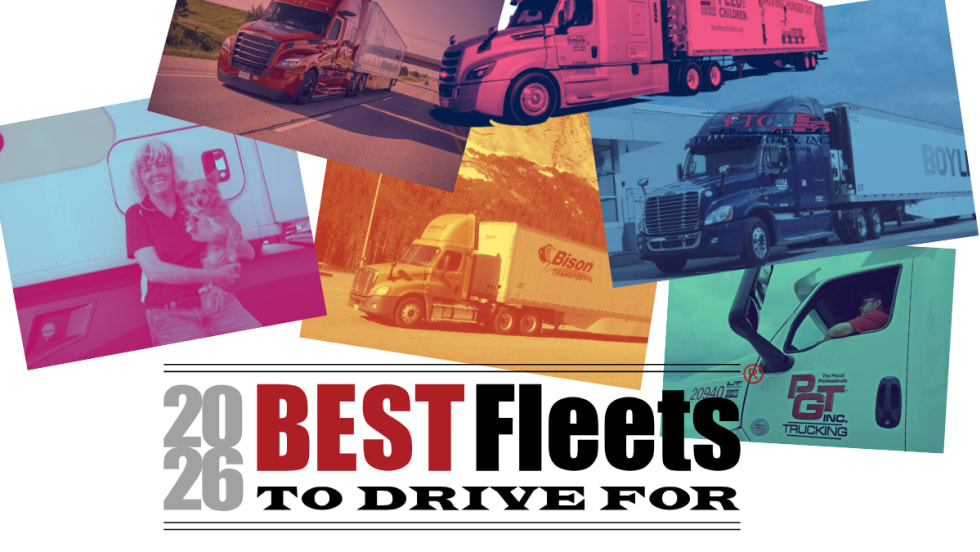
CarriersEdge Announces 2026 Best Fleets to Drive For
The 18th annual contest recognizing the best workplaces for truck drivers sees changes to Top 20, Hall of Fame
Read More →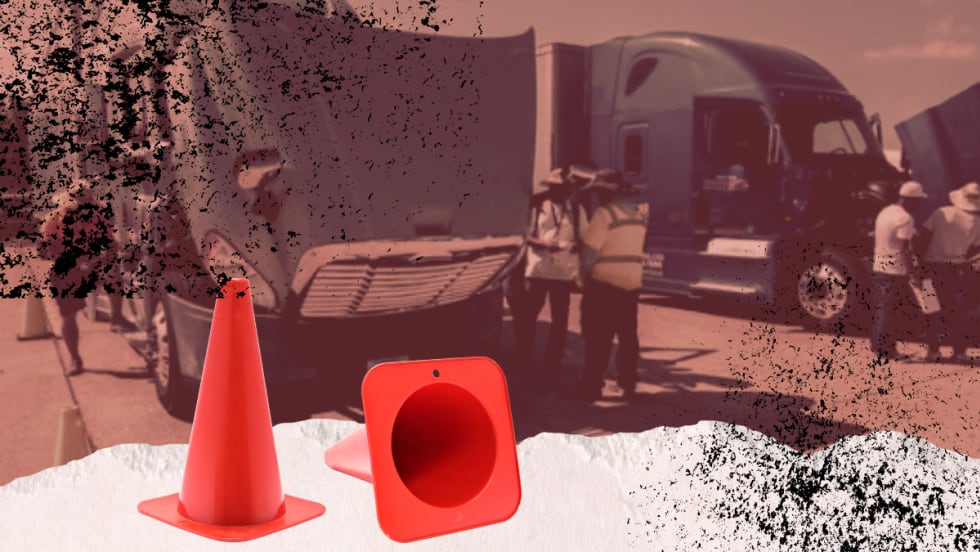
FMCSA Targets 550+ ‘Sham’ CDL Schools in Nationwide Sting Operation
The Federal Motor Carrier Safety Administration issued more than 550 notices of proposed removal to commercial driver training providers following a five-day nationwide enforcement sweep. Investigators cited unqualified instructors, improper training vehicles, and failure to meet federal and state requirements.
Read More →