





Commercial vehicle braking systems are vital to driver and highway safety year-round – but even more so in winter, when road and weather conditions across North America make it even more imperative to have properly maintained components at the wheel-ends.
Tips for Keeping Truck Brakes Tip-Top in Winter Weather
Winter is hard on vehicle systems. And wheel ends are no exception. Here are some tips to keep truck brakes in good working condition when cold, snow, and ice are the order of the day.
December 20, 2019
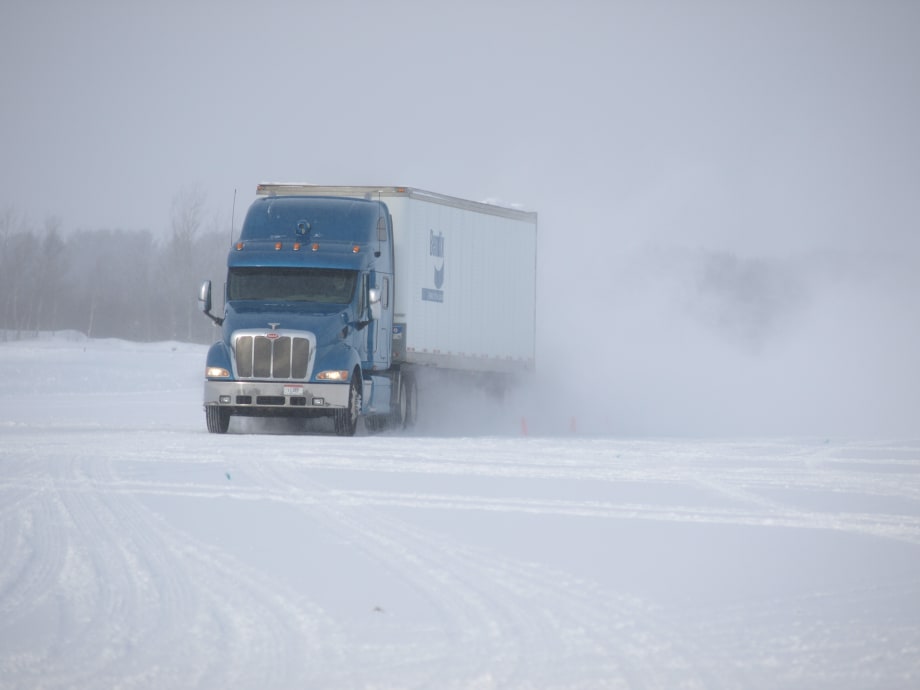
Commercial vehicle braking systems are vital to driver and highway safety year-round – but even more so in winter.
Photo: Bendix Vehicle Systems
3 min to read
Bendix, as part of its Tech Tips Series, shares the following preventive maintenance practices to keep brakes in good working condition when cold, snow, and ice are the order of the day.
“Safety systems like full stability and collision mitigation can be valuable on winter roads, but they perform at their best only when the brakes at the wheel-ends are also in peak condition to deliver stopping power,” said Keith McComsey, director of marketing and customer solutions, Wheel-End, at Bendix Spicer Foundation Brake, a joint venture between Bendix Commercial Vehicle Systems LLC and Dana Commercial Vehicle Products LLC. “The right preventive maintenance practices can make all the difference.”
Take a Good Look
Inspect air brake chamber housings for damage or corrosion and ensure that dust plugs are properly installed and seated. On air-disc-braked wheel-ends, check for cuts or tears on the protective boots.
“What you’re looking for here is anything that could allow corrosive materials to take hold,” McComsey explained. “Not just water, but things like harsh chemicals used to treat winter roads. Excessive corrosion of the chamber can lead to failure of the housing, and ripped or punctured boots can allow contaminants and moisture to get into an air disc brake caliper, causing corrosion and long-term damage.”
Air disc brake guide pins should also be inspected for slidability, and the shear adaptor cover needs to be in place and fully seated. Preparing air disc brakes for winter weather also means checking that the pads move freely in the carrier – if not, remove them and clean the carrier surface with a wire brush – and making sure the brake moves freely on its guidance system, which should be replaced if movement is restricted.
Lessons in Lubrication
Effective lubrication is key in combating winter corrosion, particularly when it comes to automatic slack adjusters (ASA), according to McComsey (sometimes called automatic brake adjusters, or ABA).
“When you force new lubricant into an ASA, you’re achieving two goals,” he said. “First, you’re purging the old grease, along with any water or contaminants that found their way in; and second, you’re protecting the adjuster’s internal gear sets, clutches, and other components from wear.”
Lubricating an ASA is simple, requiring a technician to just locate the adjuster’s grease fitting, attach the hose from a grease gun, and inject new grease until old grease is forced through the release opening. (The release location varies depending on the ASA make and model.) The process should take less than a minute per adjuster.
Slack adjusters that don’t receive regular greasing may not maintain the correct brake stroke and provide optimal stopping power – a direct impact on safety.
Clevis pin connections, cam tubes, shafts, and bushings should also be lubricated to keep winter moisture at bay and prevent corrosion.
“Truck drivers have a lot to watch out for when they’re out on the roads in winter,” McComsey said. “The right wheel-end practices in the shop can help deliver peace of mind when it comes to their brakes.”
More Maintenance
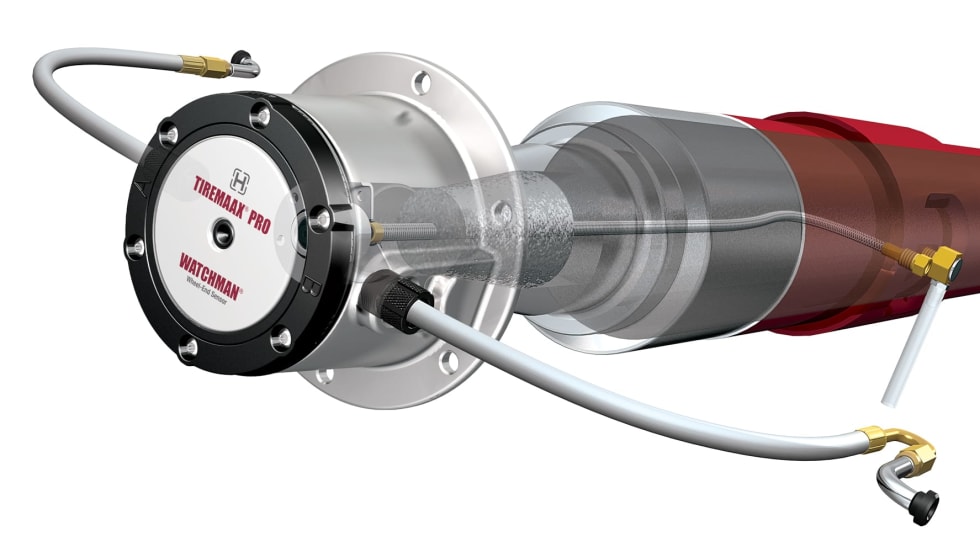
Hendrickson Unveils Watchman Smart Wheel-End System at TMC
Hendrickson’s new sensor platform integrates with its TireMaax system to deliver real-time tire and wheel-end insights, targeting uptime and cost savings.
Read More →
Over-the-Air Updates and the Modern Powertrain Explained
Over-the-air updates are moving beyond recalls, and expanding how fleets manage performance, compliance, and uptime.
Read More →
SKF, TMC Expand Hands-On Training to Boost Technician Skills at Annual Meeting
A new partnership between SFK and TMC brings certified, on-site instruction focused on wheel-end reliability and maintenance best practices.
Read More →
Why Higher Pay Isn’t Fixing the Heavy-Duty Technician Shortage
Hiring heavy-duty truck technicians has become a bidding war, but shops that focus on culture, training, and career paths are gaining an edge. That's the takeaway from a TMC panel discussion.
Read More →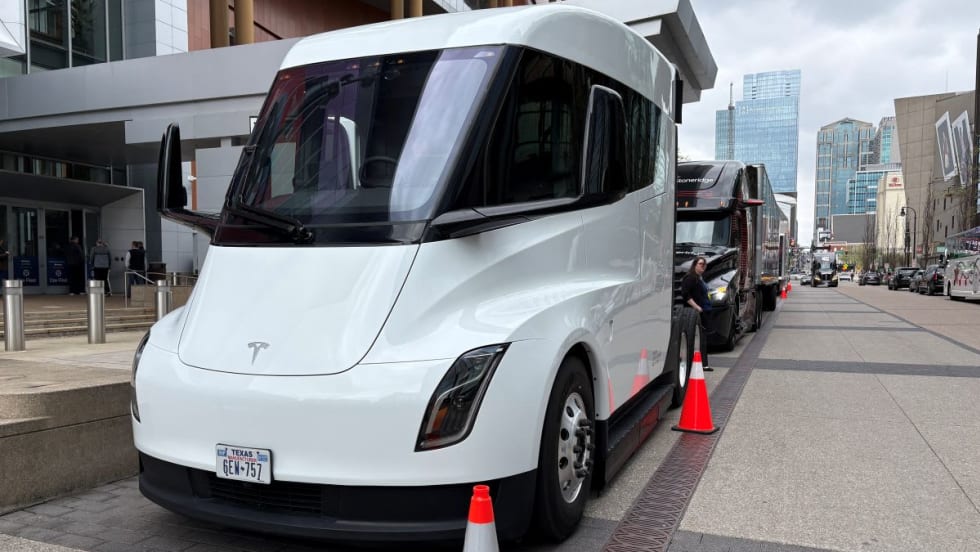
Technology & Maintenance Council 2026 Annual Meeting [Photos]
Couldn't make it to Nashville for TMC's 2026 annual meeting? Check out these images.
Read More →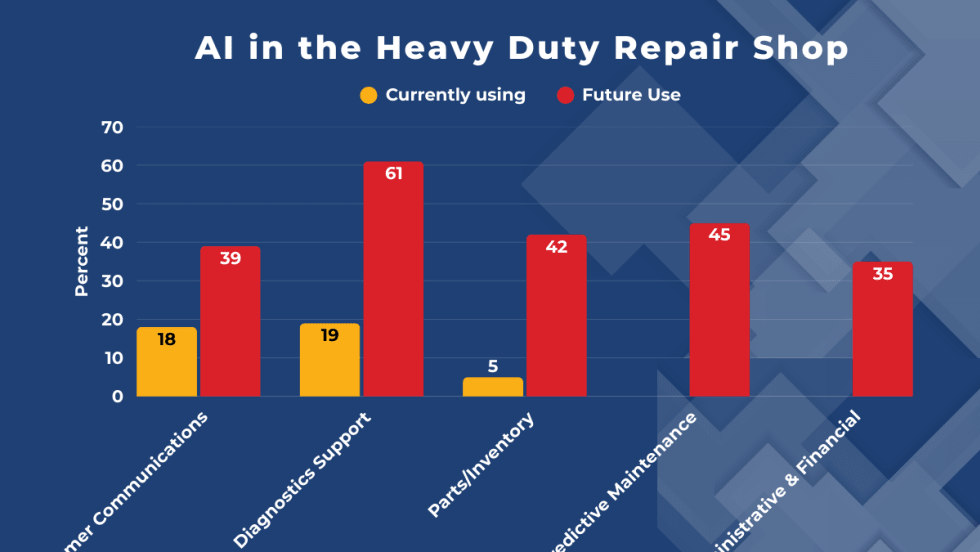
Fullbay Report: Heavy-Duty Shop Revenue Up, Rates Rising, but Shops Still Short on Techs
Strong growth across the heavy-duty repair sector is being tempered by workforce shortages and an aging technician pipeline.
Read More →
How Mack Sees the Next Era of Fleet Intelligence
Telematics has evolved from simple vehicle tracking into a connected service platform that can help fleets boost uptime, improve specifications, and move toward predictive maintenance. Mack executives say AI is now giving fleets a way to turn all that vehicle data into faster, smarter decisions.
Read More →
Clarios Expands Battery Monitoring Into Subscription Service with Battery Manager Pro
A new battery-monitoring-as-a-service program from Clarios Connected Services uses predictive analytics and automatic replacement to reduce downtime and smooth fleet maintenance costs.
Read More →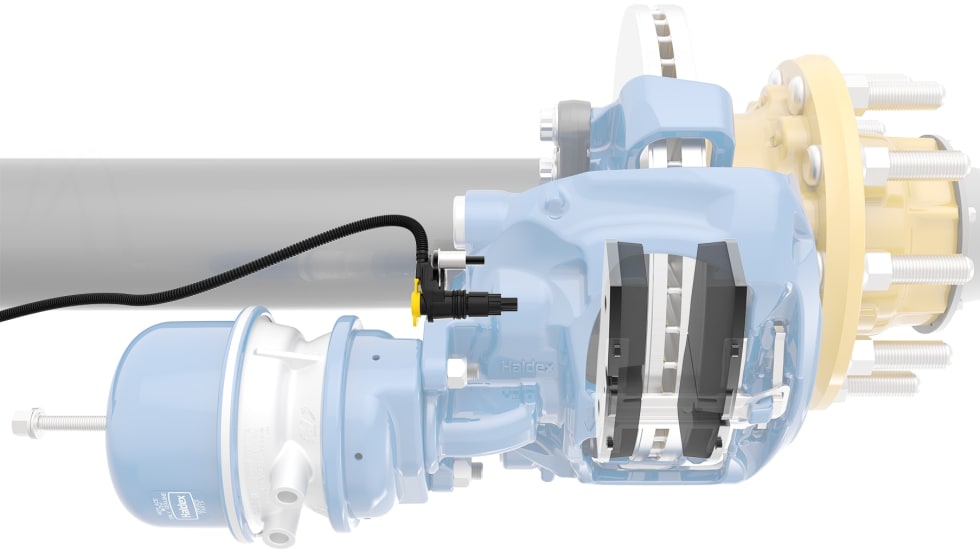
SAF-Holland’s BrakeSight Aims to Take the Guesswork Out of Air Disc Brake Maintenance
New Haldex sensor technology from SAF-Holland integrates with telematics systems to give fleets continuous insight into air disc brake condition.
Read More →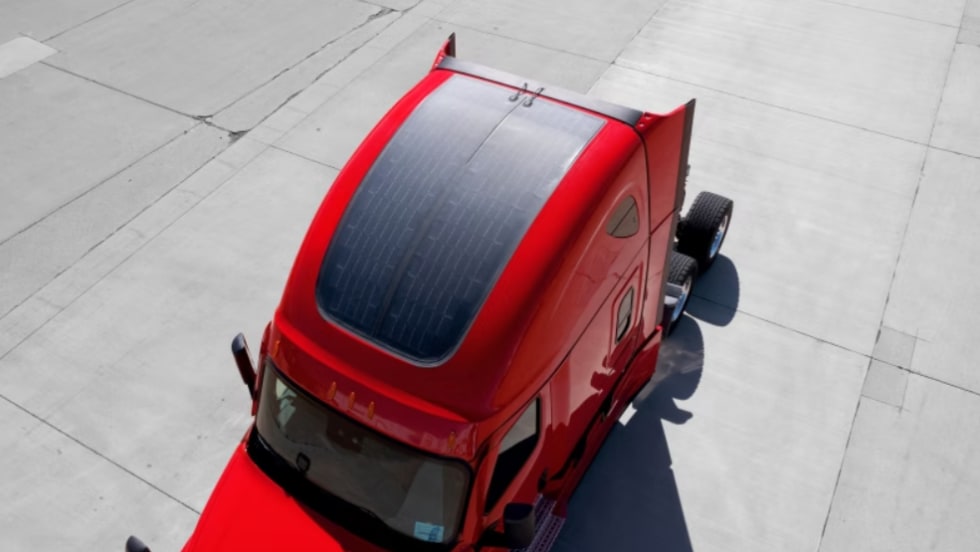
Vanair Introduces Solar, Battery Power Ecosystem for Class 8 Trucks
The company’s expanded EPEQ ecosystem includes flexible solar panels, lithium batteries, hydraulic power systems, and a portable fast charger for electric trucks.
Read More →