



Intermodal volume in the first quarter of 2016 increased, underscoring the segment's core strengths despite other indicators, according to the Intermodal Association of North America’s latest report.
 MENU
MENU SEARCH
Intermodal volume in the first quarter of 2016 increased, underscoring the segment's core strengths despite other indicators, according to the Intermodal Association of North America’s latest report.
Source: IANA
Intermodal volume in the first quarter of 2016 increased, underscoring the segment's core strengths despite other indicators, according to the Intermodal Association of North America’s latest report.
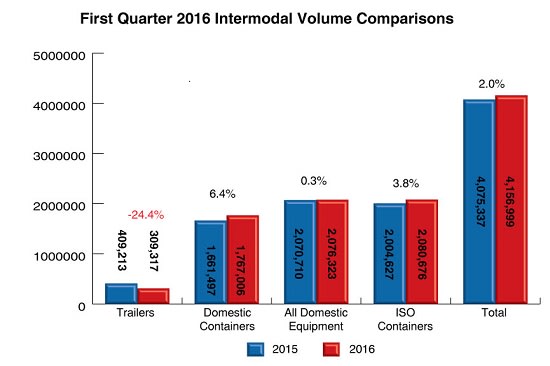
While intermodal trailer volume declined more than 24%, overall volumes netted a 2% total growth for the quarter. Trailer volumes represent the smallest portion of total intermodal shipments, so a decline in that segment was not indicative of intermodal health as a whole, according to IANA.
Domestic container loads recorded a 6.4% increase. Combined with a 3.8% gain in international volumes, the entire segment showed growth in the quarter.
"Total container shipments, domestic and international combined, rose approximately 5% during the first quarter of this year," said Joni Casey, president and CEO of IANA. "And while influenced by comparisons to last year when we were dealing with port congestion issues, we're cautiously optimistic about this year's growth potential."
The seven highest-density trade corridors increased by 4.7% in the quarter. While some corridors fared better than others, all were in the positive. The Midwest-Northwest corridor had the largest growth in the quarter with 10.1%, reflecting the strength of both international and domestic containers, according to IANA.
Weaker international container imports showed negative growth in regions like Mexico, while trailer declines affected areas on a regional level. Intermodal Marketing Companies again demonstrated clear gains in the highway sector, up 15.4% from the previous year, thanks to excess trucking capacity. Intermodal loads fell 13%. The net result was a volume decrease of 1.1%.
A more extensive breakdown of the intermodal industry is contained in the Intermodal Market Trends and Statistics report published quarterly by the IANA. The IANA is an industry trade association that represents the combined interests of the intermodal and freight industry.

ACT Research data shows volumes hitting a four-year high and supply-demand balance strengthening, but higher oil prices are undercutting tariff relief and tempering optimism.
Read More →
The patent-pending cargo solution integrates a digitally connected cargo door and an intelligent locking system with the TrailerHawk.AI technology platform.
Read More →
The impact of the Iran conflict extends beyond fuel costs, bringing more fraud and cybersecurity risks to the trucking industry.
Read More →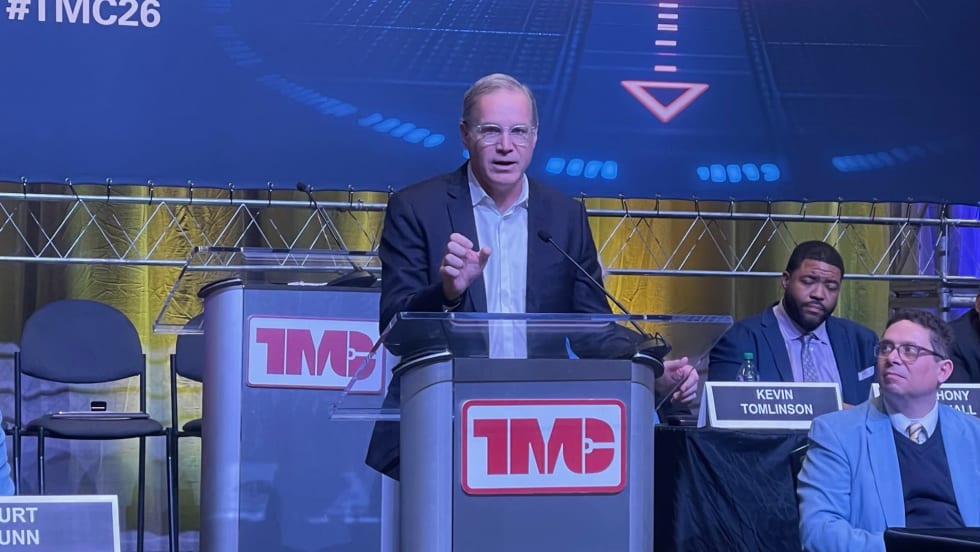
Speaking at the TMC Annual Meeting in Nashville, ATA President Chris Spear said trucking faces mounting pressure from rising fuel prices, geopolitical instability, and uncertainty around trade policy.
Read More →
More than 100,000 new trucking companies enter the industry each year, but regulators manage to audit only a fraction of them. That churn creates opportunities for inexperienced startups — and for “chameleon carriers” that shut down after safety violations and reappear under new identities. Read more from Deborah Lockridge in this commentary.
Read More →
HDTX is an intimate event that connects heavy-duty trucking fleet managers with industry suppliers through small-group discussions, educational sessions, and structured one-on-one meetings.
Read More →
New DAT One feature shows top-paying loads directly on an iPhone’s home screen, helping carriers react faster to spot-market opportunities.
Read More →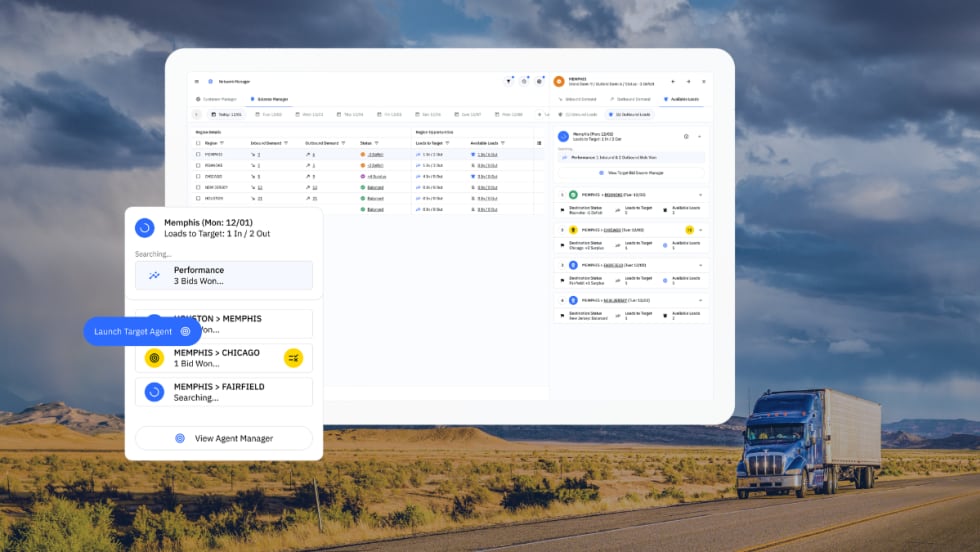
Optimal Dynamics says its new Scale platform uses AI agents and optimization to help carriers find and secure freight that improves network balance and profitability.
Read More →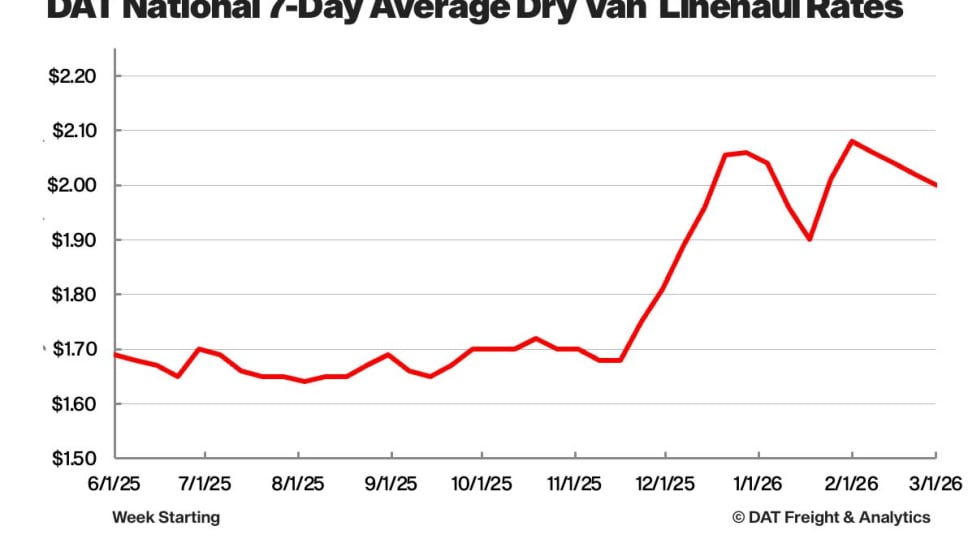
DAT Freight & Analytics data shows tightening flatbed capacity, easing produce markets, and softening van and reefer rates.
Read More →
NACFE's Run on Less - Messy Middle project demonstrates the power of data in helping to guide the future of alternative fuels and powertrains for heavy-duty trucks.
Read More →