



This Independence Day could see the most traveled 4th of July holiday weekend ever, according to the American Automobile Association, which expects a record-breaking 44.2 million Americans to travel over 50 miles from home this year.
 MENU
MENU SEARCH
More Americans than ever will be traveling, and a security firm warns that holiday weekends are notorious risks for for manufacturers and logistics providers because of the high numbers of unattended shipments.
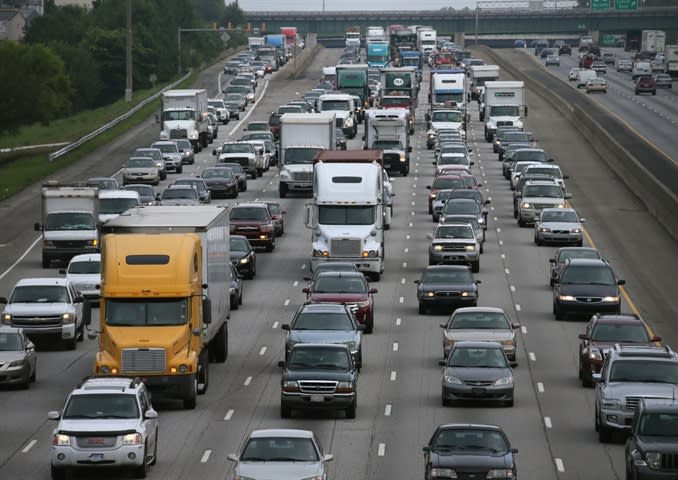
Photo: U.S. Department of Transportation
This Independence Day could see the most traveled 4th of July holiday weekend ever, according to the American Automobile Association, which expects a record-breaking 44.2 million Americans to travel over 50 miles from home this year.
The number is 1.25 million higher than the number of travelers in 2016, a 2.9% increase. The vast majority of travelers, 37.5 million Americans, will drive to their holiday destinations this year, while 3.44 million travelers will fly -- an increase of 4.6% over last year.
“Combined, strong employment, rising incomes and higher consumer confidence bode well for the travel industry, in particular, this Independence Day weekend,” said Bill Sutherland, AAA senior vice president for travel and publishing.
All this traffic contributes to the fact that the 4th of July is officially the most dangerous day to drive in the U.S., according to a study by Geotab, a fleet management company. Over a 10-year period, Independence Day averaged 119 deadly crashes with a fatal crash rate of 14.9. The 4th of July also had the highest percentage of fatal crashes involving alcohol or drugs, with an average of 47%.
Geotab produced an interactive graphic which shows which states have the highest risk of a fatal crash in a year, as well as which day is the most dangerous in each state. The map is accessible here.
“The future of connected vehicle data will enable Geotab to produce more services to help improve road safety and vehicle operating efficiency," said Colin Sutherland, executive vice president.
The extended holiday weekend can also bring increased cargo theft. SensiGuard Supply Chain Intelligence Center warns that holiday weekends are a notoriously high risk for manufacturers and logistics-related organizations because of the high numbers of unattended shipments.
Organized cargo theft rings are often more active during these time periods. This year’s 4th of July falling on a Tuesday means that many facilities will be closed on Monday, extending the weekend and resulting in longer stage times and lower security staffing.
SensiGuard found that in 2015-2016, the average loss value over Independence Day weekend was $365,453, which is 120% higher than the average loss value over the last two calendar years. The company recommends that logistics and security personnel ensure that security protocols are up-to-date and in line with industry best practices for both in-transit and warehouse operations.
SensiGuard strongly suggests confirming in advance that receiver’s hours of operation are consistent with scheduled delivery times. Covert GPS tracking and active monitoring of high-value shipments are highly recommended, as they have proven to be the most effective protocols to both mitigate in-transit theft and facilitate successful recovery of stolen product.
Corrected 1 p.m. EDT June 29 to correct the author of the interactive "Most Dangerous Day to Drive" map. We apologize for any confusion.

ACT Research data shows volumes hitting a four-year high and supply-demand balance strengthening, but higher oil prices are undercutting tariff relief and tempering optimism.
Read More →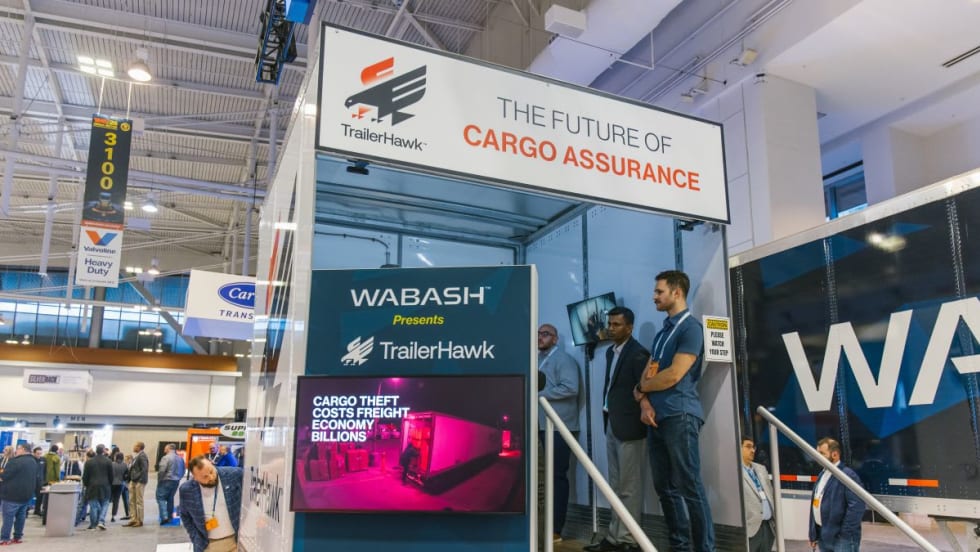
The patent-pending cargo solution integrates a digitally connected cargo door and an intelligent locking system with the TrailerHawk.AI technology platform.
Read More →
The impact of the Iran conflict extends beyond fuel costs, bringing more fraud and cybersecurity risks to the trucking industry.
Read More →
Speaking at the TMC Annual Meeting in Nashville, ATA President Chris Spear said trucking faces mounting pressure from rising fuel prices, geopolitical instability, and uncertainty around trade policy.
Read More →
More than 100,000 new trucking companies enter the industry each year, but regulators manage to audit only a fraction of them. That churn creates opportunities for inexperienced startups — and for “chameleon carriers” that shut down after safety violations and reappear under new identities. Read more from Deborah Lockridge in this commentary.
Read More →
HDTX is an intimate event that connects heavy-duty trucking fleet managers with industry suppliers through small-group discussions, educational sessions, and structured one-on-one meetings.
Read More →
New DAT One feature shows top-paying loads directly on an iPhone’s home screen, helping carriers react faster to spot-market opportunities.
Read More →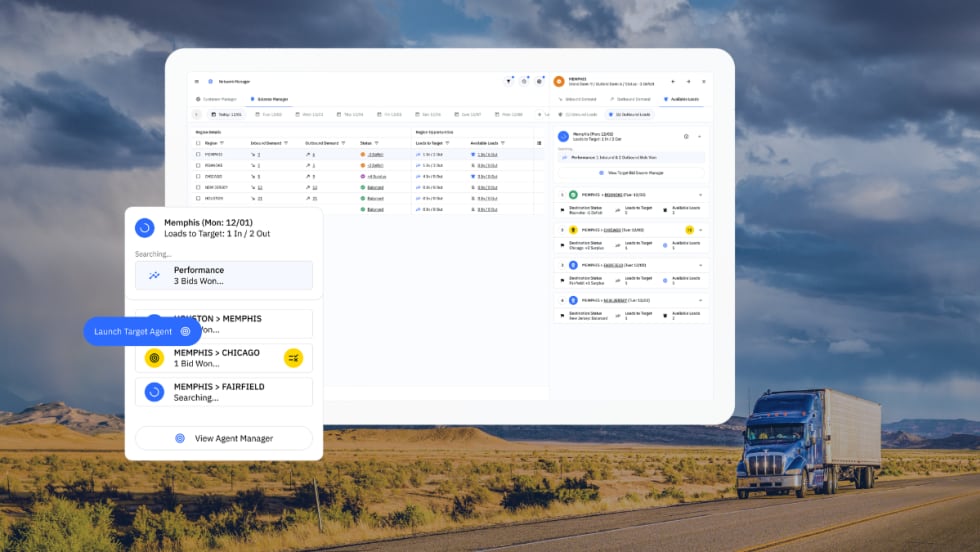
Optimal Dynamics says its new Scale platform uses AI agents and optimization to help carriers find and secure freight that improves network balance and profitability.
Read More →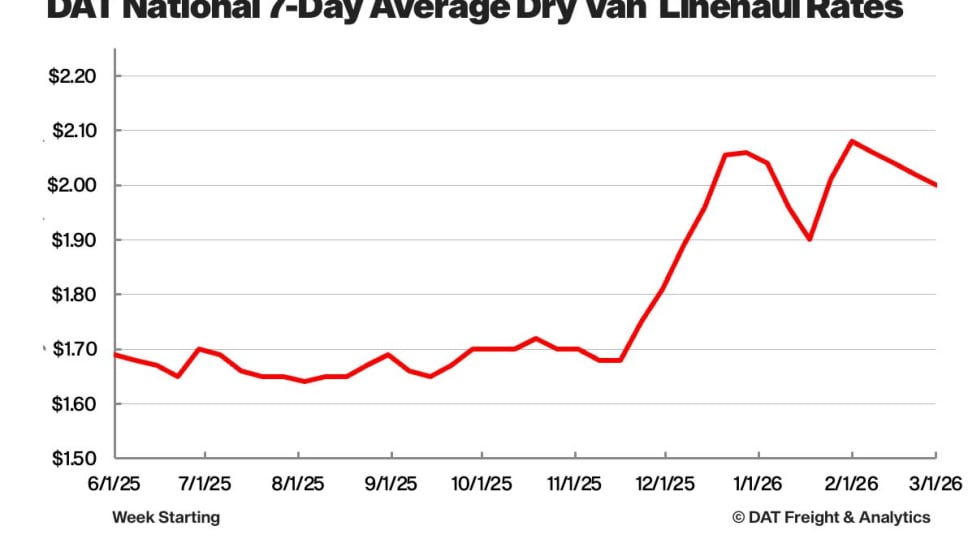
DAT Freight & Analytics data shows tightening flatbed capacity, easing produce markets, and softening van and reefer rates.
Read More →
NACFE's Run on Less - Messy Middle project demonstrates the power of data in helping to guide the future of alternative fuels and powertrains for heavy-duty trucks.
Read More →