




Innovation and strong partnerships are crucial to meet rising global energy demand at a time when there is growing pressure to lower carbon emissions to combat the risks of climate change, Andy Swiger, senior vice president of Exxon Mobil Corp.
, said Monday.
In his keynote speech at the Abu Dhabi International Petroleum Exhibition and Conference, Swiger highlighted the need for the continued development of new technologies and the importance of partnerships among international oil companies, national oil companies and host governments to meet future energy challenges.
"In this way, we can work most effectively to achieve a high-energy, low-carbon future, ensuring that the evolution of energy continues to demonstrate the best of human ingenuity and achievement," he said.
On a global scale, energy demand is expected to increase nearly 20 percent between now and 2030, with this enormous increase being more pronounced in developing countries. At the same time, concerns about the risks of climate change are growing, warranting action by governments, industry and consumers to reduce carbon emissions. "Meeting the challenge before us - of ushering in a high-energy, low-carbon era - requires innovation," Swiger said.
Swiger described three areas where ExxonMobil believes innovation has the potential to turn energy challenges into energy solutions: carbon capture and storage (CCS) - including Controlled Freeze Zone (CFZ) technology, development of algae biofuels, and energy efficiency.
Through the company's Controlled Free Zone technology, ExxonMobil is advancing the search for a cost-effective means of separating carbon dioxide and other impurities from natural gas while producing a high pressure liquid suitable for injection into underground storage. "We have committed more than $100 million to develop and test our CFZ technology, which could not only expand the pool of cleaner-burning natural gas resources available for development and delivery to consumers, but also make CCS more affordable and efficient in reducing emissions," Swiger noted.
Swiger also highlighted the need to develop all commercially viable energy supplies to meet economic and environmental demand. One such potential renewable energy resource is algae, Swiger said, which could one day supplement conventional oil to help meet energy demands.
"Last year, ExxonMobil announced a partnership with Synthetic Genomics, Inc. for research and development of next-generation biofuels from photosynthetic algae, and in July we opened a new greenhouse facility in California to enable the next level of research and testing. If milestones are successfully met, ExxonMobil expects to spend more than $600 million on this biofuels program, $300 million of which will be allocated to Synthetic Genomics. We are in the early days in this area of research, and the obstacles we face are formidable, but the potential is great," he said.
Gains in energy efficiency through 2030 are expected to reduce global energy demand growth by approximately 65 percent, and with it, stem associated carbon emissions. "Perhaps the most underestimated avenue for achieving a high-energy, low-carbon future lies in the area of energy efficiency. By producing, delivering and consuming oil and natural gas more efficiently, we not only displace demand and extend the life of the world's hydrocarbon endowment, but we also reduce carbon emissions," Swiger said.
Stressing the importance of strong national oil company partners and supportive host governments to address the dual energy challenge, Swiger said that "national oil companies often have strong, localized knowledge of the resource as well as valuable technical and managerial expertise. Host governments need to support the integration of innovation by upholding sound, stable policy and regulatory frameworks that encourage fair sharing of risk and rewards and establish a vision for their nation's long-term resource development, and economic and social progress."
Innovation, Strong Partnerships Key to Meeting Low-Carbon Challenges, Swiger Says
Innovation and strong partnerships are crucial to meet rising global energy demand at a time when there is growing pressure to lower carbon emissions to combat the risks of climate change, Andy Swiger, senior vice president of Exxon Mobil Corp
More Drivers

FMCSA Extends Paper Medical Card Exemption … Again
Five states still aren't ready to accept commercial driver medical exam information directly from the medical examiner's registry.
Read More →
Mack Launches Digital Driver Guide for Chassis-Specific Truck Info
Mack’s new, virtual owner’s manual delivers VIN-based, on-demand guidance for vehicle systems via web, app, and soon in-cab displays.
Read More →
Western Star Showcases Truckers' Pride and Skill
Western Star is expanding its Star Nation Experience in 2026, adding new competitions and dealer participation to highlight operator skills and promote careers in trucking.
Read More →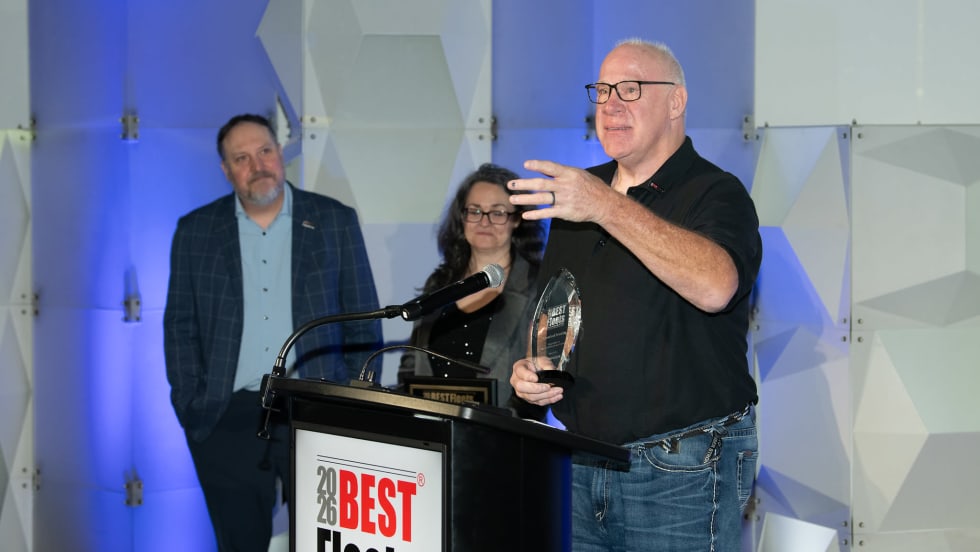
Best Fleets to Drive For: Two Carriers Earn Overall Award for First Time
CarriersEdge announced the 2026 Best Fleets to Drive For overall winners, with Crawford Trucking, Fortigo Freight Services, and FTC Transportation receiving top awards.
Read More →
Federal Proposal Would Allow Pell Grants for Shorter-Term Job Training
The Department of Labor plans to expand Pell Grant eligibility to some shorter workforce training programs, a move the American Trucking Associations said will help strengthen commercial driver training schools and diesel technician training programs.
Read More →
Owner-Operator Model Gets Boost as DOL Proposes 2024 Independent Contractor Definition Reversal
For an industry that has watched this issue go back and forth for years, the independent contractor proposal marks the latest swing in the regulatory pendulum.
Read More →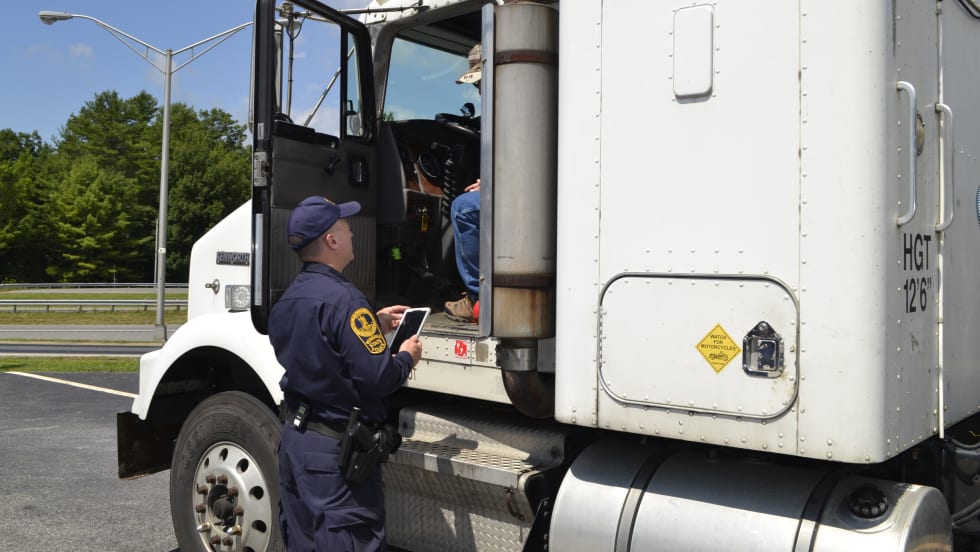
FMCSA Reinstates Field Warrior ELD to Registered Device List
One electronic logging device has been reinstated to the FMCSA's list of registered ELDs.
Read More →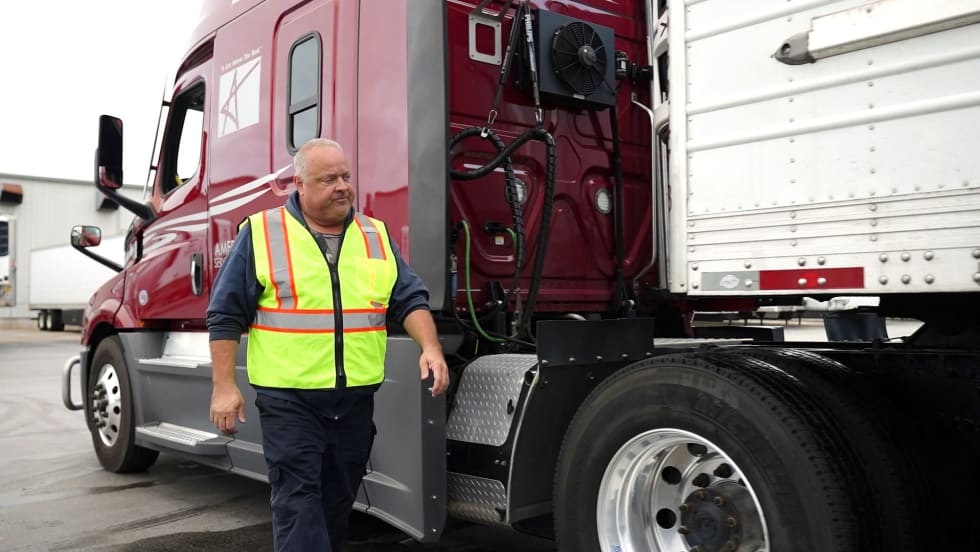
How One Company is Using Smart Suspension Technology to Reduce Driver Injuries and Improve Retention
America’s Service Line adopted Link’s SmartValve and ROI Cabmate systems to address whole-body vibration, repetitive strain, and driver turnover. The trucking fleet is already seeing measurable results.
Read More →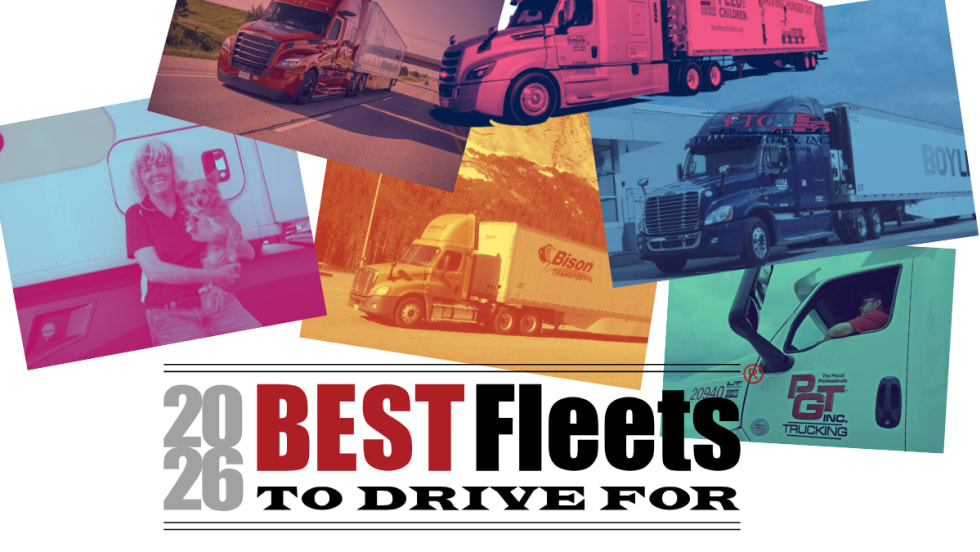
CarriersEdge Announces 2026 Best Fleets to Drive For
The 18th annual contest recognizing the best workplaces for truck drivers sees changes to Top 20, Hall of Fame
Read More →
FMCSA Targets 550+ ‘Sham’ CDL Schools in Nationwide Sting Operation
The Federal Motor Carrier Safety Administration issued more than 550 notices of proposed removal to commercial driver training providers following a five-day nationwide enforcement sweep. Investigators cited unqualified instructors, improper training vehicles, and failure to meet federal and state requirements.
Read More →