




The DEF Tracker draws on Integer's strong position and expertise in DEF, fertilizer and chemicals market analysis and price reporting. DEF Tracker, the first report of its kind, was created in response to increasing trading activity and more frequent contract settlements in the market.
The North American DEF sector has evolved quickly since the beginning of 2010 and has switched from quarterly to monthly price announcements, resulting in a more liquid and volatile market. Integer's experience of tracking DEF is built on strong ties with large, medium and smaller market players, establishing a dialogue with a large number of market participants at every stage of the supply chain and with end users. This has enabled Integer's editors and reporters to develop a full understanding of pricing.
DEF Tracker price benchmarks the key Metropolitan Statistical Areas in the USA and Canada, as defined by the US Census Bureau. The pilot issue covers Houston, New York, Chicago, Cincinnati, Los Angeles and Toronto.
Integer will report end-user Truckload and Less-than-Truckload and tote refill prices for all these metros, following a rigorous methodology. The company launch new price references as soon as sufficient data becomes available that updated pump pricing in every U.S. state and Canadian province every month. As well, it average the prices out across states and provinces, and report the number of locations in each state and province.
Integer's experience and extensive specialist work as a leading consultancy in the global urea market (both fertilizer and industrial end-uses) gives it a unique viewpoint on urea feedstock pricing. Interger will soon introduce a NOLA urea reference price in the DEF Tracker providing a benchmark price that will be useful for suppliers and buyers in their contractual negotiations.
The pilot issue of DEF Tracker can be downloaded here after filling out a registration form. Or, email publications@integer-research.com.
Integer Research Offers Independent North American DEF Price Reference Service
The DEF Tracker draws on Integer's strong position and expertise in DEF, fertilizer and chemicals market analysis and price reporting. DEF Tracker, the first report of its kind, was created in response to increasing trading activity and more frequent contract settlements in the market
More Drivers

FMCSA Extends Paper Medical Card Exemption … Again
Five states still aren't ready to accept commercial driver medical exam information directly from the medical examiner's registry.
Read More →
Mack Launches Digital Driver Guide for Chassis-Specific Truck Info
Mack’s new, virtual owner’s manual delivers VIN-based, on-demand guidance for vehicle systems via web, app, and soon in-cab displays.
Read More →
Western Star Showcases Truckers' Pride and Skill
Western Star is expanding its Star Nation Experience in 2026, adding new competitions and dealer participation to highlight operator skills and promote careers in trucking.
Read More →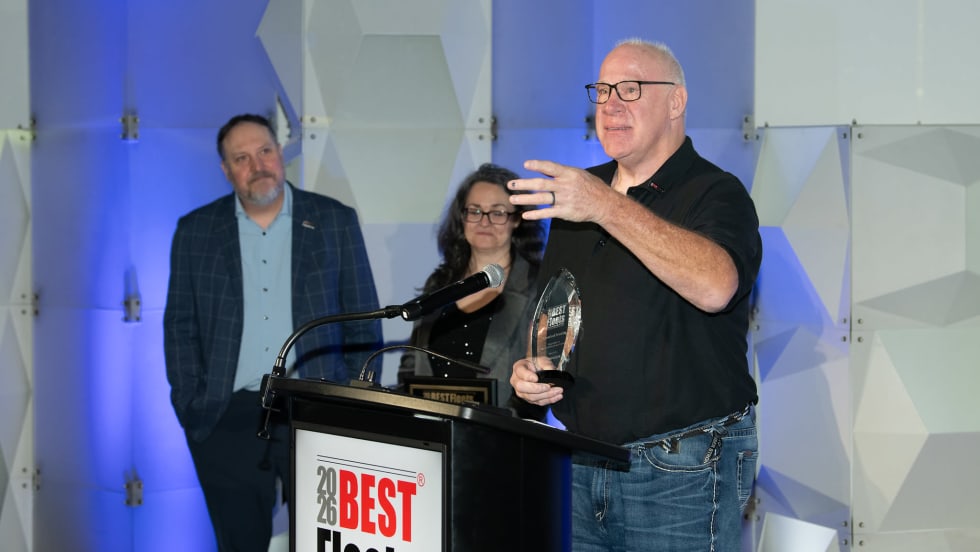
Best Fleets to Drive For: Two Carriers Earn Overall Award for First Time
CarriersEdge announced the 2026 Best Fleets to Drive For overall winners, with Crawford Trucking, Fortigo Freight Services, and FTC Transportation receiving top awards.
Read More →
Federal Proposal Would Allow Pell Grants for Shorter-Term Job Training
The Department of Labor plans to expand Pell Grant eligibility to some shorter workforce training programs, a move the American Trucking Associations said will help strengthen commercial driver training schools and diesel technician training programs.
Read More →
Owner-Operator Model Gets Boost as DOL Proposes 2024 Independent Contractor Definition Reversal
For an industry that has watched this issue go back and forth for years, the independent contractor proposal marks the latest swing in the regulatory pendulum.
Read More →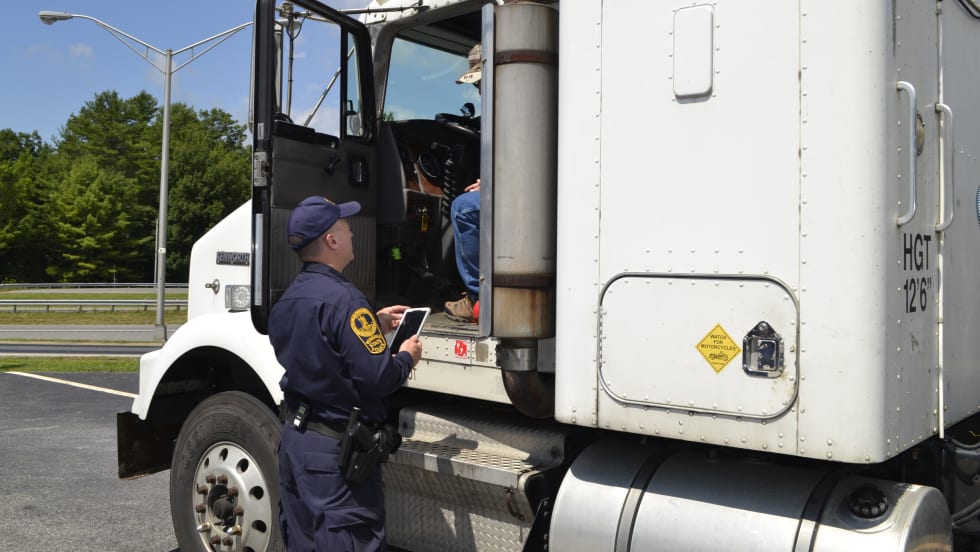
FMCSA Reinstates Field Warrior ELD to Registered Device List
One electronic logging device has been reinstated to the FMCSA's list of registered ELDs.
Read More →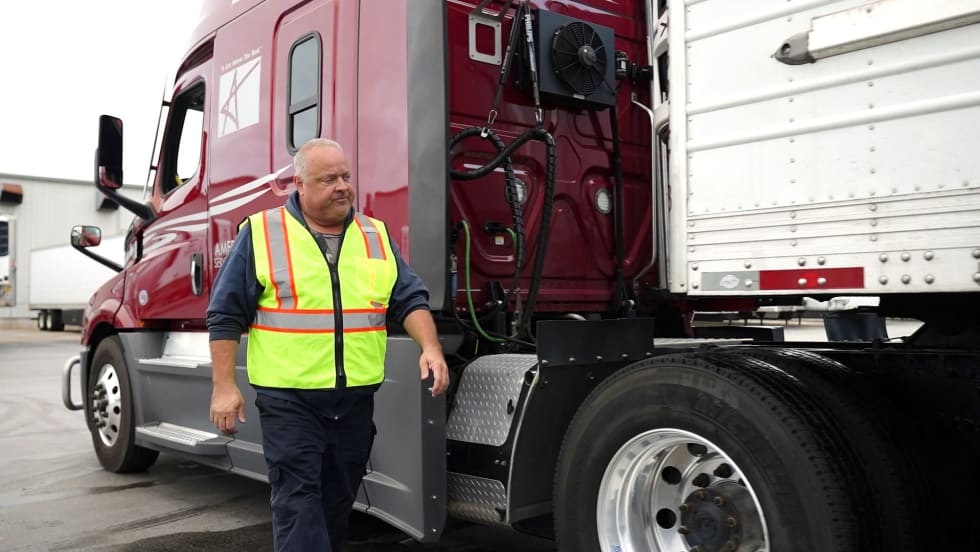
How One Company is Using Smart Suspension Technology to Reduce Driver Injuries and Improve Retention
America’s Service Line adopted Link’s SmartValve and ROI Cabmate systems to address whole-body vibration, repetitive strain, and driver turnover. The trucking fleet is already seeing measurable results.
Read More →
CarriersEdge Announces 2026 Best Fleets to Drive For
The 18th annual contest recognizing the best workplaces for truck drivers sees changes to Top 20, Hall of Fame
Read More →
FMCSA Targets 550+ ‘Sham’ CDL Schools in Nationwide Sting Operation
The Federal Motor Carrier Safety Administration issued more than 550 notices of proposed removal to commercial driver training providers following a five-day nationwide enforcement sweep. Investigators cited unqualified instructors, improper training vehicles, and failure to meet federal and state requirements.
Read More →