Intermodal Freight Volume Rises 2.6% in First Quarter
Total intermodal freight volumes rose 2.6% above the previous year in the first quarter of 2014, according to new figures from the Intermodal Association of North America, despite extreme weather conditions depressing economic activity across much of the continent.
by Staff
May 5, 2014
2 min to read
Total intermodal freight volumes rose 2.6% above the previous year in the first quarter of 2014, according to new figures from the Intermodal Association of North America, despite extreme weather conditions depressing economic activity across much of the continent.
Ad Loading...
For the first time in nearly a decade, trailer growth outperformed all other intermodal segments, posting a 7.5% increase.
Ad Loading...
“Severe weather during the first quarter impacted the entire transportation network,” said Joni Casey, president and CEO of IANA. “But despite these challenges, intermodal volumes showed modest growth, led by gains in trailer movements particularly in some of the regions that were hardest hit by winter, such as the Northeast and Eastern Canada.”
Big boxes recorded a 3.2% increase over the first quarter of 2013. While the gain was the weakest in four years, IANA says it beat many industry market-observers’ expectations, who monitored employment, retail sales and other economic indicators, anticipating a static or declined performance.
International intermodal volumes demonstrated volatility during the first quarter but gained 1.1% when compared to the first quarter of 2013. Declines were recorded in the first two months of the year but international shipments posted an impressive 8.5% gain over March 2013.
“It’s a little too early though to tell whether March is indicative of an upward trend or an anomaly when considering the strength of the international sector,” the group said in a release.
IANA says there were inconsistencies between regional traffic results when comparing quarterly performance. The Northwest, Midwest and Eastern Canada all underperformed the industry average. Conversely, the Mountain Central, South Central, Southwest and Western Canadian regions all performed better than the overall industry average. The Mountain Central region posted 17.2% growth, however, this region is the smallest intermodal area that is tracked. Western Canada also recorded impressive growth at 8.3% over the same time period. Meanwhile, intermodal loads in Eastern Canada declined 1.4% despite the percentage of trailer growth and the Northwest saw a 12.9% decrease from the first quarter of 2013 to the first quarter 2014.
Ad Loading...
“Intermodal marketing companies, generally a good indicator of broader intermodal industry trends, also felt the effects of adverse weather conditions this quarter,” the group said. “Total volume levels dropped by 1.2% year-to-year, marking the first decline since the third quarter of 2009. However IMCs reported improved average revenues for first quarter, mostly boosted by tighter capacity. “
“Given the long-term strength demonstrated by domestic intermodal coupled with tight trucking capacity, it’s likely that intermodal will continue to be the dominate source of IMC growth for the balance of 2014,” said IANA
ACT Research data shows volumes hitting a four-year high and supply-demand balance strengthening, but higher oil prices are undercutting tariff relief and tempering optimism.
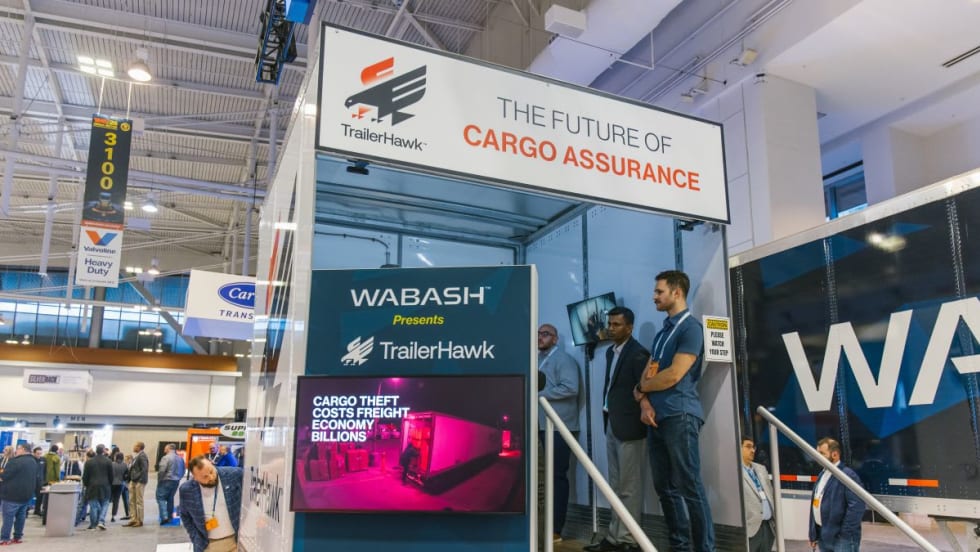
The patent-pending cargo solution integrates a digitally connected cargo door and an intelligent locking system with the TrailerHawk.AI technology platform.
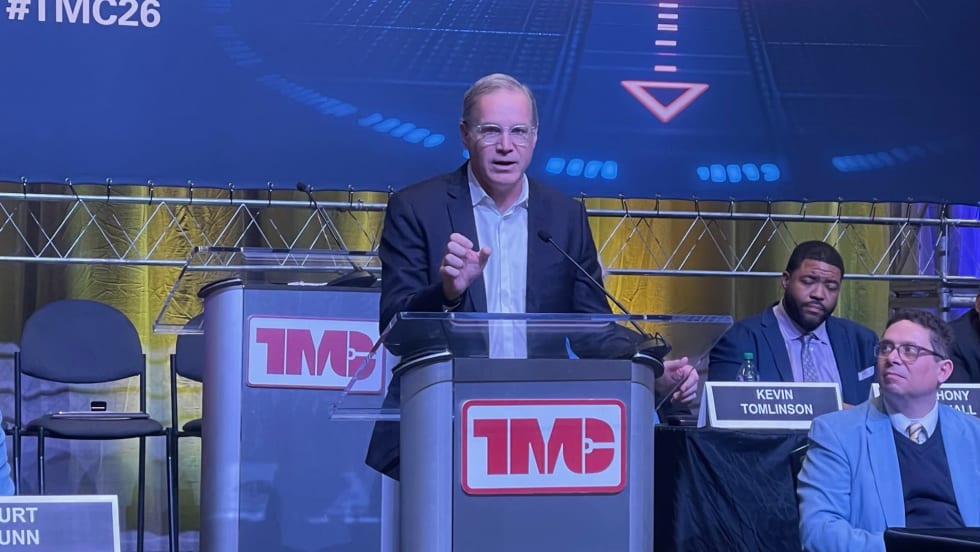
Speaking at the TMC Annual Meeting in Nashville, ATA President Chris Spear said trucking faces mounting pressure from rising fuel prices, geopolitical instability, and uncertainty around trade policy.
More than 100,000 new trucking companies enter the industry each year, but regulators manage to audit only a fraction of them. That churn creates opportunities for inexperienced startups — and for “chameleon carriers” that shut down after safety violations and reappear under new identities. Read more from Deborah Lockridge in this commentary.
HDTX is an intimate event that connects heavy-duty trucking fleet managers with industry suppliers through small-group discussions, educational sessions, and structured one-on-one meetings.
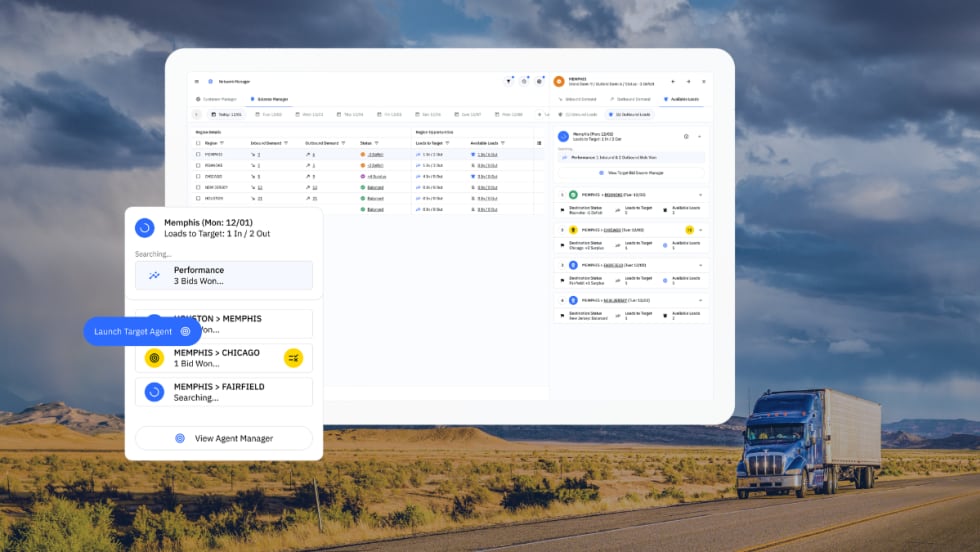
Optimal Dynamics says its new Scale platform uses AI agents and optimization to help carriers find and secure freight that improves network balance and profitability.
NACFE's Run on Less - Messy Middle project demonstrates the power of data in helping to guide the future of alternative fuels and powertrains for heavy-duty trucks.