





The Commercial Vehicle Safety Alliance's International Roadcheck on May 16-18 will focus on antilock braking systems (ABS) and cargo securement to highlight the importance of those aspects of vehicle safety.
International Roadcheck to Spotlight ABS, Cargo Securement
The Commercial Vehicle Safety Alliance's International Roadcheck inspection event from May 16-18 will highlight the importance of antilock braking systems and cargo securement.
February 28, 2023
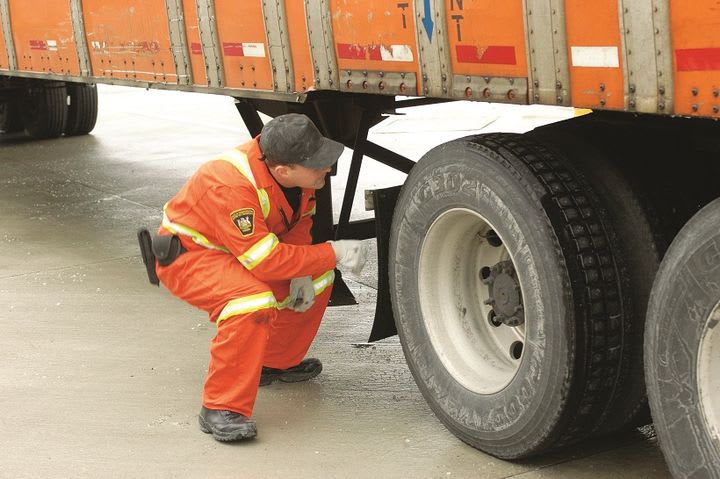
The Commercial Vehicle Safety Alliance's 2023 International Roadcheck inspection event will be held May 16-18.
Photo: Jim Park
2 min to read
International Roadcheck is a high-visibility, high-volume 72-hour inspection and enforcement event where CVSA-certified inspectors in Canada, Mexico and the U.S. will conduct inspections of commercial motor vehicles and drivers at weigh/inspection stations, designated inspection areas and along roadways. During Roadcheck, inspectors will conduct their usual roadside safety inspections of commercial motor vehicles and drivers. Data will be gathered from those three days and shared later this year, as a snapshot of the state of commercial motor vehicle and driver safety.
ABS and Cargo Securement Inspection
Although ABS violations are not out-of-service violations, ABS play a critical role in reducing the risk of collisions by preventing the wheels from locking up or skidding, allowing a driver to maintain control of the vehicle while braking.
In addition, improper cargo securement poses a serious risk to drivers and other motorists by adversely affecting the vehicle’s maneuverability, or worse, causing unsecured loads to fall, resulting in traffic hazards and vehicle collisions.
How Truck Inspections Work
During a routine North American Standard Level I Inspection, inspectors focus on two areas – driver and vehicle safety compliance.
Vehicle safety – Inspectors will ensure the vehicle’s brake systems, cargo securement, coupling devices, driveline/driveshaft components, driver’s seat, fuel and exhaust systems, frames, lighting devices, steering mechanisms, suspensions, tires, wheels, rims, hubs and windshield wipers are compliant with regulations. Inspections of motorcoaches, passenger vans and other passenger-carrying vehicles also include emergency exits, seating, and electrical cables and systems in the engine and battery compartments.
Driver safety – Inspectors will check the driver’s operating credentials, hours-of-service documentation, status in the drug and alcohol clearinghouse, seat belt usage, and for alcohol and/or drug impairment.
Vehicles that successfully pass a Level I or Level V Inspection without any critical vehicle inspection item violations may receive a CVSA decal, which is valid for three months.
If the inspector does identify critical vehicle inspection item violations, as outlined in the North American Standard Out-of-Service Criteria, the vehicle will be restricted from operating until the identified out-of-service conditions have been corrected.
Inspectors may also restrict the driver from operating if the driver is found to have driver out-of-service violations, such as not possessing a valid or necessary operating license or exhibiting signs of impairment.
CVSA’s law enforcement member jurisdictions in cities, states, districts, provinces and territories in Canada, Mexico and the U.S. participate in International Roadcheck with support from trucking associations, transportation safety organizations and federal agencies, such as the Federal Motor Carrier Safety Administration, Transport Canada and Mexico’s Ministry of Infrastructure, Communications and Transportation.
More Maintenance
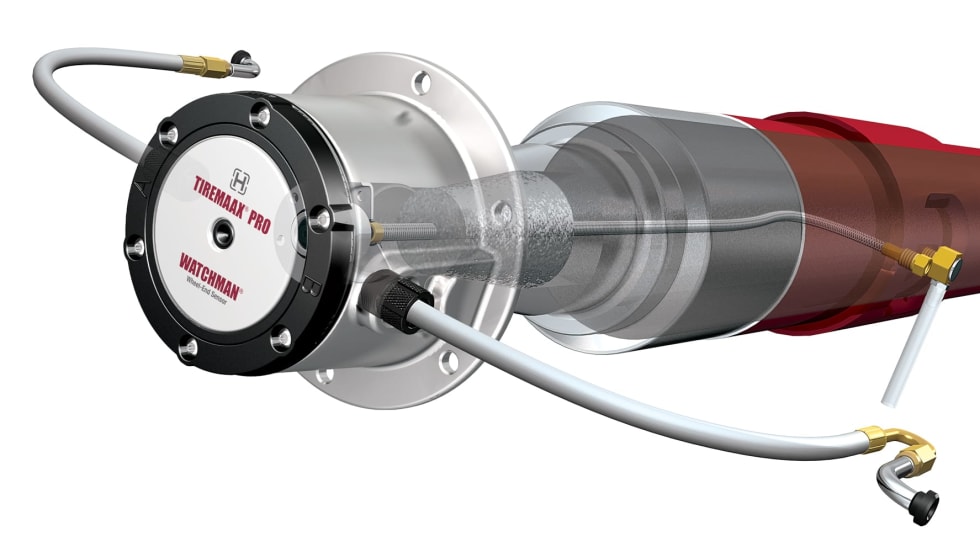
Hendrickson Unveils Watchman Smart Wheel-End System at TMC
Hendrickson’s new sensor platform integrates with its TireMaax system to deliver real-time tire and wheel-end insights, targeting uptime and cost savings.
Read More →
Over-the-Air Updates and the Modern Powertrain Explained
Over-the-air updates are moving beyond recalls, and expanding how fleets manage performance, compliance, and uptime.
Read More →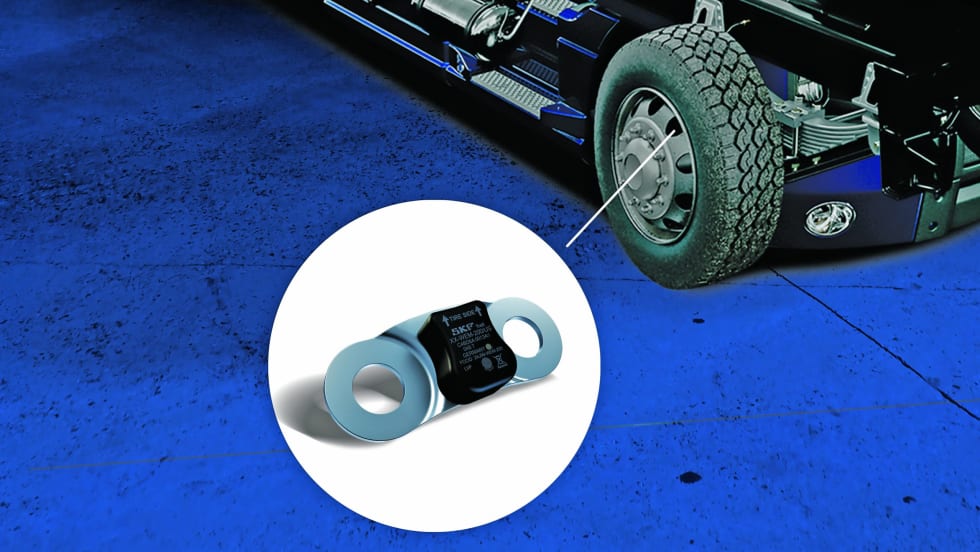
SKF, TMC Expand Hands-On Training to Boost Technician Skills at Annual Meeting
A new partnership between SFK and TMC brings certified, on-site instruction focused on wheel-end reliability and maintenance best practices.
Read More →
Why Higher Pay Isn’t Fixing the Heavy-Duty Technician Shortage
Hiring heavy-duty truck technicians has become a bidding war, but shops that focus on culture, training, and career paths are gaining an edge. That's the takeaway from a TMC panel discussion.
Read More →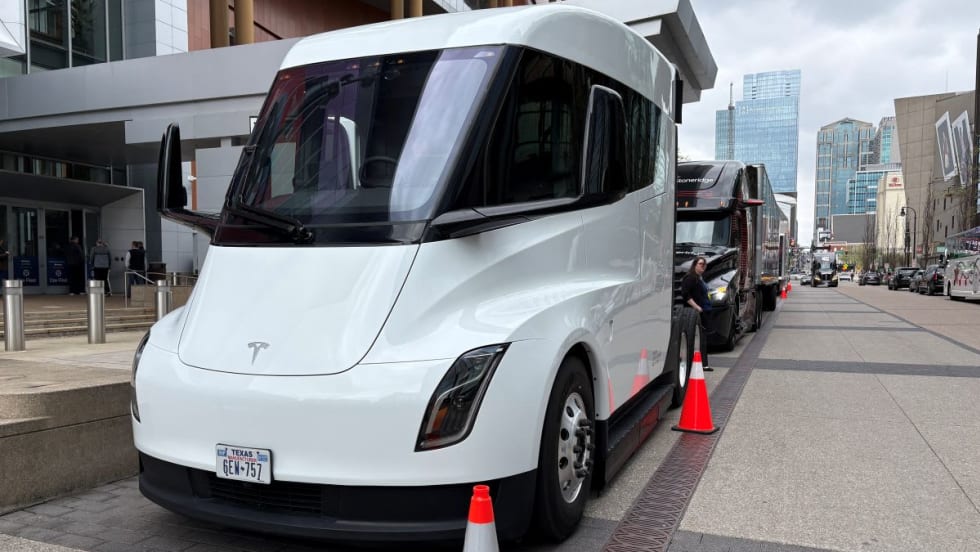
Technology & Maintenance Council 2026 Annual Meeting [Photos]
Couldn't make it to Nashville for TMC's 2026 annual meeting? Check out these images.
Read More →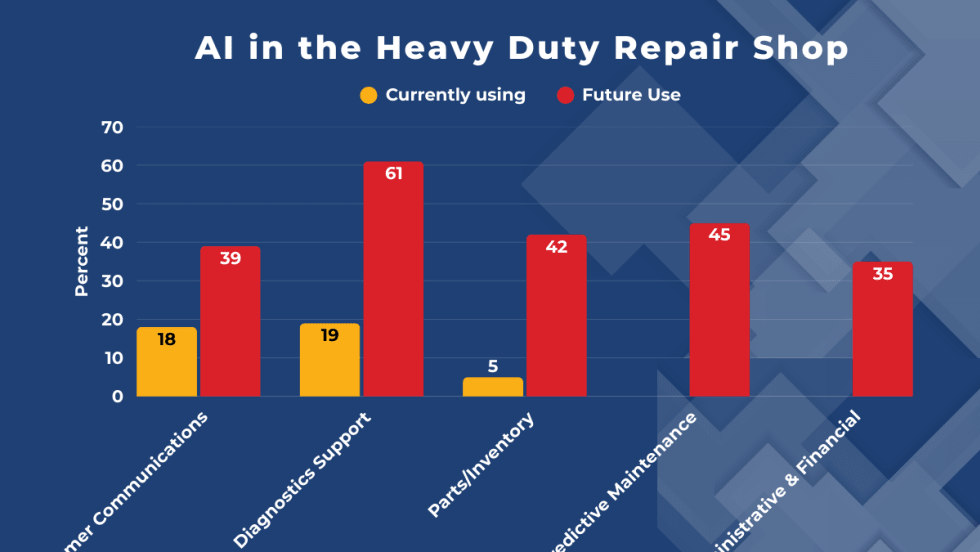
Fullbay Report: Heavy-Duty Shop Revenue Up, Rates Rising, but Shops Still Short on Techs
Strong growth across the heavy-duty repair sector is being tempered by workforce shortages and an aging technician pipeline.
Read More →
How Mack Sees the Next Era of Fleet Intelligence
Telematics has evolved from simple vehicle tracking into a connected service platform that can help fleets boost uptime, improve specifications, and move toward predictive maintenance. Mack executives say AI is now giving fleets a way to turn all that vehicle data into faster, smarter decisions.
Read More →
Clarios Expands Battery Monitoring Into Subscription Service with Battery Manager Pro
A new battery-monitoring-as-a-service program from Clarios Connected Services uses predictive analytics and automatic replacement to reduce downtime and smooth fleet maintenance costs.
Read More →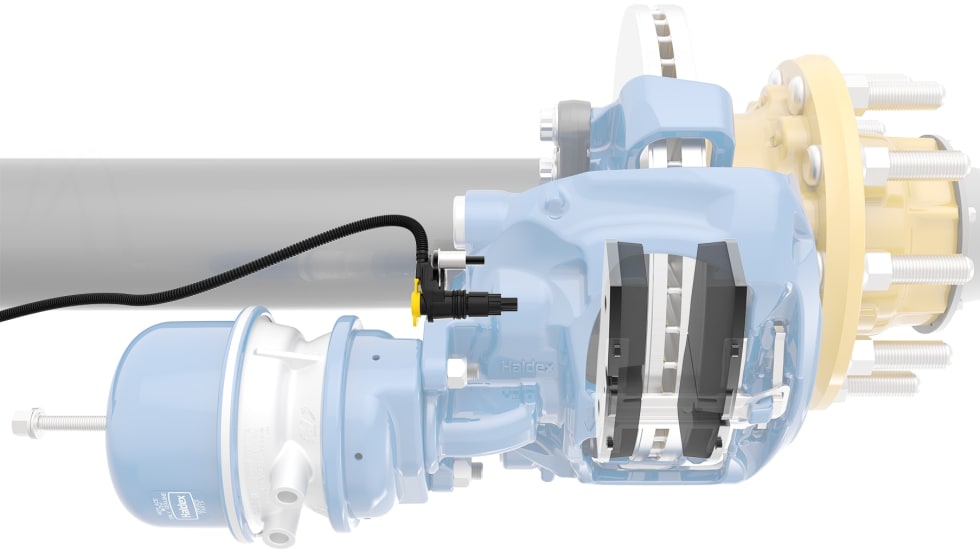
SAF-Holland’s BrakeSight Aims to Take the Guesswork Out of Air Disc Brake Maintenance
New Haldex sensor technology from SAF-Holland integrates with telematics systems to give fleets continuous insight into air disc brake condition.
Read More →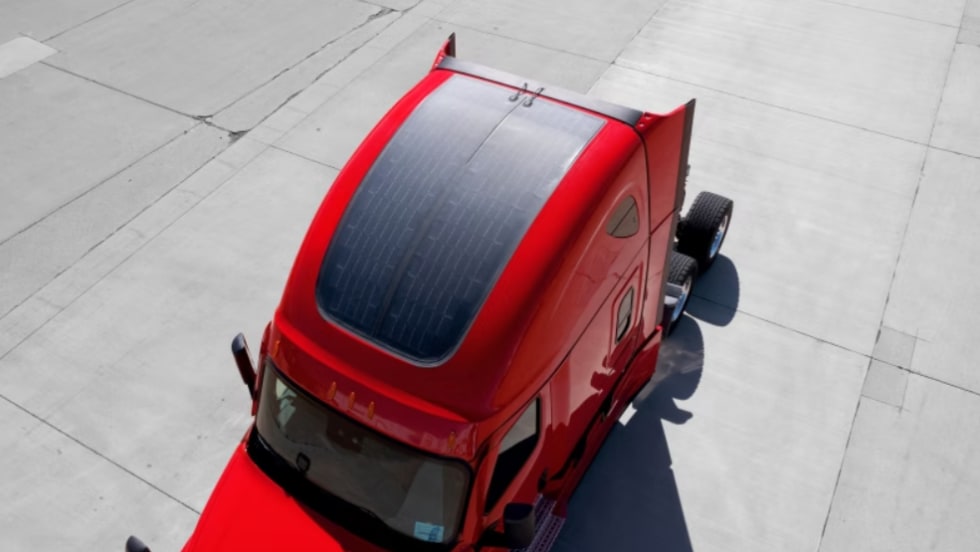
Vanair Introduces Solar, Battery Power Ecosystem for Class 8 Trucks
The company’s expanded EPEQ ecosystem includes flexible solar panels, lithium batteries, hydraulic power systems, and a portable fast charger for electric trucks.
Read More →