




As the American Trucking Associations continues its legal struggle to stop the Port of Los Angeles from implementing a concession program that would ban owner-operators from the port, the drayage companies that contract with those drivers will likely be facing new claims that the drivers are just misclassified employees.
Is That Contract Driver Really an Employee? Port Drayage Companies Face Legal Challenge as They Invest in Clean Trucks
As the American Trucking Associations continues its legal struggle to stop the Port of Los Angeles from implementing a concession program that would ban owner-operators from the port, the drayage companies that contract with those drivers will likely be facing new claims that the drivers are just misclassified employees
by Staff
November 22, 2010
5 min to read
Total Transportation Services Inc., which runs more than 150 drivers at the Port of Los Angeles and Port of Long Beach, was recently sent a determination letter from the IRS ruling that one former driver - classified as an owner-operator - was actually an employee. But the IRS determination doesn't end with just that one driver.
"This ruling pertains to all workers performing services under the same or similar circumstances," the IRS letter says. But it also says that "the determination is based on the application of law to the information presented to us during the course of our investigation… we are not in a position to personally judge the validity of the information submitted."
In fact, all the IRS information on the specific case was obtained from the driver. Although the IRS said in its letter that it contacted the company, it got no response, so it based its determination on the information it had available. "Any other conditions that were not known or furnished may change this determination," the letter advised.
Company Says IRS Didn't Get Its Side
TTSI President Vic LaRosa said the company has no record of any such communication from the IRS, and the IRS has not been able to document that such a message was sent. It's hard to believe that a message from the IRS would not get noticed, he said.
If the IRS determination were to stand, it would be devastating for the company, which would have to come up with withholding and other appropriate employee taxes and payments for its drivers.
LaRosa said the company is responding to the IRS and that his attorneys don't feel it's a "big deal." But he also feels that the industry may be in for an onslaught of such challenges in the near future. Part of it has to do with the two ports' clean truck programs, which mandated that newer, cleaner trucks be used to service the ports.
Because the mostly immigrant population of contract drivers could not afford to buy such trucks, many harbor drayage companies bought the newer trucks and leased them to the drivers. That may have cleaned up the air, but it also may have made the drayage companies more vulnerable to charges that the drivers are not independent businessmen, but are, in fact, employees.
In its determination, the IRS claimed that the firm provided all equipment such as truck, chassis, container, and insurance, while the driver provided his own personal items and diesel fuel. And the cost of diesel was factored into the worker's rate, the IRS said.
"The worker was not engaged in an independent enterprise requiring capital outlay or the assumption of a business risk," the IRS letter said. Therefore he could not realize a profit or incur a loss as a result of his services for the firm. Lack of investment in facilities or equipment indicates dependence on the person or persons for whom the services are performed for such facilities or equipment and, accordingly the existence of an employer-employee relationship."
In the Eye of the Beholder?
Whether or not a driver or any other worker is legally an independent contractor or an employee is determined by a number of very subjective tests - none of which are conclusive in and of itself. The weight given to each of those tests is largely in the eye of the beholder - whether it is a judge or an administrative official - which makes determination of a worker's status a somewhat unpredictable and frustrating process for both those challenging a classification and those defending it.
LaRosa says his company and others in the drayage industry acted proactively in making huge investments in later-model trucks in order to satisfy the need to reduce air emissions in the harbor area.
"There's no way the owner-operators could be able to finance those trucks themselves," he said. "It seems a little unfair that now they are going to turn around and use this against us."
The driver in question worked for the company less than 30 days, LaRosa said. Although the company dispatched him to pick up and deliver certain loads, the driver was free to choose his own hours, work on whatever days he wished, and could even use the truck to contract with other companies, LaRosa said.
He also notes the Section 530 Safe Harbor provision of the 1978 Revenue Act, which provides an exception for companies that use independent contractors "if that classification is supported by a long-standing and recognized practice in a significant segment of the taxpayer's industry."
But it can be argued that the longstanding and recognized practice of using contract drivers in the drayage industry may have already been compromised as companies began owning the vehicles instead of the drivers owning their own rigs. How big a difference that change in circumstance will make in determining the status of the driver is a question that the attorneys - on both sides of the issue - will probably end up thrashing out in court.
George Cunningham is editor of The Cunningham Report, a weekly e-mail newsletter reporting on the West Coast ports. Previously he worked as a reporter and as an editor at several publications, including the Press-Telegram in Long Beach, where he covered the Los Angeles-Long Beach ports as a business writer.
More Fleet Management

'Beyond Compliance,' Regulations, Driver Coaching on ATRI’s 2026 Research List
The American Transportation Research Institute will examine driver coaching, regulatory impacts — including the "Beyond Compliance" concept —and weather disruptions that shape trucking operations.
Read More →
Fleet Advantage's Brian Antonellis on the Growing Need to Replace Old Trucks
Fleet Advantage's Brian Antonellis says it's time for fleets to get back to the fundamentals of good maintenance practices. And that includes replacing older, inefficient equipment.
Read More →
Truckstop.com Adding to Open Deck, Heavy Haul Offerings
Load matching for flatbed, lowbed, oversize and overweight loads can't be automated like basic van freight, but Truckstop.com is adding more high-tech tools to help.
Read More →
Trucker Path, Truckstop.com Expand Load Access Partnership
An expanded Trucker Path and Truckstop.com integration brings more freight opportunities into the TruckLoads app while emphasizing security and network quality.
Read More →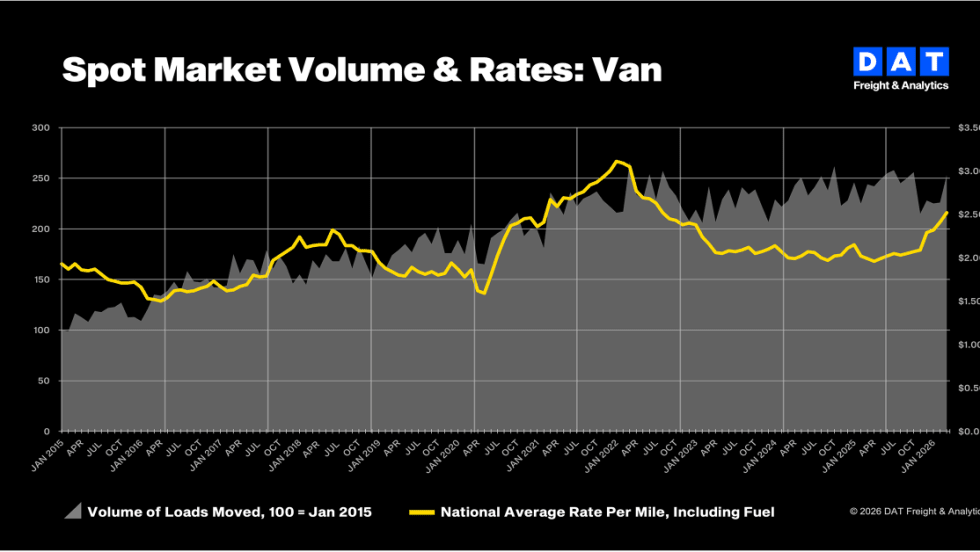
Truckload Rates Hit Two-Year Highs as Diesel Costs Surge, DAT Says
Strong March freight demand combined with a spike in fuel costs pushed both spot and contract truckload rates to their highest levels in more than two years.
Read More →
The AI Conversation You Need to Have with Your TMS Provider
Everyone’s talking about AI — but is your transportation management system actually built for it?
Read More →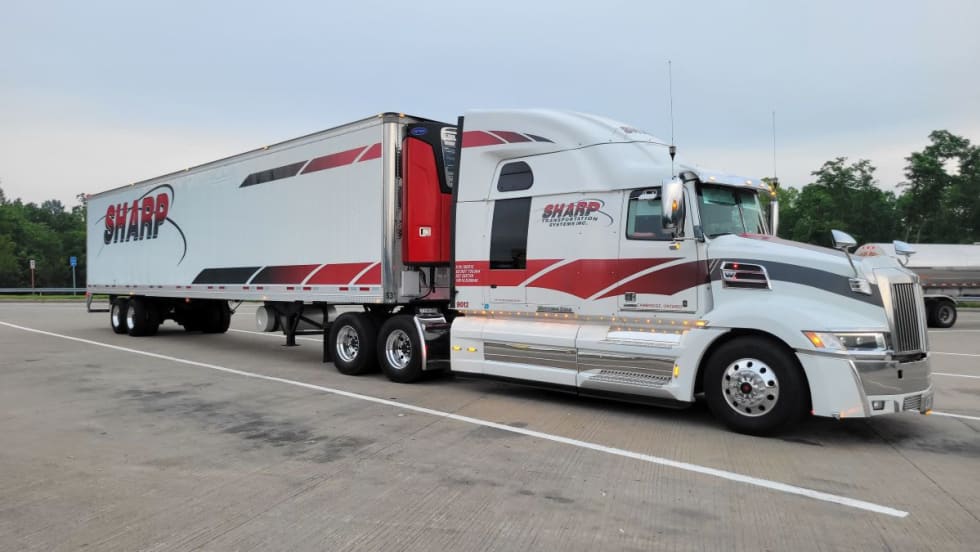
Kriska Buys Fellow Canadian Carrier Sharp Transportation Systems
Being part of KTG will allow Sharp to expand and improve its services.
Read More →
Bill in House Would Raise Minimum Insurance for Motor Carriers to $5 Million
The Fair Compensation for Truck Crash Victims Act would increase insurance requirements for interstate motor carriers by nearly seven times.
Read More →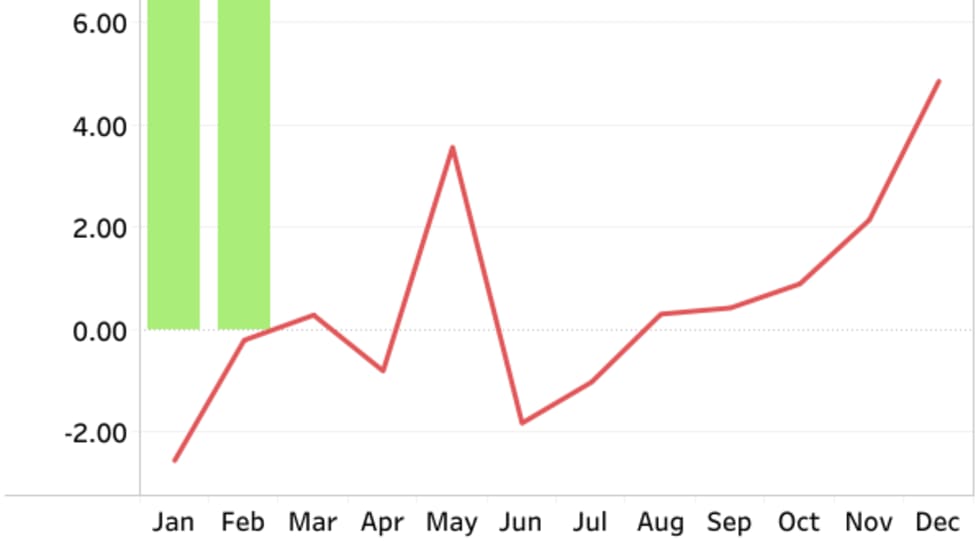
FTR Trucking Conditions Index Hits Four-Year High in February
Strong freight rates push TCI to 10.2, but FTR expects fuel-price volatility to skew March results.
Read More →
C.H. Robinson Offers Carriers Relief as Diesel Prices Surge
C.H. Robinson is waiving fees on fuel cards and cash advances for April and May, aiming to help carriers offset rising diesel costs tied to geopolitical instability.
Read More →