





Market numbers point to a turning point in the capacity crisis, says Noel Perry.
Is the Capacity Crunch Slowing?
Market numbers point to a turning point in the capacity crisis, says Noel Perry.
August 6, 2018
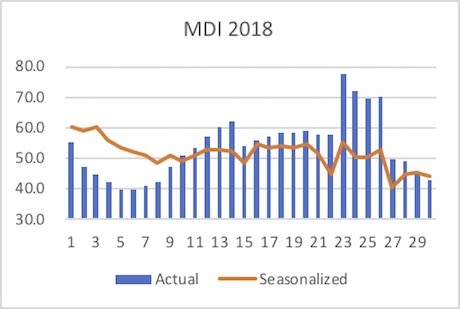
Graph courtesy Transport Futures
3 min to read
In two recent entries in his Transport Navigator blog, he tells subscribers that changes in the spot and contract market tracked by Truckstop.com is a leading indicator of changing market conditions.
Perry has been consulting on the freight market since 2008 and has provided insight and forecasts in the past for firms such as FTR and Schneider.
A few weeks ago, on July 10, Perry wrote about the four consecutive weeks of elevated numbers for dry vans in Truckstop.com’s Market Demand Index.
“The change has been coincident with the normal spring safety enforcement period, suggesting a strong enforcement effect. While there is likely some fire to go with that smoke, we need to look more carefully before concluding that the market has moved to a new and more dramatic level of tightness.”
Consulting rate statistics, he explained, did not show the same type of dramatic movement. While “one must conclude that prices are quite high, almost fifty cents per mile above a year ago…They are not, however, moving farther upward in a convincing fashion.” In fact, he said, “one can justifiably suggest that most of the 2018 movement in rates has been seasonal.”
And in fact, he said, if you “seasonalize” the dry van spot rates, the “capacity crisis” actually peaked in January.
Looking at contract rates, which lag behind spot rates, Perry noted that after rising only modestly for much of 2017, contract rates have taken off in 2018 and apparently have not peaked yet. Such double-digit increases have occurred only one other time since 2000: in 2004, the other great capacity event.
By last week, on August 3, Perry said looking at the seasonalized Market Demand Index, he could see three distinct periods for the year. The first featured falling readings as the market settled down, after peaking at the time of the beginning of the electronic logging device (ELD) mandate. The market established a new, roughly flat trend through the middle spring as participants were testing the effects of ELD enforcement.
However, since Week 20, roughly Memorial Day, there has been a new and declining trend. (The bump-ups in weeks 23 and 26 have to do with the timing of holidays, not sustained market dynamics.) Since the current trend started 10 weeks ago, the Index has lost almost 20% of its value, he said.
“I conclude that we have reached a turning point in the current capacity crisis," he wrote. "Ten weeks and the 20% drop are more than enough to substantiate that conclusion. This development is entirely consistent with the cessation of new regulation. Only the very strong economics in the second quarter have kept the decline from being more dramatic.”
Of course, spot market data is a leading indicator.
“History tells us that spot prices lag capacity measures by three to six months. We should also conclude that same downward pressure will eventually impinge on contract pricing, perhaps with a further lag of six months,” he wrote. “Things will happen in contract pricing, caused by the same market forces, but not until later.”
The upshot? Perry predicts that “pricing will remain strong even though the capacity fundamentals are softening. This means that short-term operating plans, still dealing with robust pricing, will be at odds with planning, which must account for weaker pricing (and volumes).”
Perry's Transport Navigator blog is written under the banner of his Transport Futures consultancy firm and is available by subscription only.
More Fleet Management

ACT: Trucking Volumes Rise, Capacity Tightens as Fuel Prices Cloud Outlook
ACT Research data shows volumes hitting a four-year high and supply-demand balance strengthening, but higher oil prices are undercutting tariff relief and tempering optimism.
Read More →
Wabash Teams Physical Security With Digital Tech For Better Cargo Visibility
The patent-pending cargo solution integrates a digitally connected cargo door and an intelligent locking system with the TrailerHawk.AI technology platform.
Read More →
From Diesel Prices to Cyberattacks: How the Iran War Is Affecting Trucking
The impact of the Iran conflict extends beyond fuel costs, bringing more fraud and cybersecurity risks to the trucking industry.
Read More →
ATA’s Spear Warns Fuel Prices, Trade Policy, and Global Conflict Could Stall Trucking Recovery
Speaking at the TMC Annual Meeting in Nashville, ATA President Chris Spear said trucking faces mounting pressure from rising fuel prices, geopolitical instability, and uncertainty around trade policy.
Read More →
New Entrants, Chameleon Carriers, and Safety: Is It Too Easy to Start a Trucking Company?
More than 100,000 new trucking companies enter the industry each year, but regulators manage to audit only a fraction of them. That churn creates opportunities for inexperienced startups — and for “chameleon carriers” that shut down after safety violations and reappear under new identities. Read more from Deborah Lockridge in this commentary.
Read More →
Fleet Managers Invited to Apply for Exclusive HDT Exchange Event
HDTX is an intimate event that connects heavy-duty trucking fleet managers with industry suppliers through small-group discussions, educational sessions, and structured one-on-one meetings.
Read More →
DAT Launches iPhone Widget to Help Owner-Operators Find Loads Faster
New DAT One feature shows top-paying loads directly on an iPhone’s home screen, helping carriers react faster to spot-market opportunities.
Read More →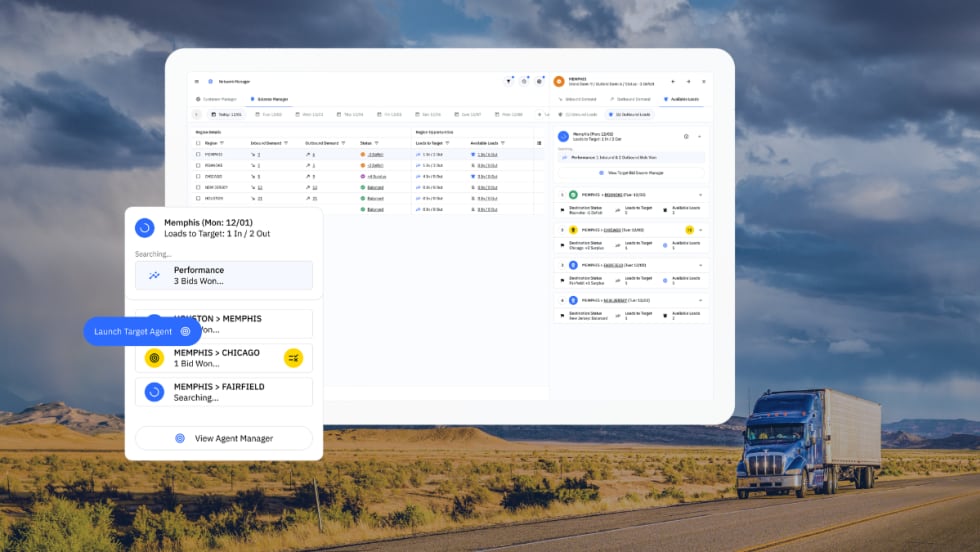
Optimal Dynamics Launches AI System to Help Carriers Choose Better Freight
Optimal Dynamics says its new Scale platform uses AI agents and optimization to help carriers find and secure freight that improves network balance and profitability.
Read More →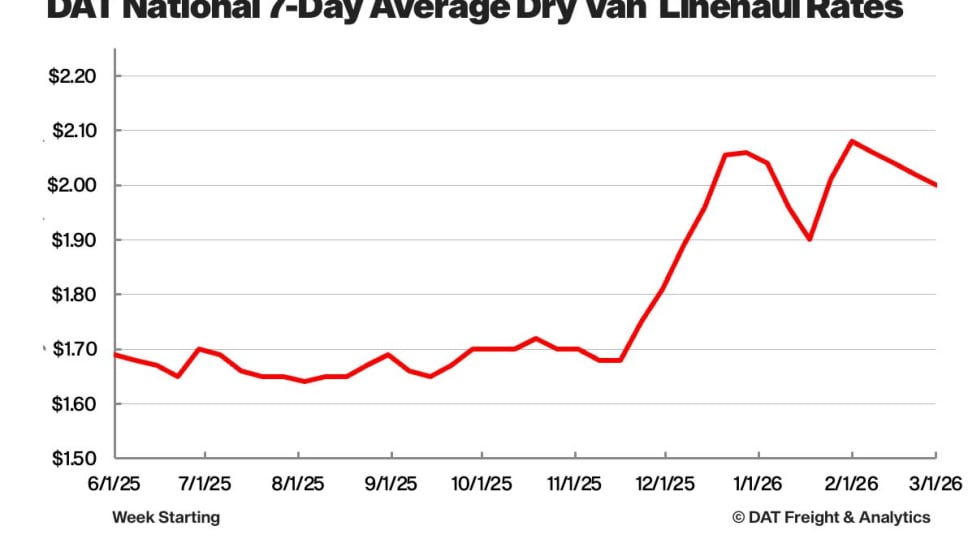
DAT: Flatbed Demand Climbs as Van and Reefer Rates Soften
DAT Freight & Analytics data shows tightening flatbed capacity, easing produce markets, and softening van and reefer rates.
Read More →
Run on Less “Messy Middle” Data Shows Multiple Paths Forward for Truck Powertrains [Watch]
NACFE's Run on Less - Messy Middle project demonstrates the power of data in helping to guide the future of alternative fuels and powertrains for heavy-duty trucks.
Read More →