




The Journal of Commerce and PIERS revised estimates for containerized import growth for 2011 and 2012 downward on Thursday, citing weaker economic data reported by the U.S. government that will lead to a nearly stagnant import trade for the rest of this year.
Mario Moreno, economist for The Journal of Commerce/PIERS, revised the annual growth estimate for the full year 2011 down from 4.7% to 2.7%, and from 6.8% to 4.4% for 2012.
He forecast year-over-year declines of 0.7% in overall imports and 2.4% for eastbound trans-Pacific trade for third quarter 2011, followed by increases of 1.1% in overall imports and 0.9% in eastbound trans-Pacific trade in the fourth quarter.
The U.S. Department of Commerce's recent revisions indicate "that the U.S. economy has performed much more poorly in the post recessionary period than was believed and been close to recession for much of the first half of the year," Moreno said.
Stubbornly high unemployment and the weak housing market have led to sluggish retail spending on key import commodities, including furniture and home appliances, despite optimistic results earlier this year.
This weakening of the consumer market contributed to the year-over-year drop of U.S. containerized imports by 5.4% in July, after falling 1.7% the previous month.
Moreno expects the U.S. dollar exchange rate to continue its decline against major currencies well into 2012. Foreign investors will likely turn to other markets as soon as the European financial crisis abates and investor appetite for risk increases, he said, which will cause the demand for dollars to continue falling, and higher import prices to then dampen U.S. demand for goods made abroad.
JOC: Import Trade to Stagnate for Rest of 2011
The Journal of Commerce and PIERS revised estimates for containerized import growth for 2011 and 2012 downward on Thursday, citing weaker economic data reported by the U.S. government that will lead to a nearly stagnant import trade for the rest of this year
More Fleet Management

'Beyond Compliance,' Regulations, Driver Coaching on ATRI’s 2026 Research List
The American Transportation Research Institute will examine driver coaching, regulatory impacts — including the "Beyond Compliance" concept —and weather disruptions that shape trucking operations.
Read More →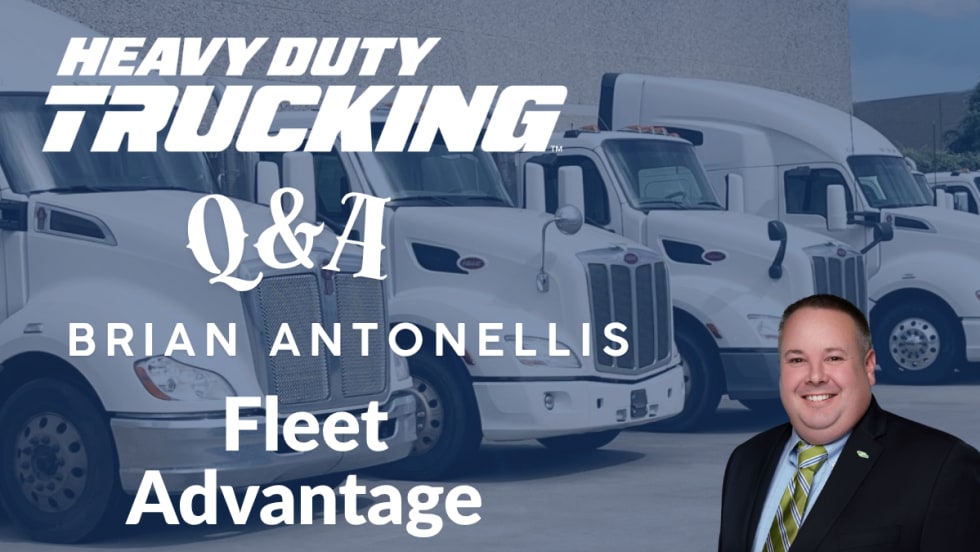
Fleet Advantage's Brian Antonellis on the Growing Need to Replace Old Trucks
Fleet Advantage's Brian Antonellis says it's time for fleets to get back to the fundamentals of good maintenance practices. And that includes replacing older, inefficient equipment.
Read More →
Truckstop.com Adding to Open Deck, Heavy Haul Offerings
Load matching for flatbed, lowbed, oversize and overweight loads can't be automated like basic van freight, but Truckstop.com is adding more high-tech tools to help.
Read More →
Trucker Path, Truckstop.com Expand Load Access Partnership
An expanded Trucker Path and Truckstop.com integration brings more freight opportunities into the TruckLoads app while emphasizing security and network quality.
Read More →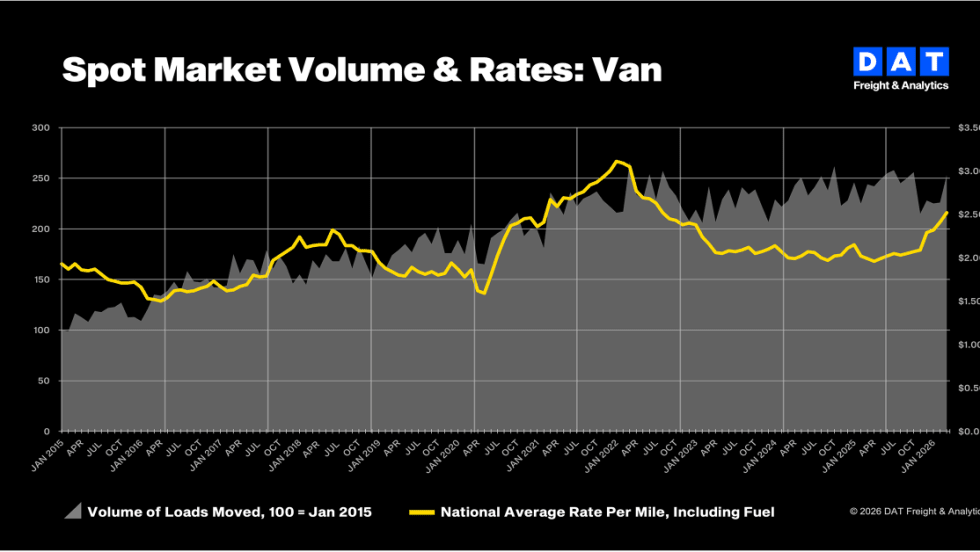
Truckload Rates Hit Two-Year Highs as Diesel Costs Surge, DAT Says
Strong March freight demand combined with a spike in fuel costs pushed both spot and contract truckload rates to their highest levels in more than two years.
Read More →
The AI Conversation You Need to Have with Your TMS Provider
Everyone’s talking about AI — but is your transportation management system actually built for it?
Read More →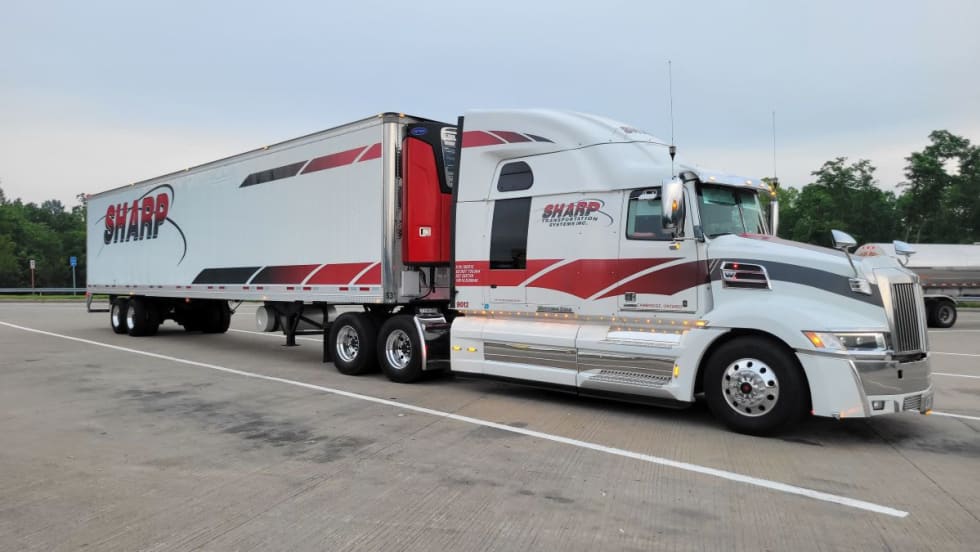
Kriska Buys Fellow Canadian Carrier Sharp Transportation Systems
Being part of KTG will allow Sharp to expand and improve its services.
Read More →
Bill in House Would Raise Minimum Insurance for Motor Carriers to $5 Million
The Fair Compensation for Truck Crash Victims Act would increase insurance requirements for interstate motor carriers by nearly seven times.
Read More →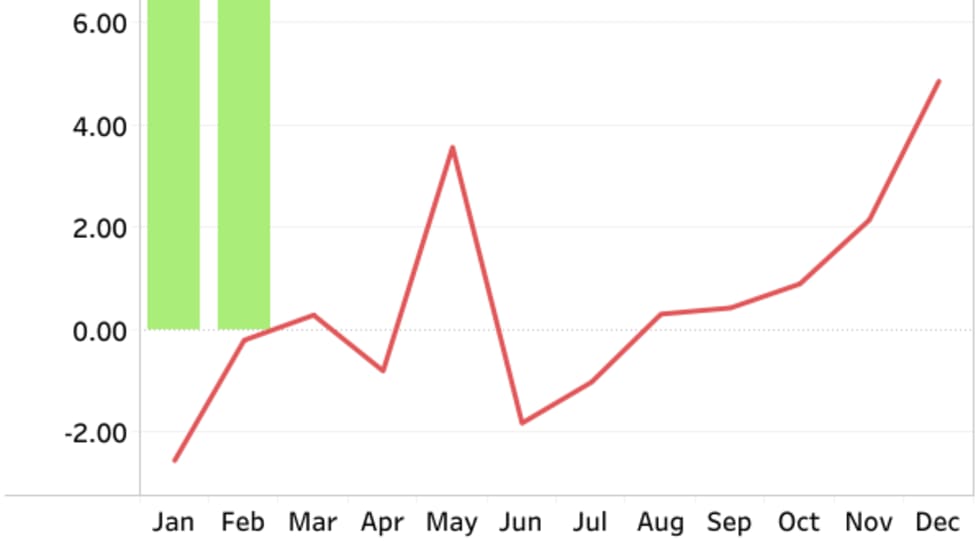
FTR Trucking Conditions Index Hits Four-Year High in February
Strong freight rates push TCI to 10.2, but FTR expects fuel-price volatility to skew March results.
Read More →
C.H. Robinson Offers Carriers Relief as Diesel Prices Surge
C.H. Robinson is waiving fees on fuel cards and cash advances for April and May, aiming to help carriers offset rising diesel costs tied to geopolitical instability.
Read More →