




A federal judge in California stopped the Port of Los Angeles from implementing a key piece of its concession program for drayage carriers, pending an appeal of the issue to a higher court.
Judge Stays LA Port's Driver Employee Requirement
A federal judge in California stopped the Port of Los Angeles from implementing a key piece of its concession program for drayage carriers, pending an appeal of the issue to a higher court
by Staff
October 27, 2010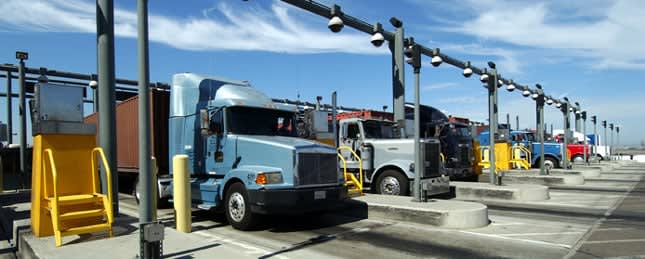
Carriers at the Ports of LA and Long Beach may continue using owner-operators while the case is appealed.
2 min to read
Judge Christina A. Snyder of the U.S. District Court for the Central District of California agreed with American Trucking Associations that the port's plan to require all drayage drivers to be employees of companies, rather than owner-operators, should be stayed pending further review.
The case presents "serious legal questions," Snyder said in her Oct. 26 order. Drayage carriers serving the port are likely to "suffer irreparable harm" due to the employee driver provision if the stay is not granted she said.
Snyder also said that the carriers would be harmed by the port's prohibition against parking tractors on city streets, but the public interest there weighs more in the port's favor so she denied ATA's plea for an injunction on that issue.
This decision puts a stop to the port's plan to start phasing in its driver employee requirement next year, pending the review by the U.S. Court of Appeals for the 9th Circuit that ATA is seeking.
The port had planned to require drayage companies to convert to an all employee workforce over three years: 20 percent by the end of next year, 66 percent by the end of 2012 and 100 percent by the end of 2013. Right now approximately 90 percent of drivers working at the port are independents.
The key underlying legal issue in the case has to do with Snyder's earlier finding that the concession program is legal under the "market participant" doctrine - the port is a private business and is thus exempt from the law that says only the federal government has the authority to regulate trucking business operations.
The port's Clean Truck Program has by all accounts done a good job of improving air quality in and around the port, the employee requirement is a matter of deep concern to trucking and shipping interests not just in California but around the country.
It alarms carriers and shippers because it would open the door for unionization of port drivers.
The owner-operators who serve the port are independents and under current law cannot be organized. There is no guarantee that the Teamsters could succeed in organizing the drivers, but if the Port of LA prevails the union would be able to try.
More Fleet Management

'Beyond Compliance,' Regulations, Driver Coaching on ATRI’s 2026 Research List
The American Transportation Research Institute will examine driver coaching, regulatory impacts — including the "Beyond Compliance" concept —and weather disruptions that shape trucking operations.
Read More →
Fleet Advantage's Brian Antonellis on the Growing Need to Replace Old Trucks
Fleet Advantage's Brian Antonellis says it's time for fleets to get back to the fundamentals of good maintenance practices. And that includes replacing older, inefficient equipment.
Read More →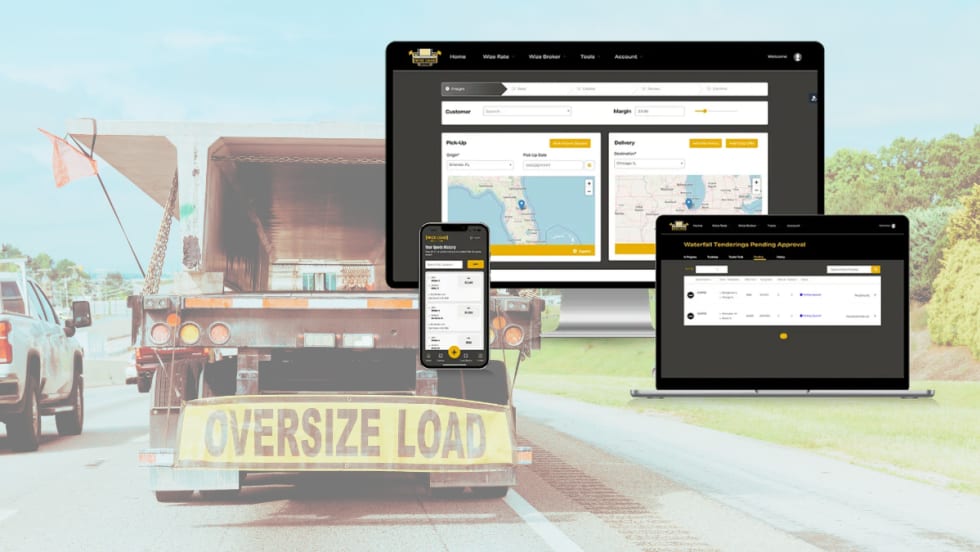
Truckstop.com Adding to Open Deck, Heavy Haul Offerings
Load matching for flatbed, lowbed, oversize and overweight loads can't be automated like basic van freight, but Truckstop.com is adding more high-tech tools to help.
Read More →
Trucker Path, Truckstop.com Expand Load Access Partnership
An expanded Trucker Path and Truckstop.com integration brings more freight opportunities into the TruckLoads app while emphasizing security and network quality.
Read More →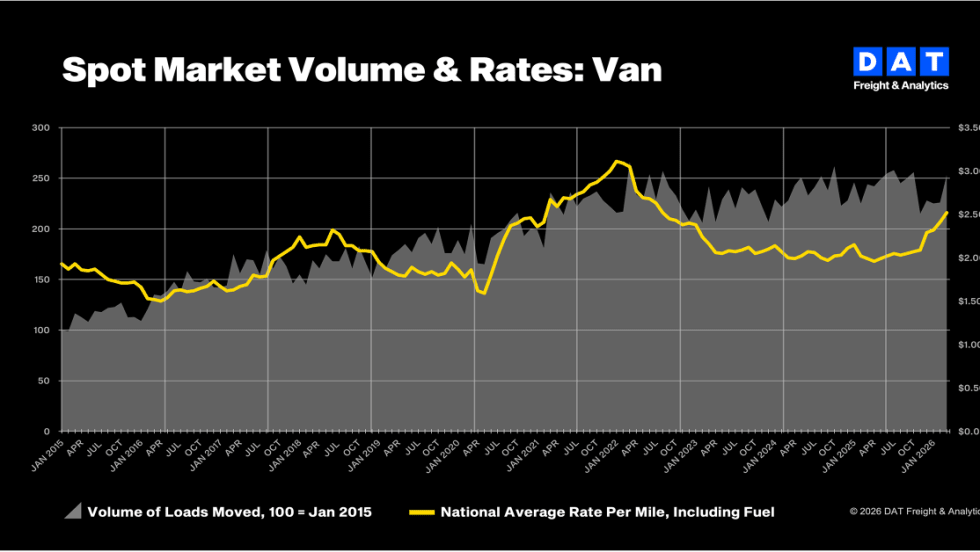
Truckload Rates Hit Two-Year Highs as Diesel Costs Surge, DAT Says
Strong March freight demand combined with a spike in fuel costs pushed both spot and contract truckload rates to their highest levels in more than two years.
Read More →
The AI Conversation You Need to Have with Your TMS Provider
Everyone’s talking about AI — but is your transportation management system actually built for it?
Read More →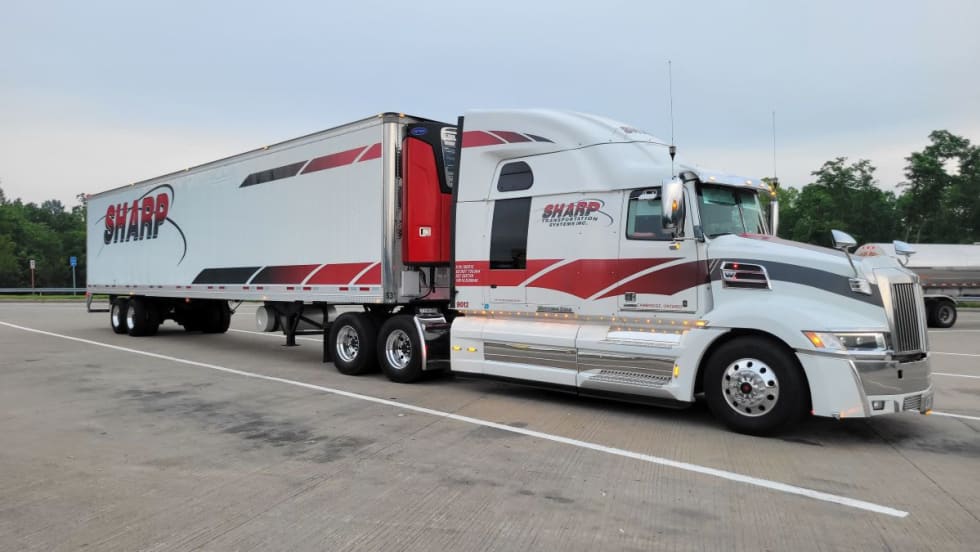
Kriska Buys Fellow Canadian Carrier Sharp Transportation Systems
Being part of KTG will allow Sharp to expand and improve its services.
Read More →
Bill in House Would Raise Minimum Insurance for Motor Carriers to $5 Million
The Fair Compensation for Truck Crash Victims Act would increase insurance requirements for interstate motor carriers by nearly seven times.
Read More →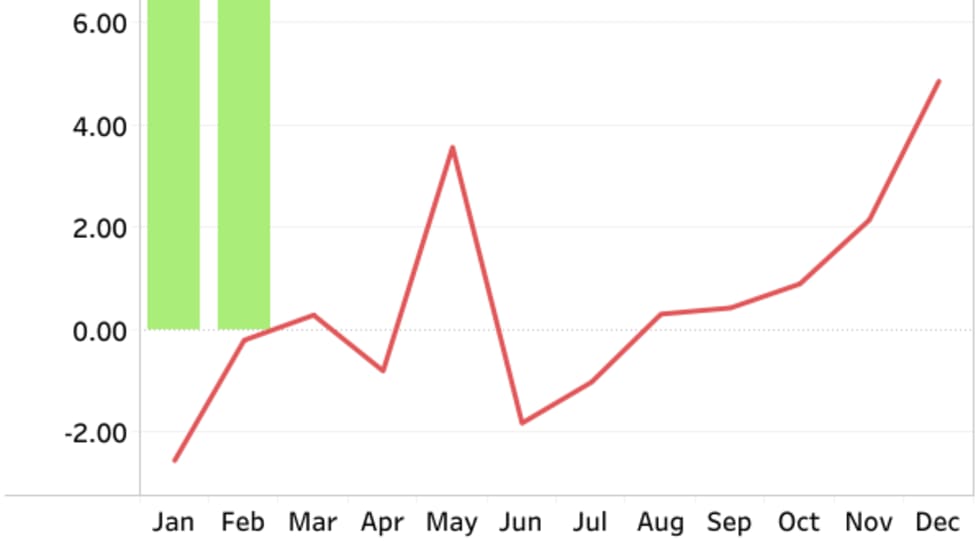
FTR Trucking Conditions Index Hits Four-Year High in February
Strong freight rates push TCI to 10.2, but FTR expects fuel-price volatility to skew March results.
Read More →
C.H. Robinson Offers Carriers Relief as Diesel Prices Surge
C.H. Robinson is waiving fees on fuel cards and cash advances for April and May, aiming to help carriers offset rising diesel costs tied to geopolitical instability.
Read More →