




Despite the current global economic slump, the future of international, intermodal transportation will be strong and vibrant in this era of globalization,
said Peter Keller, member of the board of directors of the Intermodal Transportation Institute at the University of Denver and President of NYK Line (NA).
Keller made the remarks to a Denver audience of representatives from transportation, government, and academia while delivering the keynote address at the Denver Transportation Club's 28th annual transportation forum.
"We live in a world that is truly flat, as Thomas Friedman points out so well in his recent book," Keller said. "All we need do is look at how quickly this economic downturn came upon the entire world. The growth of international transportation during the 1990s and earlier has brought the continents closer together and made us increasingly interdependent.
"Certainly we are all concerned about the current economic situation and the state of our international supply-chain community, which has seen consumer confidence wither and demand decline; but we cannot turn back the clock. Our world will continue to shrink, to flatten, and we will continue to be more interdependent. While we are in a difficult economy, we should not dismiss the distinctions between the short-, medium-, and long-term future of transportation in a global economy. International trade and transportation will flourish in the long term."
"From adversity and change come opportunity and we must be ready for the turnaround," he said. "Each business cycle increases the pace of change, so we must be prepared to accelerate our pace of improvement and accelerate our activity levels. An economic depression is the time to review our transportation processes, to remove old, marginally productive assets, and to consider how we can add additional value to the international supply chain by reducing costs and increasing efficiencies. We need to re-evaluate our service models and patterns for the future.
"Yes, the near-term economic and transportation bubbles have burst, but after the downturn, we all know there will be an upturn. We need to plan for that eventuality now. We need to continue to seek global partnerships and opportunities. In this small world, which is getting smaller everyday, many people are still concerned or scared about the global marketplace. Don't be, it is the future."
Keller pointed out that the U.S. cannot afford to become isolationists in a time of economic downturn; but rather must work cooperatively to meet the challenges of change and develop strong global leadership to meet future needs. He reminded his audience that international transportation is a "team sport" with many players and it must be treated as such if it is going to work.
Keller also pointed out that the U.S. intermodal system has become the transportation model for the world and that the container industry he represents is a bit of an economic window into the global economy as it acts as the retail sector of global intermodal transportation. "Containers move the products that we all touch throughout the international supply chain -- the goods that sit on shelves at Wal-Mart and Target; the auto parts that are needed to infuse our auto industry; the economic fuels we need when the currently eroded consumer confidence and demand return." He also pointed out there will be challenges to be met:
· Fuel prices will rise again. We must plan now rather than simply "hope" for depressed rates to continue.
· We all know the American transportation infrastructure has endemic issues that will not dissipate anytime soon. We need to continue the push for an extensive, efficient National Freight Transportation Policy.
· We need to consider the impact that the Panama Canal expansion, scheduled for 2014, will have on global trade and plan accordingly to meet the shipping demands it will create as economic normalcy returns.
· We need to consider, how with economic upheaval, our population might relocate as industries evolve, consumer demand returns, employment returns, and freight begins to flow again.
· We need to adapt to our global supply chains as they mature and evolve.
Keller: Future Bright For Intermodal
Despite the current global economic slump, the future of international, intermodal transportation will be strong and vibrant in this era of globalization
More Fleet Management

'Beyond Compliance,' Regulations, Driver Coaching on ATRI’s 2026 Research List
The American Transportation Research Institute will examine driver coaching, regulatory impacts — including the "Beyond Compliance" concept —and weather disruptions that shape trucking operations.
Read More →
Fleet Advantage's Brian Antonellis on the Growing Need to Replace Old Trucks
Fleet Advantage's Brian Antonellis says it's time for fleets to get back to the fundamentals of good maintenance practices. And that includes replacing older, inefficient equipment.
Read More →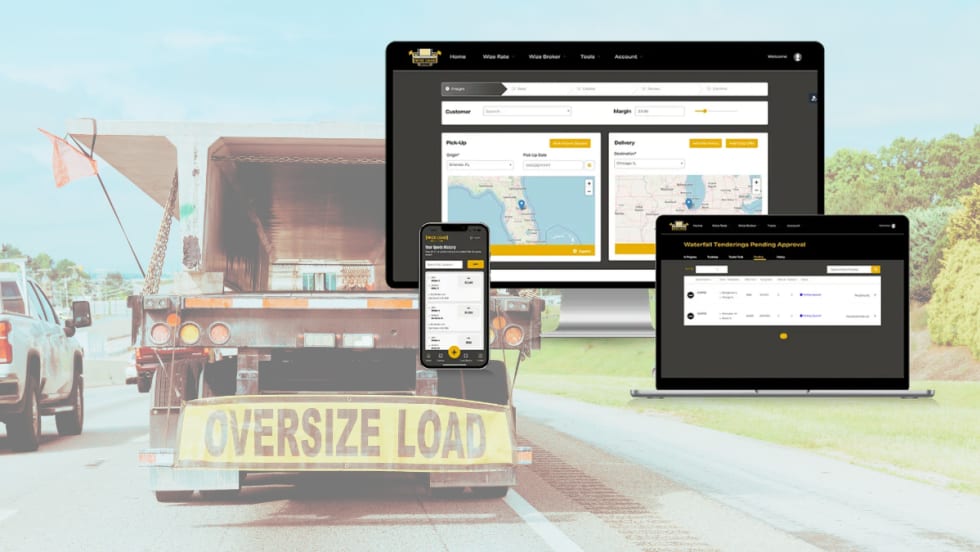
Truckstop.com Adding to Open Deck, Heavy Haul Offerings
Load matching for flatbed, lowbed, oversize and overweight loads can't be automated like basic van freight, but Truckstop.com is adding more high-tech tools to help.
Read More →
Trucker Path, Truckstop.com Expand Load Access Partnership
An expanded Trucker Path and Truckstop.com integration brings more freight opportunities into the TruckLoads app while emphasizing security and network quality.
Read More →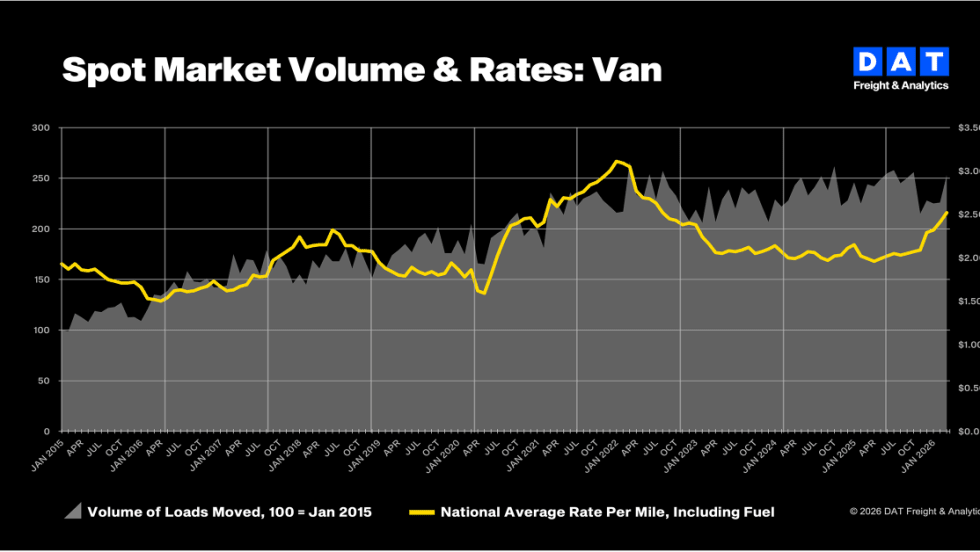
Truckload Rates Hit Two-Year Highs as Diesel Costs Surge, DAT Says
Strong March freight demand combined with a spike in fuel costs pushed both spot and contract truckload rates to their highest levels in more than two years.
Read More →
The AI Conversation You Need to Have with Your TMS Provider
Everyone’s talking about AI — but is your transportation management system actually built for it?
Read More →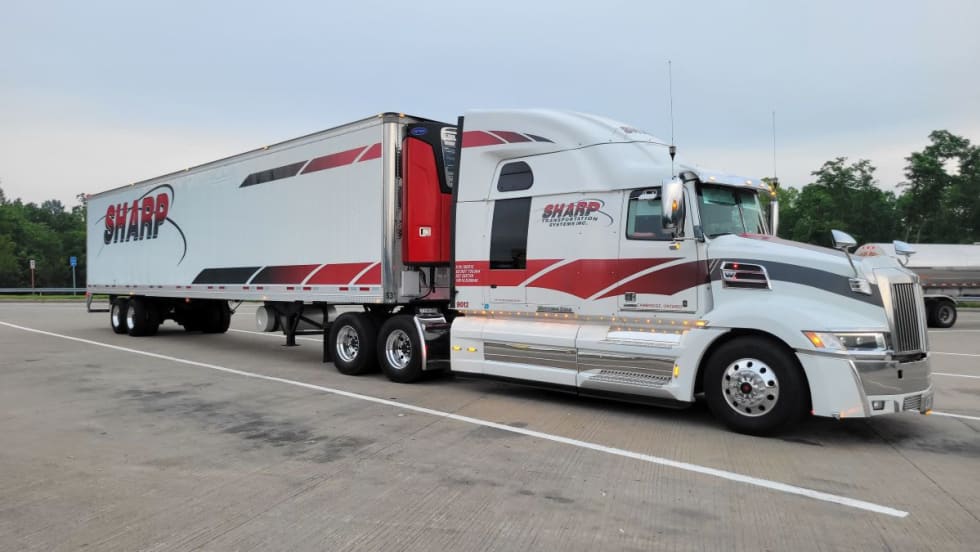
Kriska Buys Fellow Canadian Carrier Sharp Transportation Systems
Being part of KTG will allow Sharp to expand and improve its services.
Read More →
Bill in House Would Raise Minimum Insurance for Motor Carriers to $5 Million
The Fair Compensation for Truck Crash Victims Act would increase insurance requirements for interstate motor carriers by nearly seven times.
Read More →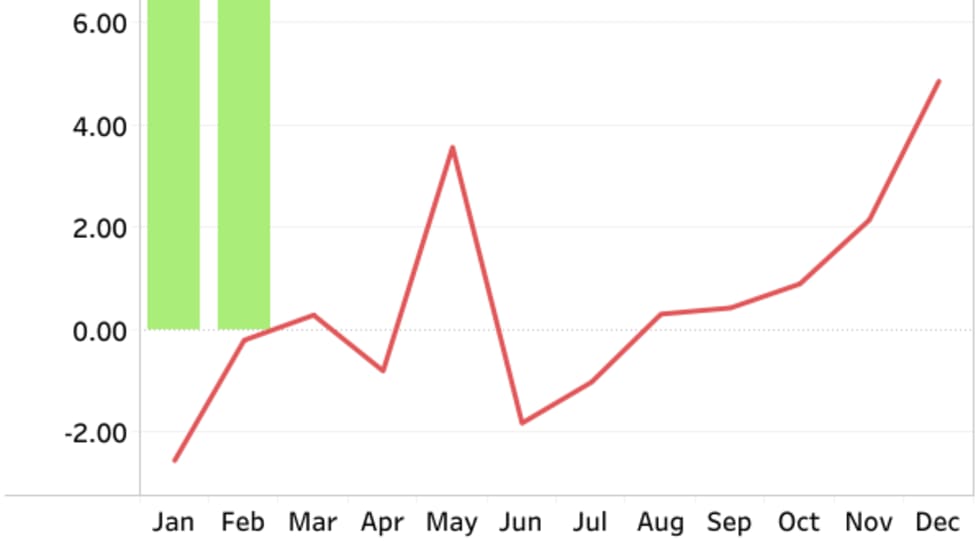
FTR Trucking Conditions Index Hits Four-Year High in February
Strong freight rates push TCI to 10.2, but FTR expects fuel-price volatility to skew March results.
Read More →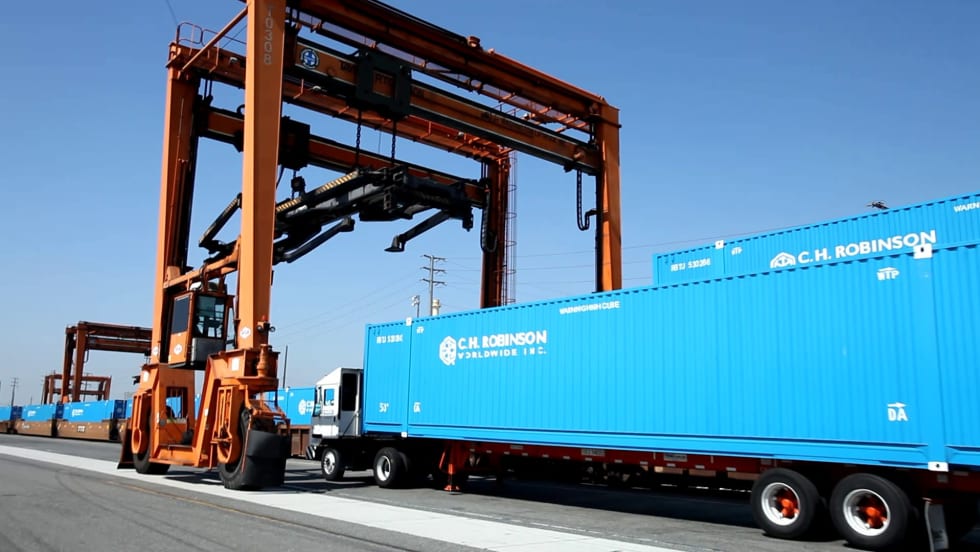
C.H. Robinson Offers Carriers Relief as Diesel Prices Surge
C.H. Robinson is waiving fees on fuel cards and cash advances for April and May, aiming to help carriers offset rising diesel costs tied to geopolitical instability.
Read More →