




An advisory panel of the National Academies of Science, Engineering, and Medicine has issued an interim report on the research it will recommend be completed before consideration is given to raising the federal 80,000-pound weight limit for trucks.
 MENU
MENU SEARCH
An advisory panel of the National Academies of Science, Engineering, and Medicine has issued an interim report on the research it will recommend be completed before consideration is given to raising the federal 80,000-pound weight limit for trucks.
An advisory panel of the National Academies of Science, Engineering, and Medicine has issued an interim report on the research it will recommend be completed before consideration is given to raising the federal 80,000-pound weight limit for trucks.
In April 2016, the Department of Transportation delivered to Congress a final report on its Comprehensive Truck Size and Weight Limits Study. The study had been mandated by the MAP-21 highway bill of 2012.
In the study report, DOT remarked that the federal government has “researched truck size and weight matters for decades, periodically producing studies to inform congressional debate on standards to advance national interests. The analysis and technical findings of this latest study add to this body of knowledge.
“What this [2016] study did not do, due in large part to the [data] limitations discussed in the body of this report, is produce definitive results in all of the required study areas or yield a sound basis for any particular set of policy changes,” DOT added.
DOT also stated that “despite recent Congressional action approving additional size and weight exceptions and waivers on a piecemeal and nationwide basis, DOT recommends a thoughtful approach to future policymaking. To make a genuine, measurable improvement in the knowledge needed for these study areas, a more robust study effort should start with the design of a research program that can identify the areas, mechanisms, and practices needed to establish new data sets and models to advance the state of practice.”
To that end, ultimately DOT asked NAS to recommend a “research plan to reduce uncertainties in estimates of the impacts of changes in truck size and weight limits.” The just-issued interim report is essentially the first stage in the research review being conducted by NAS.
According to NAS, this first report of its committee:
Summarizes research recommendations of past truck size and weight limit studies
Presents lists of candidate research problem statement topics on each of the five impact categories and on methods to evaluate alternative truck size and weight regulatory structures
Identifies criteria that the committee will take into account when deciding the priority of topics for inclusion in its research plan
The interim report lists 45 areas in all to be examined. That’ work will be completed before NAS will make recommendations on how to conduct the research deemed necessary to make an informed decision on increasing the 80,000-pound limit.
“The lists of candidate research problem statements were compiled from recommendations of past studies and other sources,” NAS said. “All of the topics refer to research to produce results that could be applied to reducing uncertainty in evaluations of changes in truck size and weight limits.”
NAS added that its committee will prepare “detailed research problem statements” for topics selected from the lists as elements of its research plan.
The long and the short of the 38-page report is to not expect any change to the federal truck weight limit to come out of DOT anytime soon.

ACT Research data shows volumes hitting a four-year high and supply-demand balance strengthening, but higher oil prices are undercutting tariff relief and tempering optimism.
Read More →
The patent-pending cargo solution integrates a digitally connected cargo door and an intelligent locking system with the TrailerHawk.AI technology platform.
Read More →
The impact of the Iran conflict extends beyond fuel costs, bringing more fraud and cybersecurity risks to the trucking industry.
Read More →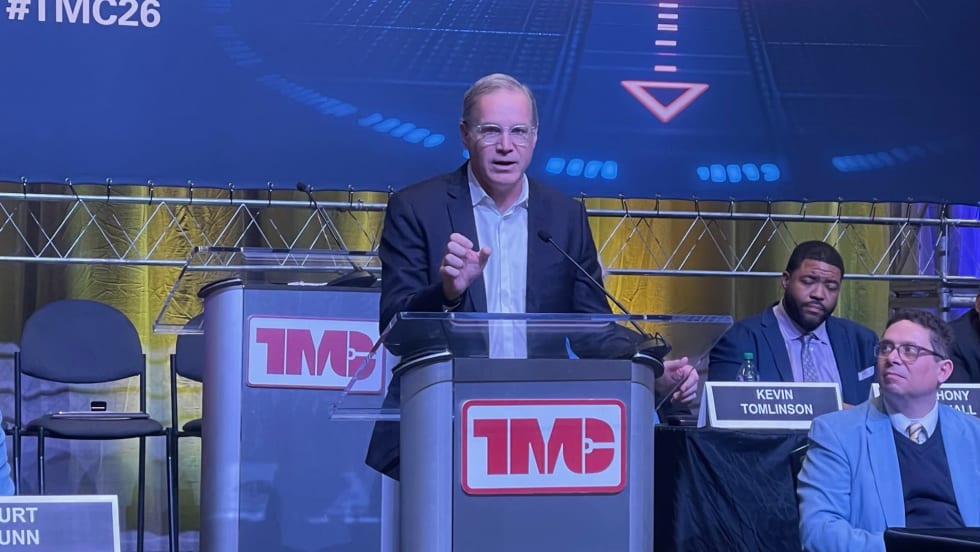
Speaking at the TMC Annual Meeting in Nashville, ATA President Chris Spear said trucking faces mounting pressure from rising fuel prices, geopolitical instability, and uncertainty around trade policy.
Read More →
More than 100,000 new trucking companies enter the industry each year, but regulators manage to audit only a fraction of them. That churn creates opportunities for inexperienced startups — and for “chameleon carriers” that shut down after safety violations and reappear under new identities. Read more from Deborah Lockridge in this commentary.
Read More →
HDTX is an intimate event that connects heavy-duty trucking fleet managers with industry suppliers through small-group discussions, educational sessions, and structured one-on-one meetings.
Read More →
New DAT One feature shows top-paying loads directly on an iPhone’s home screen, helping carriers react faster to spot-market opportunities.
Read More →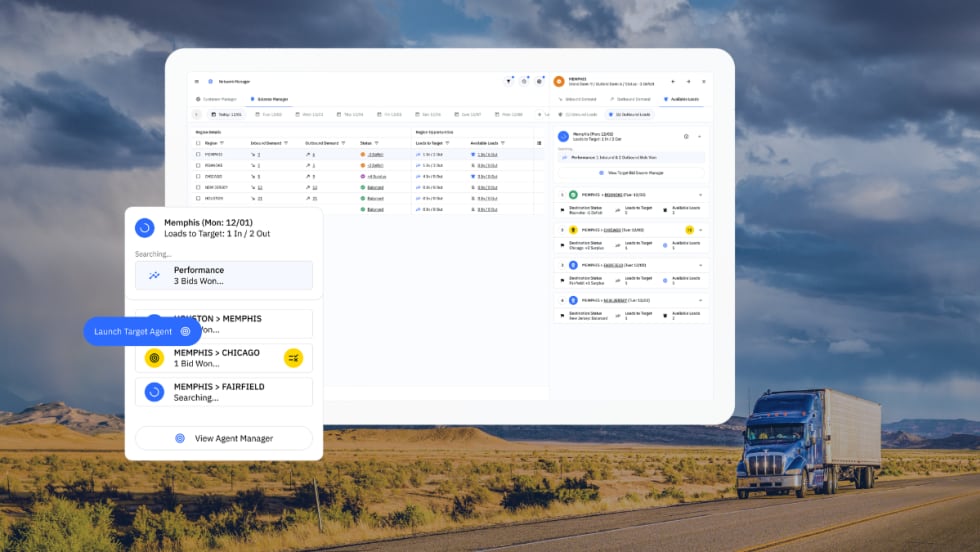
Optimal Dynamics says its new Scale platform uses AI agents and optimization to help carriers find and secure freight that improves network balance and profitability.
Read More →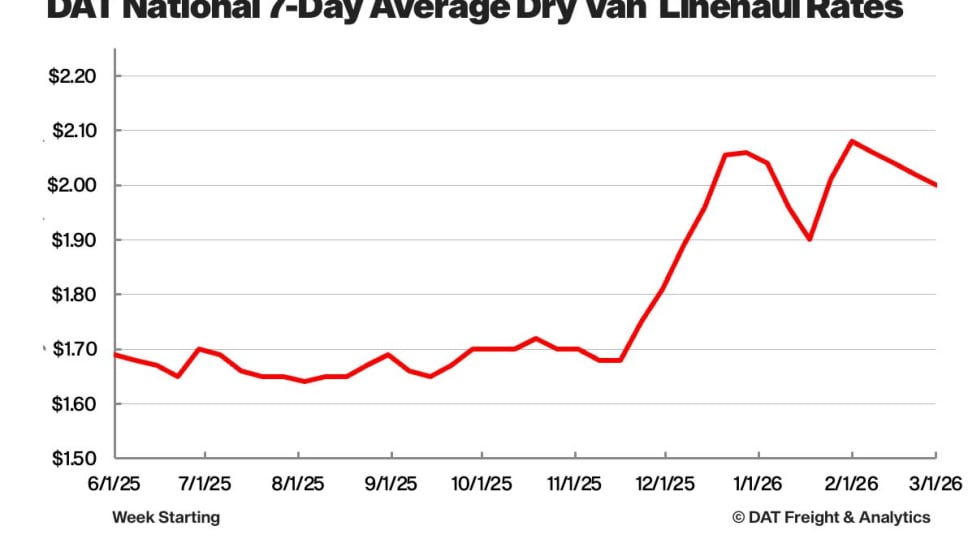
DAT Freight & Analytics data shows tightening flatbed capacity, easing produce markets, and softening van and reefer rates.
Read More →
NACFE's Run on Less - Messy Middle project demonstrates the power of data in helping to guide the future of alternative fuels and powertrains for heavy-duty trucks.
Read More →